
The growing prevalence of Endometriosis in Lesotho is raising alarm among health specialists, who warn that the condition is frequently overlooked until it reaches advanced stages.
Molumaela Lepeli, a PhD candidate, health administrator, nurse educator, community health nurse and public health specialist, said the disease has become an increasing concern across the country’s health facilities.
While public awareness has largely focused on Cervical Cancer, Lepeli cautioned that endometriosis is equally serious. It affects a significant number of adult women and, in severe cases, can lead to life-altering outcomes such as hysterectomy.
One of the biggest challenges, he noted, is that symptoms are often dismissed or misdiagnosed. The intense abdominal pain associated with the condition is frequently mistaken for hormonal imbalances, irregular menstruation, or uterine fibroids.
As a result, Lepeli urged women to take persistent pelvic pain seriously.
“The disease manifests through severe pain during menstruation and ovulation, as well as chronic lower abdominal pain that may radiate to the back. Other symptoms include pain during or after sexual activity, discomfort during urination or bowel movements, and in some cases, excessive bleeding that may have an unpleasant odour,” he said.
Beyond physical suffering, the condition can have devastating long-term consequences. Lepeli explained that endometriosis is a leading contributor to infertility. Data from the World Health Organisation (WHO) indicates that up to half of women struggling to conceive globally may have the condition.
Despite its severity, diagnosis remains complex. Lepeli said confirming the disease often requires specialised imaging or invasive procedures such as laparoscopy, where a camera is used to examine internal organs.
In Lesotho, the challenge is compounded by limited data on prevalence, making early detection even more difficult and leaving many women to endure years of untreated pain.
The financial burden further deepens the crisis. While some treatments are available locally, Lepeli said supply is extremely limited. Many patients are forced to seek medication abroad at high cost, effectively restricting proper care to those who can afford it.
He has called on the ministry of health to ensure that effective treatment is accessible nationwide, including in remote areas.
Without improved access to healthcare and early diagnosis, Lepeli warned that Lesotho risks a surge in women losing not only their quality of life but, in some cases, their lives, echoing the trajectory seen with cervical cancer.
Although the exact cause of endometriosis remains unclear, it is believed to be linked to genetic and immune system factors. Lepeli stressed that the most effective defence is awareness and early medical intervention.
According to the WHO, endometriosis affects an estimated 10 percent, around 190 million, women of reproductive age worldwide.
The organisation describes it as a chronic condition characterised by severe menstrual pain, heavy bleeding, chronic pelvic pain, infertility, abdominal bloating and nausea.
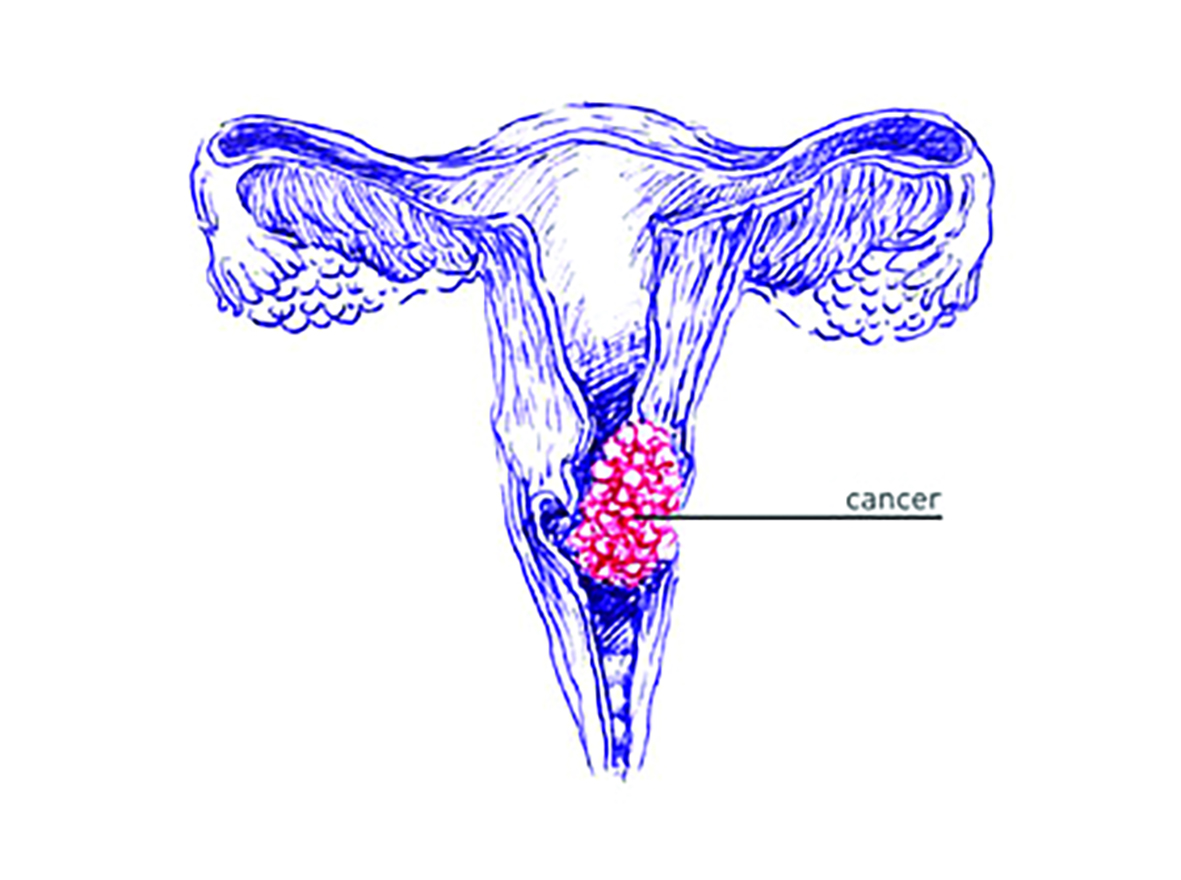
“Endometriosis most commonly occurs in the pelvis, but in some women it can occur elsewhere in the body, including the abdomen and chest. It can affect sexual intercourse, bowel movements, urination, and mental health. There is currently no cure, and access to early diagnosis and effective treatment remains limited in many settings. Treatment focuses on managing symptoms and reducing long-term impact,” the WHO states.
Summary
- The growing prevalence of Endometriosis in Lesotho is raising alarm among health specialists, who warn that the condition is frequently overlooked until it reaches advanced stages.
- Without improved access to healthcare and early diagnosis, Lepeli warned that Lesotho risks a surge in women losing not only their quality of life but, in some cases, their lives, echoing the trajectory seen with cervical cancer.
- “Endometriosis most commonly occurs in the pelvis, but in some women it can occur elsewhere in the body, including the abdomen and chest.
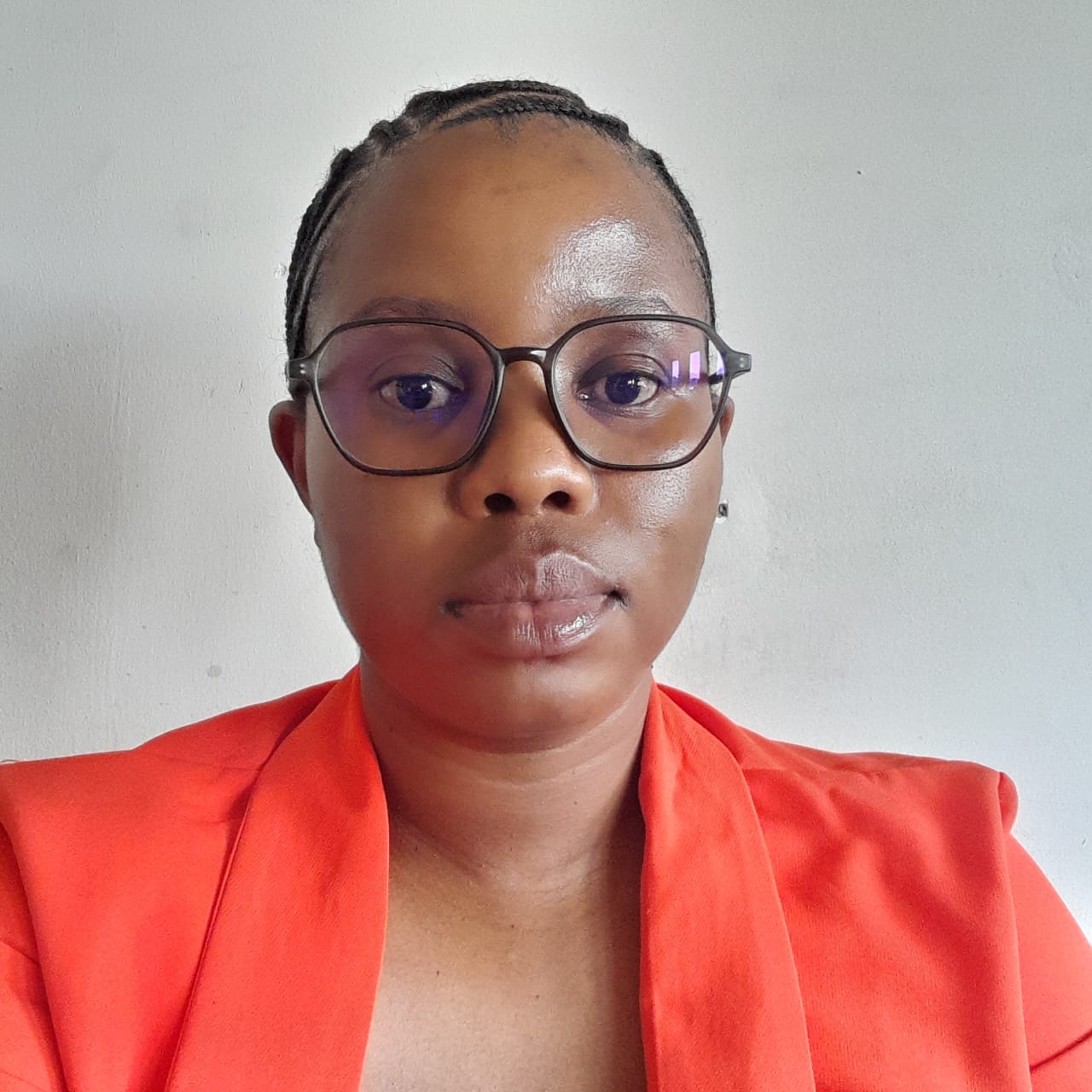
Ntsoaki Motaung is an award-winning health journalist from Lesotho, specializing in community health stories with a focus on sexual and reproductive health and rights, as well as HIV. She has contributed to platforms like “Be in the KNOW,” highlighting issues such as the exclusion of people with disabilities from HIV prevention efforts in Lesotho.
In addition to her journalism, Ntsoaki serves as the Country Coordinator for the Regional Media Action Plan Support Network (REMAPSEN). She is also a 2023 CPHIA Journalism Fellow.