
The European Union (EU) in Lesotho has unveiled €2.87 million (approximately M56.9 million) to bolster civil society organisations (CSOs) in the fight against gender-based violence (GBV) and to drive inclusion across the country.
Among the recipient organisations are GenderLinks, Sesotho Media and Development, the International Commission of Jurists (ICJ), and Catholic Relief Services (CRS).
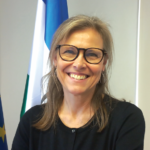
Speaking at this week’s handover ceremony, EU Head of Delegation Mette Sunnergren expressed grave concern over the persistent scourge of GBV in Lesotho.
“Sexual offences and crimes resulting from gender-based violence remain alarmingly persistent,” Sunnergren said. “We recognise the imperative to continuously address GBV—from prevention and prosecution to providing comprehensive support for survivors.”
Citing the OECD Lesotho Country Profiles, she highlighted that at least 40% of women aged 15–49 have experienced physical or sexual violence by a current or former partner at least once in their lifetime.
“Ending GBV and promoting gender parity is a shared goal with the Government of Lesotho, civil society, and international partners. Joint campaigns like the 16 Days of Activism are vital, and we warmly welcome initiatives that bolster sector coordination,” she added.
Sunnergren further stressed the EU’s commitment to strengthening public institutions, including the judiciary, the office of the Director of Public Prosecutions, and the legal aid unit, through initiatives such as the Support for the Reform and Strengthening of Governance in Lesotho.
“We are supporting communities via the work of civil society, the focus of our media brief today,” she said.
GenderLinks will spearhead the project Local Action for Gender Justice in Lesotho, covering all districts across 30 community councils. Advocate Motlatsi Mofolo, GenderLinks Interim Country Director, said the initiative includes a nationwide follow-up to the 2015 GBV Indicators Study, mapping the prevalence, patterns, and drivers of violence, including technology-facilitated abuse, emotional, and economic violence.
“The project promotes gender justice through local action to end gender violence and empower women. Beneficiaries include women, girls, youth, persons with disabilities, LGBTIQ+ persons, and even herd boys,” Mofolo said.
Sesotho Media and Development will implement Transforming Gender Norms and Strengthening Domestic Violence Laws for Inclusive Protection Across Lesotho, a 36-month programme launched in September. Thakane Sello of Sesotho Media and Development said the project seeks to ensure the Counter Violence Act, 2022, is effectively implemented and widely known, particularly in hard-to-reach communities.
Catholic Relief Services will lead Strengthening Public Participation Towards Inclusive and Climate Smart WASH and Clean Energy Developments in Lesotho, aiming to empower CSOs, community-based organisations, and local structures to influence and monitor equitable WASH and clean energy policies. Ntone Tšehlana stressed the urgency.
“The country is continuously facing gaps in access to safe water, sanitation, and clean energy, especially in rural areas. Our goal is to ensure communities are meaningfully involved in shaping and monitoring these policies.”
The International Commission of Jurists, partnering with the People’s Matrix and Seinoli Legal Centre, will roll out Reform for Inclusion, Support and Empowerment (RISE) from July 2025 to June 2027. Lerato Caroline Khutlang highlighted that the programme targets persistent discrimination and sexual and gender-based violence (SGBV) against women and LGBTIQ+ individuals, aiming to strengthen CSOs to influence legal reforms and promote women’s land and property rights.
“The programme will also produce a comprehensive report on challenges to accountability for GBV against women and LGBTIQ+ persons in four districts,” Khutlang said.
Through this €2.87 million investment, the EU aims to empower civil society as a frontline driver of change, promoting inclusion, justice, and accountability in Lesotho’s ongoing battle against gender-based violence.
Summary
- Sunnergren further stressed the EU’s commitment to strengthening public institutions, including the judiciary, the office of the Director of Public Prosecutions, and the legal aid unit, through initiatives such as the Support for the Reform and Strengthening of Governance in Lesotho.
- Advocate Motlatsi Mofolo, GenderLinks Interim Country Director, said the initiative includes a nationwide follow-up to the 2015 GBV Indicators Study, mapping the prevalence, patterns, and drivers of violence, including technology-facilitated abuse, emotional, and economic violence.
- Lerato Caroline Khutlang highlighted that the programme targets persistent discrimination and sexual and gender-based violence (SGBV) against women and LGBTIQ+ individuals, aiming to strengthen CSOs to influence legal reforms and promote women’s land and property rights.
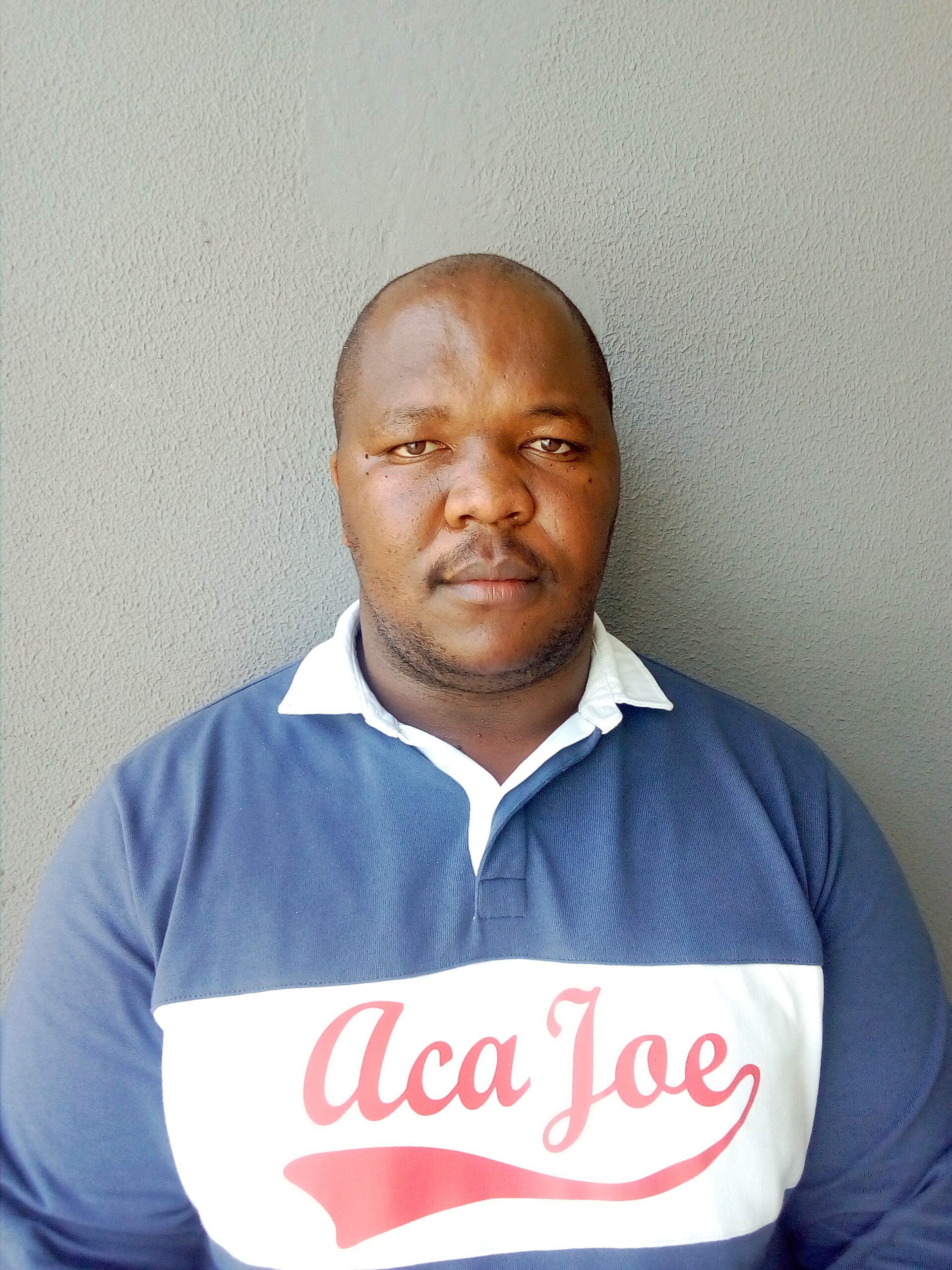
Thoboloko Ntšonyane is a dedicated journalist who has contributed to various publications. He focuses on parliament, climate change, human rights, sexual and reproductive health rights (SRHR), health, business and court reports. His work inspires change, triggers dialogue and also promote transparency in a society.