
For many queer and gender-diverse people growing up in Southern Africa, the phrase “coming home” can feel complicated. Home is not always a physical place. Too often, it carries memories of hiding who you are, watching what you say, or bracing for rejection.
On Friday, 18 September 2026, the queer-led Unlocking Love Foundation (ULF) launched a 40-page resource that aims to change that reality, starting from within.
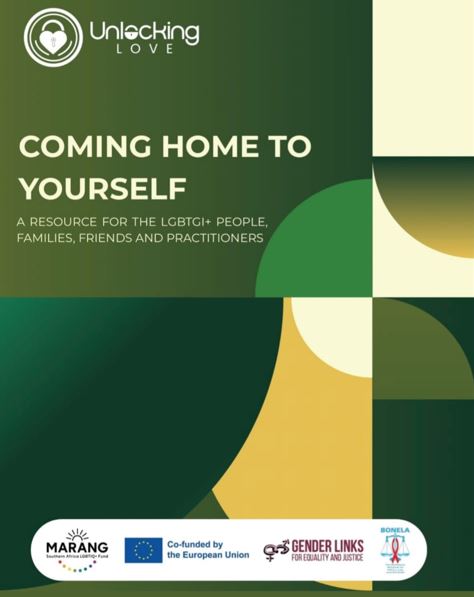
Titled Coming Home to Yourself: A Resource for LGBTQ+ People, Families, Friends, and Practitioners, the free publication is neither a dry clinical manual nor a rigid rulebook. Instead, it reads like a compassionate, validating map created by the community, for the community.
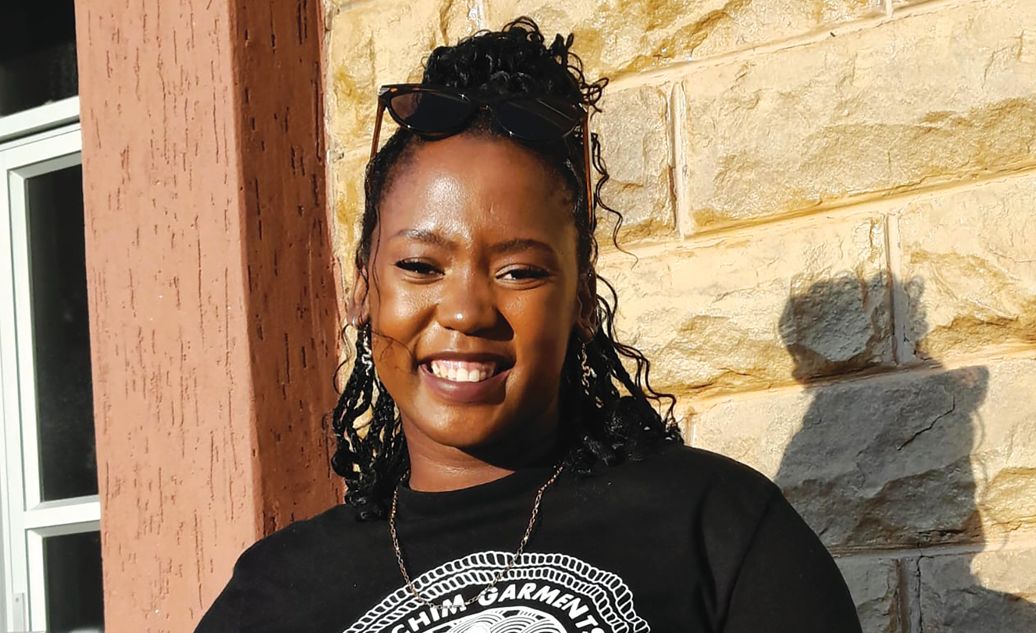
According to ULF founder Irene Nchephe, the resource is deeply relatable to queer people because it speaks directly to minority stress: the heavy, ongoing strain of navigating microaggressions, hypervigilance, and societal rejection.
The booklet names a truth many LGBTQ+ people feel but rarely see written down. The anxiety, shame, or exhaustion you feel does not mean there is something wrong with your identity. It is an adaptive response to living in spaces that were not built to protect you.
“This booklet was developed with the recognition that access to safe, affirming, and accessible information is an important part of building healthier and more empowered communities,” said Nchephe.
Author Khopotso Mochaba designed the guide so that readers do not have to absorb it all at once. Readers can turn directly to the section they need on any given day.
For those on an emotional rollercoaster, section 1 offers grounding exercises, such as the 3-3-3 breathing technique, along with journaling prompts on self-acceptance and safety mapping to help navigate overwhelming moments.
For those exploring love and intimacy, section 2 tackles the unspoken topics of sexual self-esteem and body image, helping queer partners build trust and release societal pressures.
For parents and friends who are trying their best, section 3 offers a gentle path toward active allyship. It helps loved ones process surprise or fear without placing that burden on their queer family member.
For therapists and care workers, section 4 equips health professionals with tools to create genuinely affirming, non-judgmental care settings.
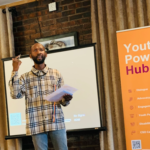
Psychologist Nkhebesoa Nqosa said the team deliberately packed the booklet with insights they wish they had had when they came out. “We have gathered our experiences and thoughts that we wish people do not go through when they come out,” Nqosa shared.
The initiative was supported by the Marang Southern African LGBTQI Fund, in partnership with the European Union in Lesotho, Gender Links Lesotho, and BONELA. It is built on a simple premise: mental health care should never be a luxury.
Gender Links Lesotho described the launch as a deeply moving reminder that behind every policy or human rights debate are real human stories that deserve compassion.
Summary
- A Resource for LGBTQ+ People, Families, Friends, and Practitioners, the free publication is neither a dry clinical manual nor a rigid rulebook.
- For those on an emotional rollercoaster, section 1 offers grounding exercises, such as the 3-3-3 breathing technique, along with journaling prompts on self-acceptance and safety mapping to help navigate overwhelming moments.
- The initiative was supported by the Marang Southern African LGBTQI Fund, in partnership with the European Union in Lesotho, Gender Links Lesotho, and BONELA.
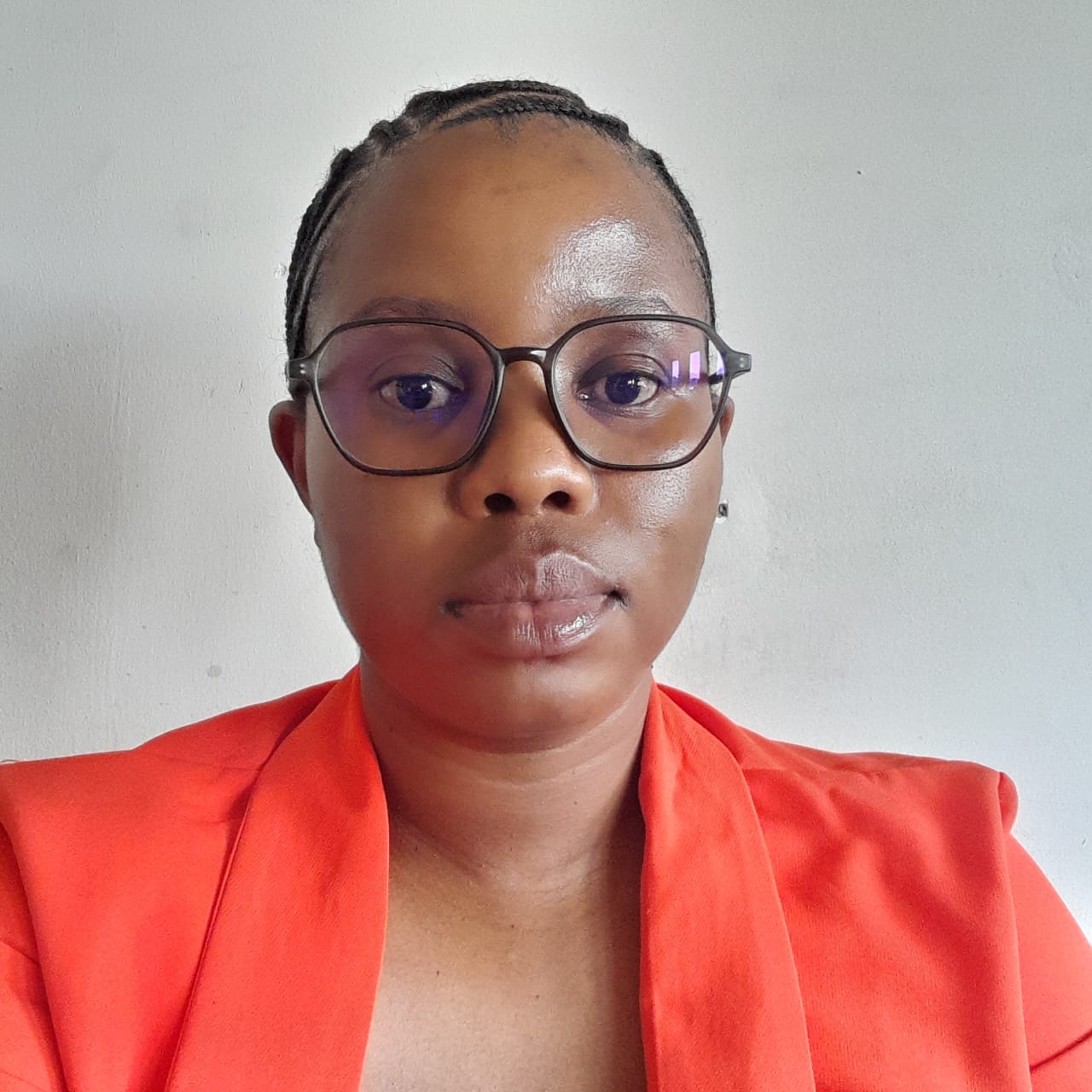
Ntsoaki Motaung is an award-winning health journalist from Lesotho, specializing in community health stories with a focus on sexual and reproductive health and rights, as well as HIV. She has contributed to platforms like “Be in the KNOW,” highlighting issues such as the exclusion of people with disabilities from HIV prevention efforts in Lesotho.
In addition to her journalism, Ntsoaki serves as the Country Coordinator for the Regional Media Action Plan Support Network (REMAPSEN). She is also a 2023 CPHIA Journalism Fellow.