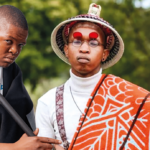

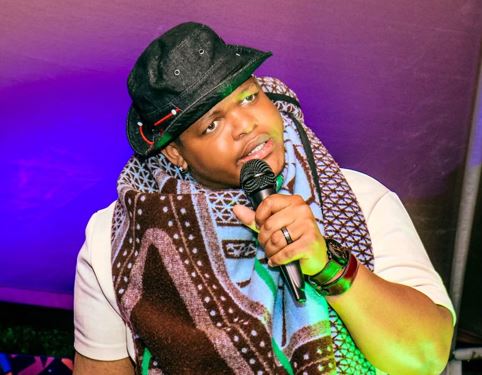
Lesotho musician Relebohile Monaphathi, popularly known as Sannere, has admitted that he did not seek permission before incorporating the voice of a young Eswatini boy, Malangeni Dlamini, into his song Maybe, featured on his recently released EP, Serapeng Sa Lerato.
Speaking to Newsday, Sannere explained that he discovered the recording on TikTok while working on the song and was immediately drawn to the melody of the sound the boy was making.
He said he subsequently discussed incorporating the recording with his producer, but neither of them attempted to establish its ownership or obtain permission before using it.
“I came across the video on TikTok and, at the time, I was working on the song ‘Maybe’. I didn’t think much of it at the time and I liked the melody of the sound the boy was making,” Sannere said.
Asked whether he had sought permission from the child’s parents or guardians, the musician admitted that he had not.
“No. Like I said, I just liked it and we agreed with my producer to incorporate it. I didn’t approach anyone because, at the time, I had no idea who the sound belonged to,” he said.
Sannere further acknowledged that he may have suspected the voice belonged to a minor but admitted that he did not give the possibility sufficient consideration.
He explained that the emotional nature of the recording was precisely what attracted him to the sound and influenced his creative decision to include it in the song.
“I may have suspected that the owner of the voice is a minor, but I didn’t give that thought much attention. As for the vulnerable state of that sound, that is what caught my attention and created excitement in me for the song,” he said.
The admission comes after Malangeni’s family raised concerns over the use of the child’s voice without their authorisation, calling for clarity on consent, acknowledgement and the circumstances under which the recording found its way into the Lesotho-produced track.
The family has reportedly indicated that it is not seeking to incite hostility towards the musician or immediately pursue legal action, but rather wants to engage with Sannere and his management to find common ground.
Sannere confirmed that his team had since established contact with the family following their public statement, adding that discussions between the two parties are ongoing.
“Yes, after the family made a statement, my team and I reached out to them and we are currently in discussions. That’s as much as I can reveal for now, but we are talking,” he said.
On the question of possible compensation, Sannere said the outcome would depend on the ongoing discussions, indicating that he was open to hearing the family’s expectations while also considering what would be mutually workable.
“I am willing to hear them, what can work for them and what can work for me as well. Any outcome to leave both parties happy,” he said.
He added that the song had only been available for five days at the time of the interview, making it too early to determine how much revenue it had generated through streaming platforms.
Meanwhile, Maybe remains available on streaming platforms as the discussions continue. Sannere expressed hope that it would remain available, although the eventual outcome may depend on the agreement reached with the family.
The incident has brought renewed attention to the ethical and legal responsibilities surrounding music sampling, particularly where recordings involving children are concerned.
While sampling remains a widely used creative technique in music production, the availability of audio recordings on social media does not automatically grant artists the right to incorporate them into commercially released music.
The matter also raises questions about the responsibility of artists and producers to establish the origins of recordings and consider consent before using material that may involve vulnerable individuals.
With discussions between Sannere’s camp and the Dlamini family reportedly underway, the outcome could provide an important lesson for artists and music producers across the region on the importance of obtaining permission and respecting the rights and dignity of individuals whose recordings become part of their creative work.
Summary
- Speaking to Newsday, Sannere explained that he discovered the recording on TikTok while working on the song and was immediately drawn to the melody of the sound the boy was making.
- I didn’t think much of it at the time and I liked the melody of the sound the boy was making,” Sannere said.
- He explained that the emotional nature of the recording was precisely what attracted him to the sound and influenced his creative decision to include it in the song.

A Professional Communications practitioner with a wealth of expertise in marketing, public speaking, communication and media relations. I believe in learning everyday and improving one’s personal and professional capabilities.
* A former journalist and radio host who is passionate about media and it’s impact on society.