
The Independent Electoral Commission (IEC) of Lesotho has reaffirmed its commitment to closer collaboration with stakeholders as it prepares for upcoming elections.
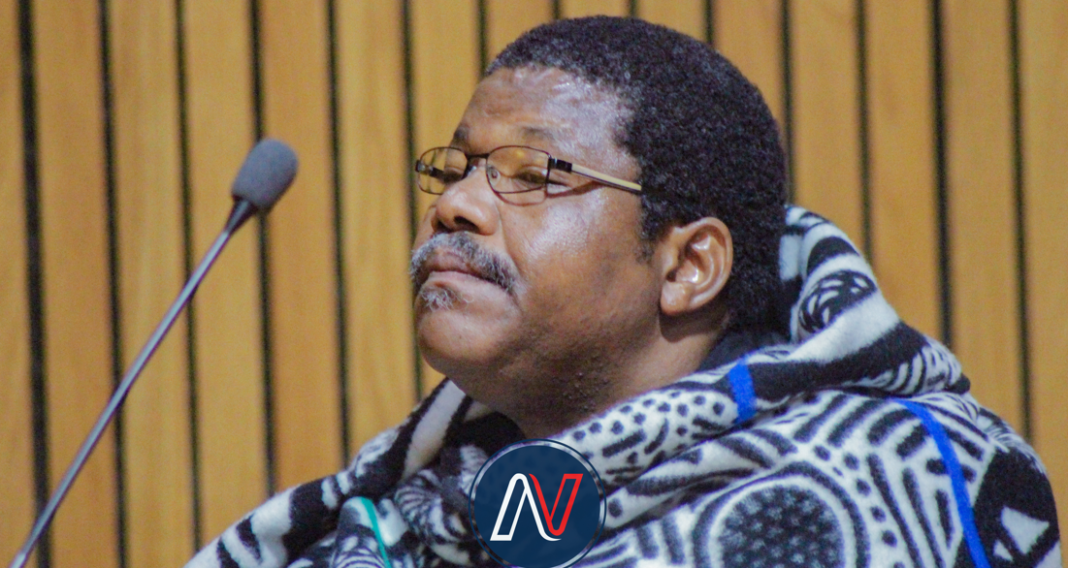
IEC Chairperson Dr John Maphephe made the remarks during a media briefing in Maseru on Tuesday. He said the Commission is actively engaging both independent and government institutions to discuss operational issues and ensure full readiness for the polls.
The meeting also introduced the newly appointed commissioners and helped build stronger partnerships ahead of the elections.
Dr Maphephe emphasised the importance of collaborating with the media, inviting journalists to share ideas on enhancing IEC operations and service delivery.
“One of our strategies is to maintain open dialogue and an impartial approach in our work with media institutions,” he said.
The Chairperson noted ongoing cooperation with the Media Institute of Southern Africa Lesotho (MISA Lesotho) to fight misinformation, especially during election periods.
He appealed to journalists to maintain high professional standards in their reporting, while assuring them that the IEC will uphold its constitutional mandate to manage elections fairly and respect the media’s independent role as a watchdog.
To boost public engagement, the IEC plans to expand voter education efforts. Dr Maphephe proposed introducing independent electoral studies in secondary schools and higher learning institutions, which could also create job opportunities for Basotho youth by building expertise in a field with global demand.
Commission member Dr Chelete Monyane acknowledged low voter turnout as a key challenge, noting that the voters’ register far exceeds the number of people who actually vote.
To close this gap, the Commission intends to incorporate digital platforms into voter registration and other electoral processes.
“We will also change our communication approach with the media and the public by disseminating information that will motivate Basotho to participate in large numbers during elections,” Dr Monyane said.
A journalist from Moeletsi oa Basotho, Nthabeleng Seitlheko, urged the IEC to avoid favouritism in sharing information with media outlets, warning that such practices undermine trust.
She said current voter education efforts fall short, often leaving both journalists and the public confused about electoral processes.
Seitlheko called for journalist training sessions, expanded outreach programs in towns and villages, and improved voter card services. She also advocated greater transparency in IEC operations, such as public briefings on staff study tours to explain their purpose and results.
To combat misinformation, she recommended reviving the practice of notifying the media when new political parties register, allowing journalists to better track and scrutinise parties’ campaign promises.
Summary
- He said the Commission is actively engaging both independent and government institutions to discuss operational issues and ensure full readiness for the polls.
- “One of our strategies is to maintain open dialogue and an impartial approach in our work with media institutions,” he said.
- He appealed to journalists to maintain high professional standards in their reporting, while assuring them that the IEC will uphold its constitutional mandate to manage elections fairly and respect the media’s independent role as a watchdog.

Seabata Mahao is a general news reporter with special focus on Business and Sports. Started working at Newsday in 2021. Working in a team with a shared goal is what I enjoy most and that gives me the motivation to work under any environment leading to growth.