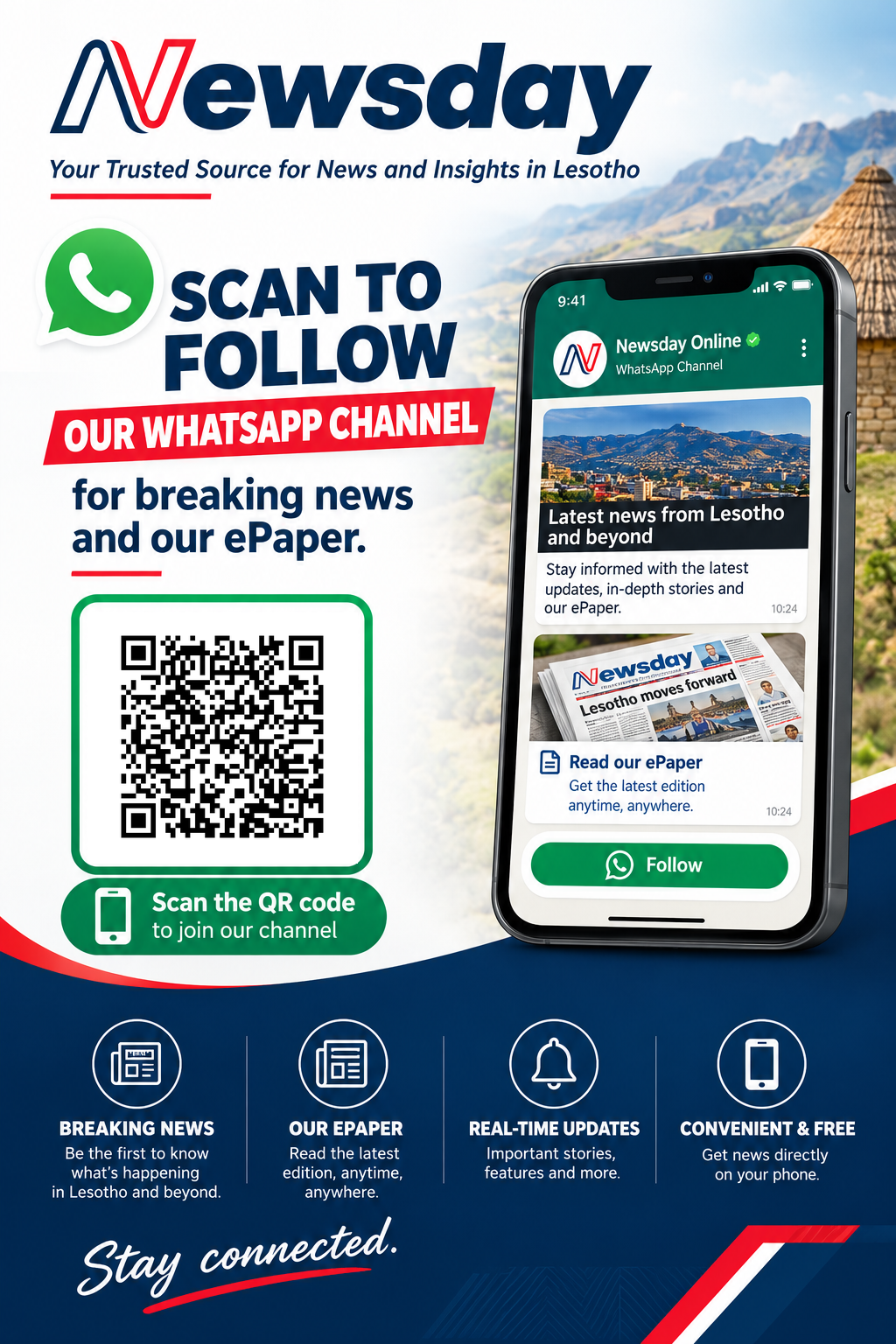
Welcome to Newsday Media – Your Trusted Source for News and Insights in Lesotho!
At Newsday Media, we are passionate about delivering accurate, timely, and engaging news and multimedia content to our diverse audience. Founded with the vision of revolutionizing the media landscape in Lesotho, we have grown into a leading hybrid media company that blends traditional journalism with innovative digital platforms.
Our mission is simple: to inform, inspire, and empower our readers by providing comprehensive coverage of local and global events, current affairs, and cultural happenings. Whether you’re looking for breaking news, in-depth analysis, or captivating storytelling, Newsday Media is your go-to destination for all things news-related.
With a dedicated team of journalists, editors, and multimedia experts, we are committed to upholding the highest standards of journalistic integrity and professionalism. We pride ourselves on delivering content that not only informs but also sparks conversation, fosters understanding, and drives positive change in our society.
From our flagship newspaper to our dynamic digital platforms, we offer a wide range of multimedia content to cater to the diverse interests and preferences of our audience. Whether you prefer to stay informed through print, online articles, videos, or podcasts, Newsday Media has something for everyone.
We believe in the power of storytelling to connect people, bridge divides, and inspire action. That’s why we’re dedicated to providing a platform for voices from all walks of life, championing diversity, inclusion, and authenticity in everything we do.
Thank you for visiting Newsday Media. We invite you to explore our website, engage with our content, and join us on our journey to inform, inspire, and empower our community. Together, let’s shape the future of media in Lesotho.
… It highlights high unemployment, widespread poverty, and stagnant growth
Staff Reporter
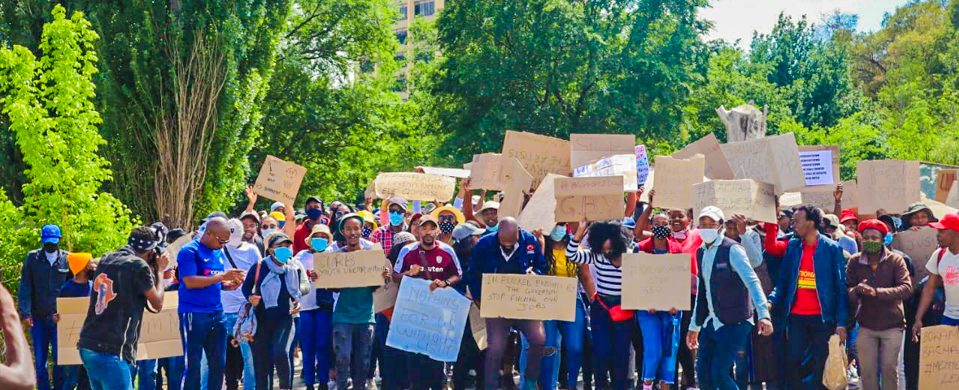
Lesotho’s economy faces significant challenges, including high unemployment, widespread poverty, and sluggish growth, according to the International Monetary Fund (IMF).
In a statement released this week, the IMF highlighted additional risks such as global economic shocks, extreme weather events, fluctuating commodity prices, and uncertain revenue from the Southern African Customs Union (SACU).
“Against this backdrop, the IMF Directors welcomed Lesotho’s commitment to strengthening policy frameworks, supported by the Fund’s capacity development as needed,” the statement said.
This followed the IMF Executive Board’s conclusion of its annual Article IV consultation with Lesotho, a process that involves assessing the country’s economic health and policy measures.
During the consultation, the IMF emphasised the need for fiscal prudence to safeguard Lesotho’s foreign exchange reserves, sustain the currency peg to the South African Rand, and preserve debt sustainability.
“Containing the public wage bill, improving spending efficiency, and prioritising social programs for the most vulnerable remain critical,” the IMF stressed.
The IMF also advised Lesotho to leverage its increased water royalties by establishing a well-governed savings framework, anchored by a credible fiscal rule, to build financial buffers and support long-term development goals.
In addition, the IMF called for strengthened public financial management (PFM). This includes the passage of PFM-related legislation, better budget processes, and improved internal controls and financial reporting.
The Directors highlighted the importance of enhancing public investment efficiency through a prioritized capital project pipeline and improved project management capacity.
Monetary policy, the IMF advised, should focus on maintaining price stability and safeguarding the currency peg. While inflation has slowed, the IMF urged authorities to monitor price trends closely and remain ready to adjust monetary policy if inflationary pressures resurface.
On financial sector stability, the IMF noted that while Lesotho’s financial sector remains stable, continued monitoring of risks, particularly from the nonbank financial sector, is necessary.
The Directors recommended updating the national financial inclusion strategy to improve financial intermediation and support private sector growth.
The IMF further encouraged structural reforms aimed at catalysing inclusive, job-rich growth by improving the business environment, strengthening governance, and reducing corruption risks.
“We applaud the authorities’ commitment to improving data quality and timeliness to support informed policymaking,” the statement added.
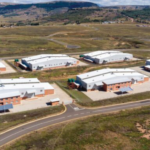
Lesotho’s economic growth picked up modestly to 2.2 percent for the 12 months ending in March 2024, up from 1.6 percent the previous year. This was largely driven by accelerated construction under the Lesotho Highlands Water Project (LHWP).
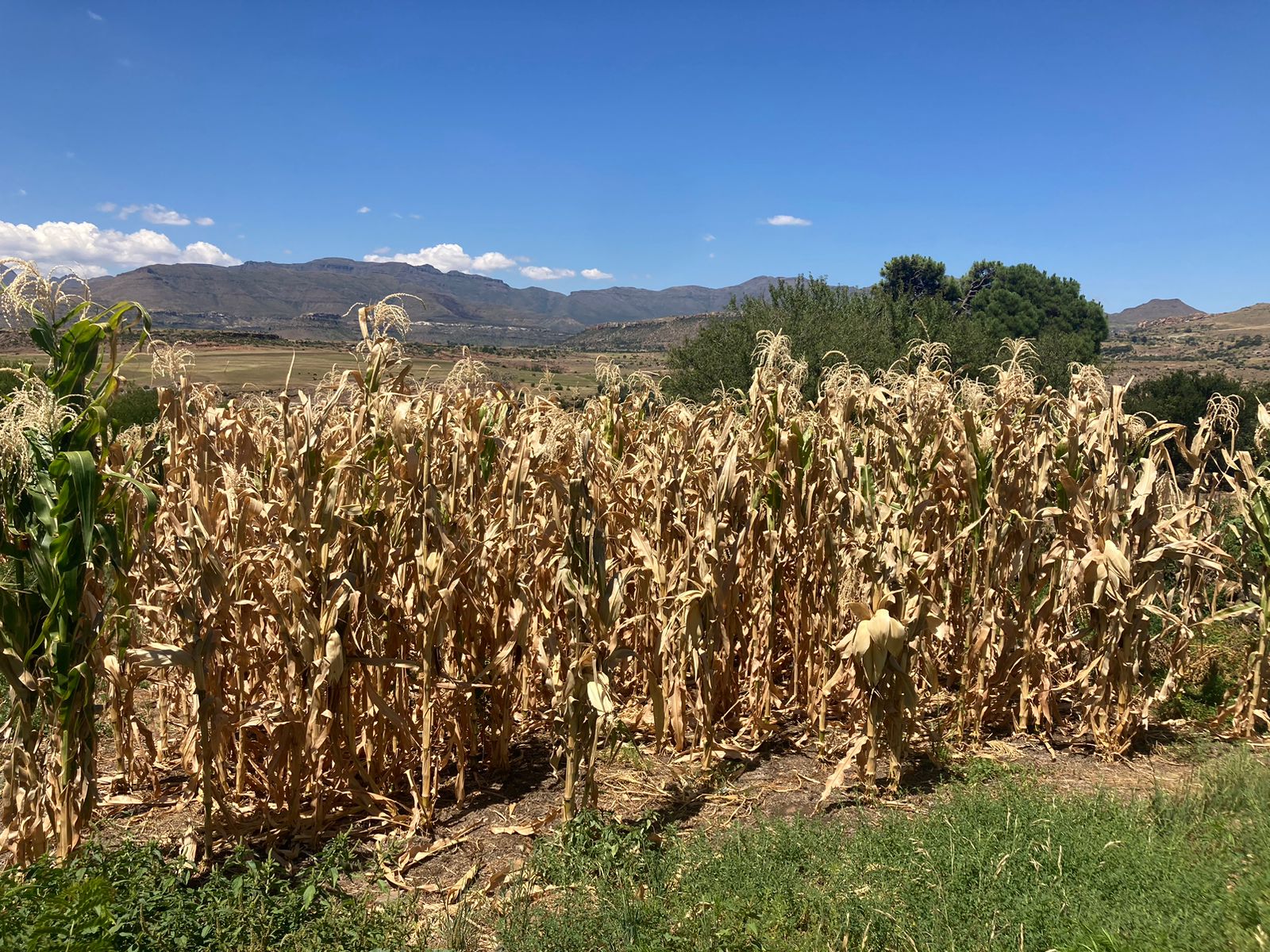
However, the IMF noted that unemployment remains high, and exports from the diamond and textile sectors have been sluggish. Additionally, the country faces food-security concerns following an exceptionally dry season.
Inflation rose to 6.5 percent in June 2024, up from 4.5 percent a year earlier, although it has eased from a peak of 8.2 percent in January 2024. The IMF attributed the increase to external factors that are expected to fade over time.
The fiscal situation has improved, with Lesotho posting a fiscal surplus of 6.1 percent of GDP for the fiscal year ending March 2024. Higher-than-expected SACU transfers (10.4 percent of GDP) were used to reduce arrears and rebuild central bank deposits, rather than increasing the public wage bill as had been done in the past.
The Central Bank of Lesotho (CBL) maintained its policy rate at 7.75 percent, in line with South Africa’s rates, to support the Loti’s peg to the Rand. Private sector credit growth increased to 12.5 percent in FY2023/24, driven largely by construction, while nonperforming loans decreased to 3.8 percent of total loans by the fourth quarter of 2023.
Looking ahead, the IMF projects economic growth to peak at 2.7 percent in FY2024/25, with inflation expected to ease gradually. Another year of elevated SACU transfers will bolster fiscal and external balances, but these transfers are expected to decrease significantly starting in FY2025/26.
The IMF noted that higher water royalties will help offset the shortfall, and the fiscal balance is projected to remain in surplus over the medium term.
“The authorities are encouraged to continue their prudent fiscal approach, ensuring that additional revenues are saved wisely and spent strategically, while pushing forward with reforms to support private sector-led growth,” the IMF said.
Summary
In a statement released this week, the IMF highlighted additional risks such as global economic shocks, extreme weather events, fluctuating commodity prices, and uncertain revenue from the Southern African Customs Union (SACU).
During the consultation, the IMF emphasised the need for fiscal prudence to safeguard Lesotho’s foreign exchange reserves, sustain the currency peg to the South African Rand, and preserve debt sustainability.
The IMF also advised Lesotho to leverage its increased water royalties by establishing a well-governed savings framework, anchored by a credible fiscal rule, to build financial buffers and support long-term development goals.
Welcome to Newsday Media – Your Trusted Source for News and Insights in Lesotho!
At Newsday Media, we are passionate about delivering accurate, timely, and engaging news and multimedia content to our diverse audience. Founded with the vision of revolutionizing the media landscape in Lesotho, we have grown into a leading hybrid media company that blends traditional journalism with innovative digital platforms.
Our mission is simple: to inform, inspire, and empower our readers by providing comprehensive coverage of local and global events, current affairs, and cultural happenings. Whether you’re looking for breaking news, in-depth analysis, or captivating storytelling, Newsday Media is your go-to destination for all things news-related.
With a dedicated team of journalists, editors, and multimedia experts, we are committed to upholding the highest standards of journalistic integrity and professionalism. We pride ourselves on delivering content that not only informs but also sparks conversation, fosters understanding, and drives positive change in our society.
From our flagship newspaper to our dynamic digital platforms, we offer a wide range of multimedia content to cater to the diverse interests and preferences of our audience. Whether you prefer to stay informed through print, online articles, videos, or podcasts, Newsday Media has something for everyone.
We believe in the power of storytelling to connect people, bridge divides, and inspire action. That’s why we’re dedicated to providing a platform for voices from all walks of life, championing diversity, inclusion, and authenticity in everything we do.
Thank you for visiting Newsday Media. We invite you to explore our website, engage with our content, and join us on our journey to inform, inspire, and empower our community. Together, let’s shape the future of media in Lesotho.
To ensure optimal experiences, we utilize technologies such as cookies to store and/or access information from your device. Granting consent to these technologies enables us to process data, including browsing habits or unique identifiers on this website. Conversely, not consenting or revoking consent may negatively impact specific features and functionalities.
Functional
Always active
The technical storage or access is strictly necessary for the legitimate purpose of enabling the use of a specific service explicitly requested by the subscriber or user, or for the sole purpose of carrying out the transmission of a communication over an electronic communications network.
Preferences
The technical storage or access is necessary for the legitimate purpose of storing preferences that are not requested by the subscriber or user.
Statistics
The technical storage or access that is used exclusively for statistical purposes.The technical storage or access that is used exclusively for anonymous statistical purposes. Without a subpoena, voluntary compliance on the part of your Internet Service Provider, or additional records from a third party, information stored or retrieved for this purpose alone cannot usually be used to identify you.
Marketing
The technical storage or access is required to create user profiles to send advertising, or to track the user on a website or across several websites for similar marketing purposes.