
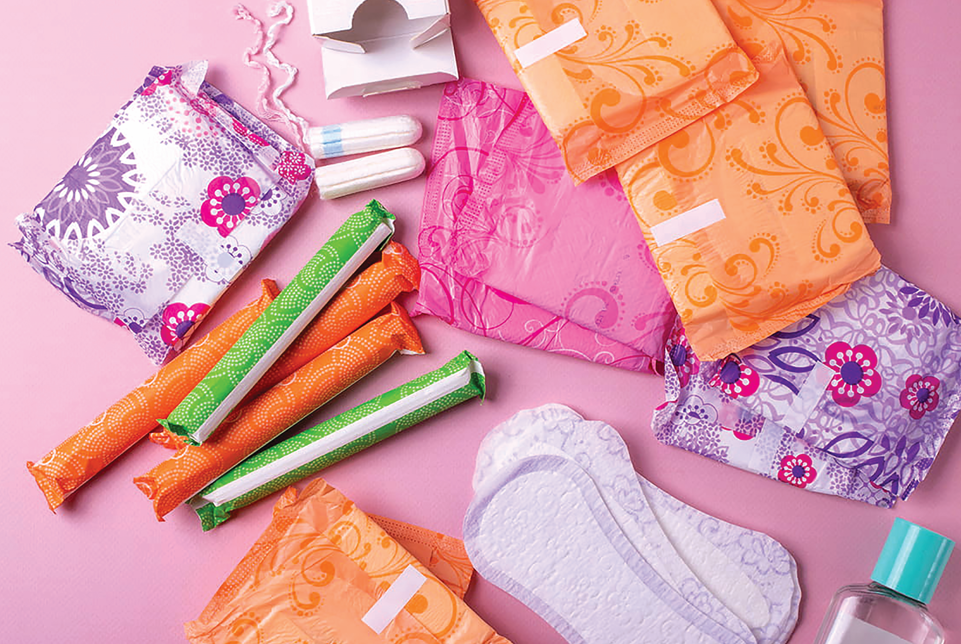
The Ministry of Health in Lesotho, through the Lesotho Medicine Regulatory Authority (LeMeRA), has issued an official public notice addressing concerns over the safety of menstrual products available in the country.
This follows a recent peer-reviewed study by researchers at the University of the Free State (UFS) in South Africa, published in Science of the Total Environment (February 2026), which detected endocrine-disrupting chemicals (EDCs) in menstrual products sold in that market.
In the notice dated February 24, 2026, the Principal Secretary for Health confirmed that LeMeRA is closely monitoring the UFS research. The Ministry noted that several of the same brands analysed in the South African study are also available in Lesotho, making the findings highly relevant to local consumers.
LeMeRA has launched its own internal review and investigation to assess the potential implications for public health in Lesotho. “The review process remains ongoing, and no final regulatory decisions have been made at this stage,” the Ministry emphasised.
The authority is collaborating with the South African Health Products Regulatory Authority (SAHPRA) to obtain further scientific data. While the investigation proceeds, the Ministry urged the public to avoid premature conclusions and assured that additional updates will be shared as new information emerges.
The UFS study, led by a team including Professor Deon Visser (Head of the Department of Chemistry), analysed 16 brands of sanitary pads and seven (or eight, per some reports) types of pantyliners commonly sold in South Africa. Every product tested contained at least two EDCs from the targeted groups: phthalates, bisphenols (including BPA), and parabens.
Key findings included bisphenols detected in 100 percent of sanitary pads and 75 percent of pantyliners, parabens found in over 80 percent of pads and 75 percent of pantyliners, and phthalates present in 100 percent of pantyliners and 50 percent of sanitary pads.
Notably, even products labeled as “organic” or “natural” contained these chemicals, likely due to migration during manufacturing, from adhesives, or from plastic packaging components.
EDCs can interfere with the body’s hormonal systems. The vaginal mucosa is highly absorbent, allowing these substances to enter the bloodstream more readily than through regular skin. Long-term, repeated exposure, common over decades of menstrual product use, may contribute to hormonal disruptions, reproductive issues such as infertility or endometriosis, and potentially elevated risks of hormone-sensitive cancers, according to expert warnings.
While LeMeRA’s investigation continues, health professionals recommend that concerned individuals consider menstrual products carrying independent safety certifications, such as OEKO-TEX Standard 100, which screens for harmful substances. Alternatives like certified organic options or reusable products may also be worth exploring, pending further official guidance from the authorities.
Summary
- The Ministry of Health in Lesotho, through the Lesotho Medicine Regulatory Authority (LeMeRA), has issued an official public notice addressing concerns over the safety of menstrual products available in the country.
- This follows a recent peer-reviewed study by researchers at the University of the Free State (UFS) in South Africa, published in Science of the Total Environment (February 2026), which detected endocrine-disrupting chemicals (EDCs) in menstrual products sold in that market.
- Key findings included bisphenols detected in 100 percent of sanitary pads and 75 percent of pantyliners, parabens found in over 80 percent of pads and 75 percent of pantyliners, and phthalates present in 100 percent of pantyliners and 50 percent of sanitary pads.

Ntsoaki Motaung is an award-winning health journalist from Lesotho, specializing in community health stories with a focus on sexual and reproductive health and rights, as well as HIV. She has contributed to platforms like “Be in the KNOW,” highlighting issues such as the exclusion of people with disabilities from HIV prevention efforts in Lesotho.
In addition to her journalism, Ntsoaki serves as the Country Coordinator for the Regional Media Action Plan Support Network (REMAPSEN). She is also a 2023 CPHIA Journalism Fellow.