
… As counter-domestic violence law remains unenforced
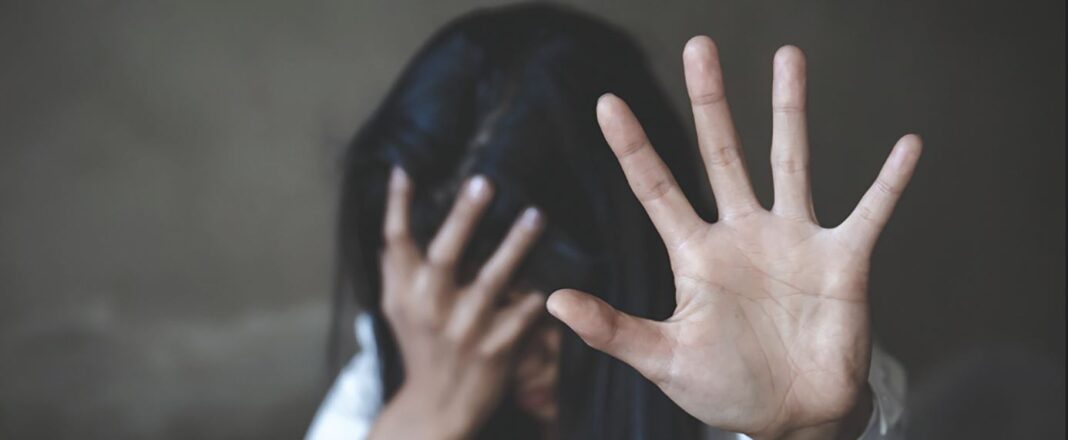
In police stations across the country, domestic violence dominates reports, Newsday has learned.
Sergeant ‘Mamorapeli Zulu of the Lesotho Mounted Police Service (LMPS)’s Child, Gender and Protection Unit (CGPU) states that on any given day, if 10 people are queuing to report cases, seven are there due to domestic violence.
The CGPU receives about 30 reported domestic violence cases every day nationwide.
“At any police station on a random day, if you pass people queuing, if they are ten, seven of them are there to report domestic violence,” Zulu said.
Despite the passage of the Counter Domestic Violence Act 2022, intended to protect victims and hold perpetrators accountable, the law has been described as ineffective in practice.
Police officers have received training and were said to be prepared to file cases, but prosecutors allegedly have refused to proceed, citing conflicts with other laws, particularly Section 27 of the Act conflicting with the Sexual Offences Act.
Sergeant Zulu explained the roadblock: “The prosecution told us that we are not able to proceed because of the reasons they had tabled; they said the law as a whole they cannot implement it, not particular sections.”
Nthabiseng Sekokotoana from the Office of Parliamentary Counsel confirmed inconsistencies and the absence of supporting regulations. Without these, key parts of the law cannot be implemented. Specialized Family Courts outlined in the Act have not been established, and funding shortages further hinder progress.
Recent data highlights the severity of gender-based violence (GBV) in Lesotho. An estimated 86 percent of Basotho women have experienced some form of GBV in their lifetime, according to multiple sources including UN Women, UNFPA, and national studies.
Lesotho ranks third globally in reported rape cases per capita and sixth in murder rates, figures higher than many countries in active conflict.
The Act was translated into Sesotho in 2023 by World Vision Lesotho to make it accessible, empowering non-English speakers to understand their rights and avoid violations.
However, due to legal contradictions and infrastructure gaps, victims often face mediation instead of prosecution, especially for forms of abuse like economic violence, stalking, or technology-facilitated abuse.
Officials expressed frustration at a recent two-day workshop in Maseru, organised by the Inter-Parliamentary Union, Parliament of Lesotho, and SADC Parliamentary Forum.
Members of Parliament (MPs), ‘Malelaka Lehohla Malakane and Mamello Phooko stressed the need for immediate action, including a three-month ultimatum to the relevant ministry to operationalise the Act.
Sekokotoana suggested identifying and implementing non-conflicting clauses right away while amending problematic sections.
‘Matau Futho Letsatsi, Director of Gender, emphasised the translation’s role in empowerment. “For those who do not know English, it affords them the opportunity to read this law in their own Sesotho language so they can avoid breaking the law,” she said.
Lebohang Mothae, Chief Executive of the National AIDS Commission (NAC), reminded participants that behind the statistics, were people. Mothae said that until the barriers prohibiting this law were addressed, those people would remain trapped in a queue, waiting for a justice that has yet to arrive.
Summary
- Sergeant ‘Mamorapeli Zulu of the Lesotho Mounted Police Service (LMPS)’s Child, Gender and Protection Unit (CGPU) states that on any given day, if 10 people are queuing to report cases, seven are there due to domestic violence.
- Despite the passage of the Counter Domestic Violence Act 2022, intended to protect victims and hold perpetrators accountable, the law has been described as ineffective in practice.
- Members of Parliament (MPs), ‘Malelaka Lehohla Malakane and Mamello Phooko stressed the need for immediate action, including a three-month ultimatum to the relevant ministry to operationalise the Act.
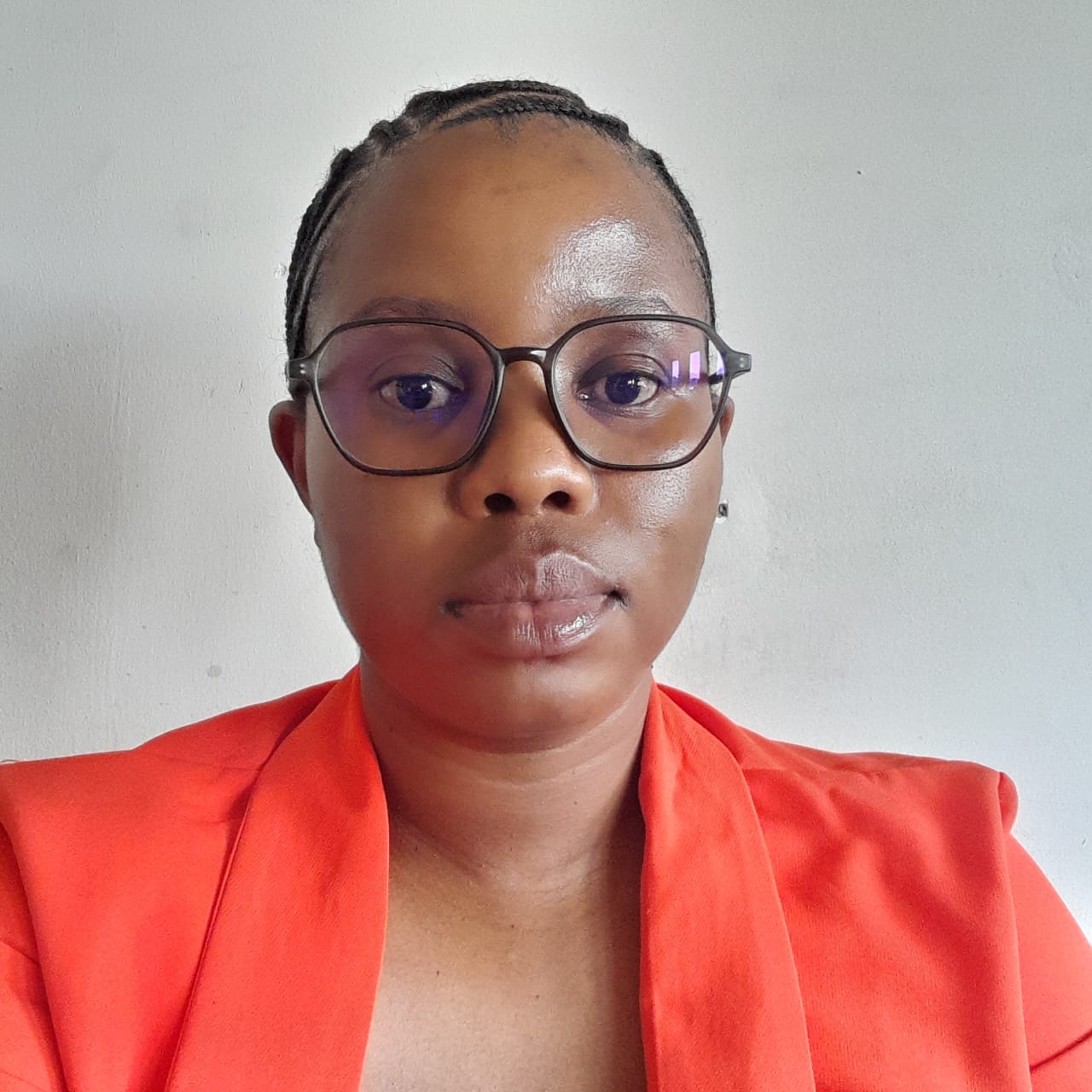
Ntsoaki Motaung is an award-winning health journalist from Lesotho, specializing in community health stories with a focus on sexual and reproductive health and rights, as well as HIV. She has contributed to platforms like “Be in the KNOW,” highlighting issues such as the exclusion of people with disabilities from HIV prevention efforts in Lesotho.
In addition to her journalism, Ntsoaki serves as the Country Coordinator for the Regional Media Action Plan Support Network (REMAPSEN). She is also a 2023 CPHIA Journalism Fellow.