
In Lesotho, the hope for a better life often starts with crossing the border into South Africa.
For one woman, whose name is withheld to protect her dignity, that crossing stemmed from the heavy burden of single motherhood after a painful divorce in 2019.
Suddenly, she was solely responsible for her child’s survival.
“After the divorce, I had to make sure my child and I survived,” she recalls.
In a country where unemployment soars, blocking many from putting food on the table, she turned to the internet for job opportunities. She found a Facebook post seeking women to work at a bar in South Africa.
The recruiters wanted more than just her. They asked her to bring two other women. The others refused to cross the border illegally, but she felt she had no choice. The desperate needs at home drowned out her fears.
“I knew how bad things were. I had to ensure my child went to bed with food. I felt I had no option, not knowing what awaited me.”
She crossed through the shadows at Van Rooyen’s Gate border post, trusting the person on the other end of her messages because they had traveled hours to pick her up. Relief came when she met the man, she felt safe because he spoke Sesotho, her language.
“On the way, I was relaxed. Nothing strange happened, and I thought if someone did not care, they would not travel so far to fetch me.”
That sense of safety was an illusion. When they arrived, her ID documents were taken “for reception protocols,” leaving her without any proof of identity. “They made sure to take any document that could identify me, saying I should leave them at reception.”
The promised bar job disappeared overnight. New men arrived, saying the owner had hired someone else. What began as grooming quickly turned violent.
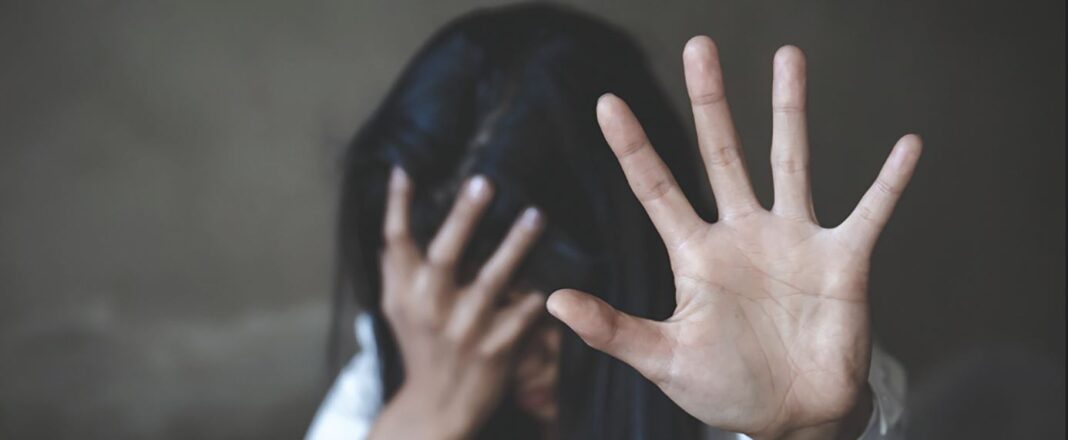
On the third day, the man who had picked her up returned with a drink laced with drugs. “I don’t know what was in it, but soon I was intoxicated. When he saw I was helpless, he let the man he came with rape me.”
This was not a job. It was six months of sexual exploitation and abuse. She soon learned she was not alone. Behind locked doors were other women with similar stories.
One, from Matelile in Mafeteng, shared that she too had been promised a job but ended up sexually exploited. The environment was filled with terror.
Refusal to comply brought death threats. “If I refused to sleep with the men they brought, they threatened to kill me, saying no one would know where I ended up.”
The horror deepened when another woman became pregnant. A botched, forced abortion led to her death, and the survivors were warned never to speak of it.
“One time, another lady got pregnant. They gave her medication to abort, but it failed, and she died. We were told never to tell anyone.”
The nightmare ended only when police raided the place. But, the rescue brought new challenges. Because they had entered illegally and had no documents, the women were deported back to Lesotho, scattered across borders, returning to the same poverty that had driven them away.
Today, this survivor is rebuilding her life with help from the Migrants Association of Lesotho (MWA-Ls) and World Vision’s Protection and Promotion of Human Rights (PPHR) project.
Instead of returning to South Africa for work, she chose to start a small business at home.
“I picked the project. I started a small spaza shop because I had already been selling fatcakes.” Her story is a stark warning. “I tell anyone looking for a job: get help from trusted people, and tell many about where you’re going.”
Lerato Nkhetše, Executive Director of MWA-Ls, said the association supports trafficking survivors by welcoming them back to their families, connecting them to counseling, authorities, small income projects, or organisations like World Vision.
He noted that trafficking is a major concern in Lesotho. Many Basotho are trafficked to South Africa, men for illegal mining and construction, women for domestic work, salons, or sex work.
“People must beware of unregistered and unregulated recruitment agencies, especially those sending them to South Africa.”
Nkhetše added that the government was taking steps but not enough. He said there is no dedicated budget for awareness, survivor support funds, or a legal recruitment centre.
This personal story reflects a broader regional crisis. Economic vulnerability drives many into the hands of traffickers.
The 2025 U.S. Trafficking in Persons (TIP) Report kept Lesotho on Tier 2 (making significant efforts but not fully meeting minimum standards), while South Africa was downgraded to Tier 2 Watch List due to concerns like decreased victim identifications and official complicity at borders.
The UNODC Global Report on Trafficking in Persons highlights that sex trafficking remains the most detected form globally (affecting about 61 percent of victims), but forced labour is rising.
In Southern Africa, Basotho men face exploitation in illegal mining, while women are lured into domestic servitude or sex work. Social media platforms like Facebook and WhatsApp have become key recruitment tools, over 50 percent of documented cases in the region in recent years started with fraudulent online job posts.
Lesotho’s main legal framework is the Anti-Trafficking in Persons Act No. 1 of 2011, strengthened by amendments (including in 2021) to fully criminalise all forms of trafficking, including sex trafficking.
Penalties reach up to 25 years’ imprisonment (or life for child trafficking). The law includes protections like non-prosecution of victims for crimes committed under duress (e.g., illegal border crossing) and safe harbour provisions.
The recent Labour Act of 2024 targets fraudulent recruitment by requiring agency licensing and allowing inspections of private homes for domestic labour cases. Lesotho is party to key international agreements, including the UN Palermo Protocol (which standardises the definition of trafficking: act, means, purpose), the ILO conventions on ending modern slavery, and the SADC Protocol on Gender and Development, which addresses cross-border trafficking risks for women.
High rates of gender-based violence (affecting nearly 86 percent of women in their lifetime) and HIV (around 25 percent) make divorced or traumatised women especially vulnerable to promises of a fresh start.
Summary
- She crossed through the shadows at Van Rooyen’s Gate border post, trusting the person on the other end of her messages because they had traveled hours to pick her up.
- When he saw I was helpless, he let the man he came with rape me.
- “If I refused to sleep with the men they brought, they threatened to kill me, saying no one would know where I ended up.
Ntsoaki Motaung is an award-winning health journalist from Lesotho, specializing in community health stories with a focus on sexual and reproductive health and rights, as well as HIV. She has contributed to platforms like “Be in the KNOW,” highlighting issues such as the exclusion of people with disabilities from HIV prevention efforts in Lesotho.
In addition to her journalism, Ntsoaki serves as the Country Coordinator for the Regional Media Action Plan Support Network (REMAPSEN). She is also a 2023 CPHIA Journalism Fellow.