
Cancer patients in Lesotho continue to face long delays in diagnosis and treatment, largely due to backlogs at district facilities, broken diagnostic equipment and limited local treatment options, health professionals have warned.
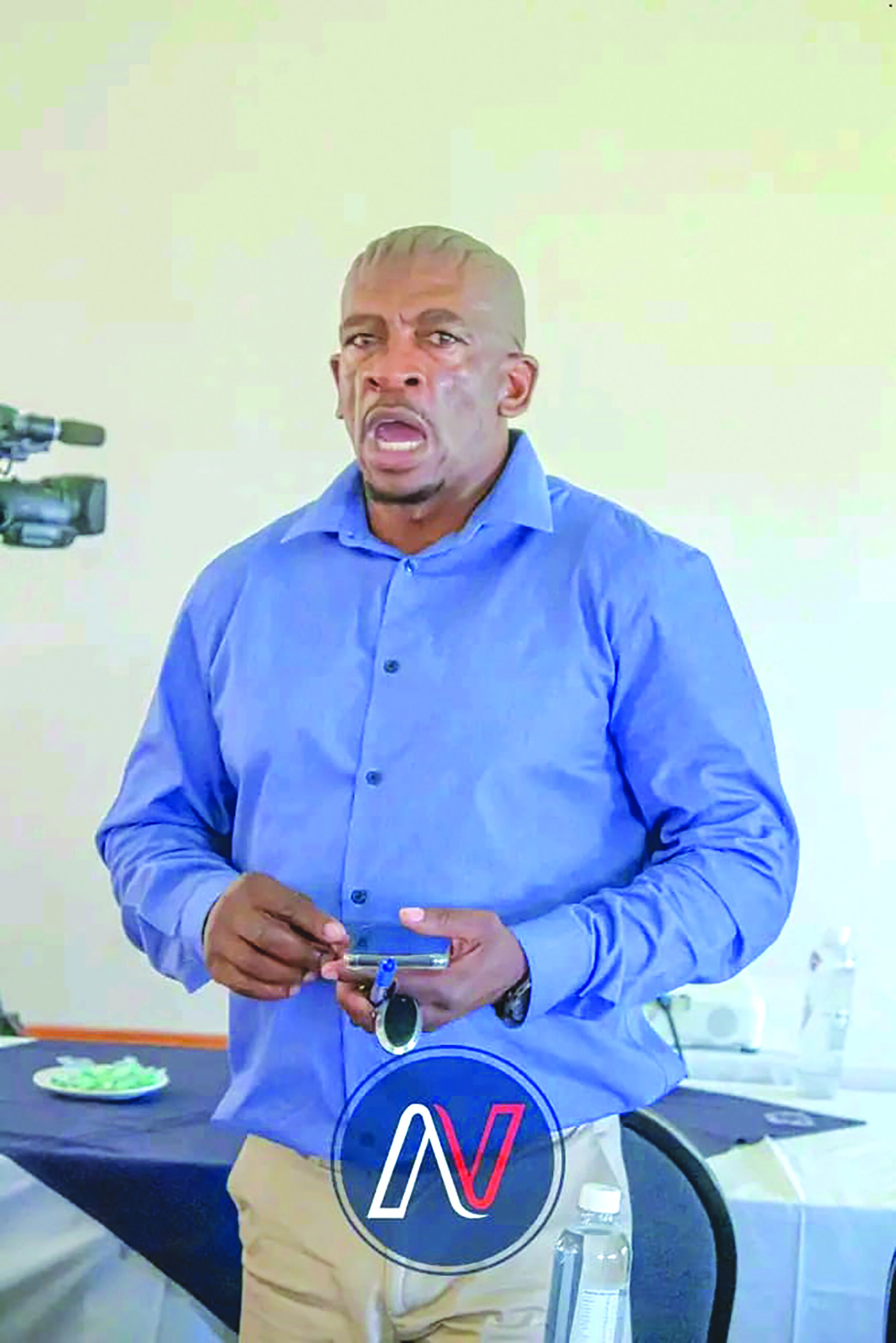
Clinical Radiation Oncologist Dr Kabelo Mputsoe says delays at district hospitals are directly contributing to late-stage cancer cases seen at the national oncology clinic.
“The situation at the district level reflects what we eventually see at the national oncology clinic,” Mputsoe said. “The biggest challenge facing Lesotho is delays at every level of care.”
Patients often wait months for test results after initial screening. Mputsoe said patients screened in November 2025 are only being confirmed as cancer cases in early 2026 due to laboratory backlogs.
“Because of these delays, we are unable to get a real-time picture of the cancer burden in the country,” she said.
On average, patients wait about four months to begin treatment after being referred from district facilities. Diagnostic capacity remains limited, with key equipment out of service. At Maseru District Hospital, the telepathology system is non-functional due to a broken tissue processor, while access to CT scans remains limited, slowing cancer staging.
Lesotho also relies on private laboratories for some diagnostic services. Mputsoe said delayed government payments often result in laboratories withholding results.
“This is the most frustrating part of the work,” she said.
While surgery and chemotherapy are available locally, Lesotho does not yet offer radiotherapy services. Patients requiring radiation treatment are referred to South Africa. In cases where chemotherapy and radiotherapy are required concurrently, patients are often transferred entirely to South Africa after surgery in Lesotho.
Despite these challenges, Mputsoe said there has been progress in strengthening cancer services through staffing and partnerships. In 2025, Lesotho appointed a second oncologist, ending a four-year period during which a single specialist served the country. Three more doctors currently undergoing specialised training are expected to return starting this year.
The health system has also expanded technical capacity, with two specialists in nuclear medicine and two in medical physics now in place.
International partnerships continue to support local services. The Dana-Farber Cancer Institute, through Partners In Health (PIH), provides technical mentorship and biannual in-person support visits. Bio-Ventures Global Health has trained local teams in breast cancer management, while the Mark Foundation has provided medication for leukemia patients.
At district level, the Ministry of Health has focused on training public sector health workers to improve screening and early detection. This programme, supported by the National University of Lesotho, aims to build local capacity amid fluctuating donor support.
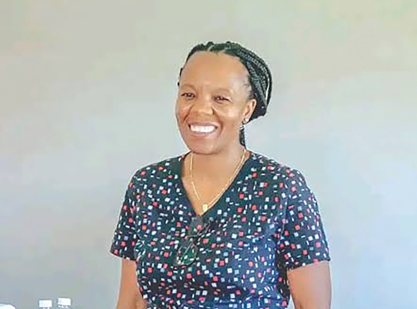
Cultural barriers also affect screening efforts. In Sehonghong, Nurse Midwife Mamokhoabo Notoane said many elderly women decline screening.
“Women aged 70 and above often believe they are no longer at risk once they stop being sexually active,” Notoane said. “Some also refuse to be examined by younger healthcare workers.”
Mputsoe said improved funding in the 2026 financial year would be critical to replacing broken equipment and speeding up diagnosis. She stressed the importance of multidisciplinary care, noting that recent training and private-sector engagements have improved coordination.
In 2025, Lesotho registered 719 cancer patients, with cervical cancer leading at 265 cases, followed by breast cancer (98), prostate cancer (97), lymphoma (18) and colon cancer (13).
She said accurate cancer mortality data remains unavailable, as many patients are treated as outpatients and deaths often go unreported.
“To get accurate mortality statistics, we would need a comprehensive study,” Mputsoe said.
Health Minister Selibe Mochoboroane has repeatedly raised concern about the rising cost of foreign treatment. He said government spending per patient increased from about M145,000 in 2015 to M220,000 in 2023. Lesotho currently spends an estimated M12 million per month, or M144 million annually, on transporting and treating patients in South Africa.
Mochoboroane is leading the construction of Lesotho’s first Comprehensive Cancer Centre, expected to be completed by 2027. The facility will offer radiotherapy services locally.
He has also acknowledged the country’s heavy reliance on foreign aid and overseas hospitals, proposing a national health insurance system to improve sustainability and support local palliative care initiatives such as the Starlight Houses of Hope.
“A fence at the edge of a cliff is always better than the ambulance at the bottom,” Mochoboroane said, emphasising prevention, early screening and diagnosis.
Cancer continues to rise as a major cause of death in Lesotho. According to GLOBOCAN data, the country recorded 2,027 new cancer cases and 1,411 deaths in 2022. Clinical records show cases increased from 625 in 2023 to 750 by early 2024.
Cervical cancer remains the leading cancer, accounting for nearly 30 percent of cases and causing an estimated 360 deaths annually. Breast and prostate cancers are also prevalent.
Despite these challenges, prevention efforts have shown success. Lesotho has achieved high Human Papillomavirus (HPV) vaccination coverage, reaching between 93 and 97 percent of girls aged 9 to 14.
Summary
- Cancer patients in Lesotho continue to face long delays in diagnosis and treatment, largely due to backlogs at district facilities, broken diagnostic equipment and limited local treatment options, health professionals have warned.
- “Because of these delays, we are unable to get a real-time picture of the cancer burden in the country,” she said.
- In 2025, Lesotho appointed a second oncologist, ending a four-year period during which a single specialist served the country.

Welcome to Newsday Media – Your Trusted Source for News and Insights in Lesotho!
At Newsday Media, we are passionate about delivering accurate, timely, and engaging news and multimedia content to our diverse audience. Founded with the vision of revolutionizing the media landscape in Lesotho, we have grown into a leading hybrid media company that blends traditional journalism with innovative digital platforms.
Our mission is simple: to inform, inspire, and empower our readers by providing comprehensive coverage of local and global events, current affairs, and cultural happenings. Whether you’re looking for breaking news, in-depth analysis, or captivating storytelling, Newsday Media is your go-to destination for all things news-related.
With a dedicated team of journalists, editors, and multimedia experts, we are committed to upholding the highest standards of journalistic integrity and professionalism. We pride ourselves on delivering content that not only informs but also sparks conversation, fosters understanding, and drives positive change in our society.
From our flagship newspaper to our dynamic digital platforms, we offer a wide range of multimedia content to cater to the diverse interests and preferences of our audience. Whether you prefer to stay informed through print, online articles, videos, or podcasts, Newsday Media has something for everyone.
We believe in the power of storytelling to connect people, bridge divides, and inspire action. That’s why we’re dedicated to providing a platform for voices from all walks of life, championing diversity, inclusion, and authenticity in everything we do.
Thank you for visiting Newsday Media. We invite you to explore our website, engage with our content, and join us on our journey to inform, inspire, and empower our community. Together, let’s shape the future of media in Lesotho.