
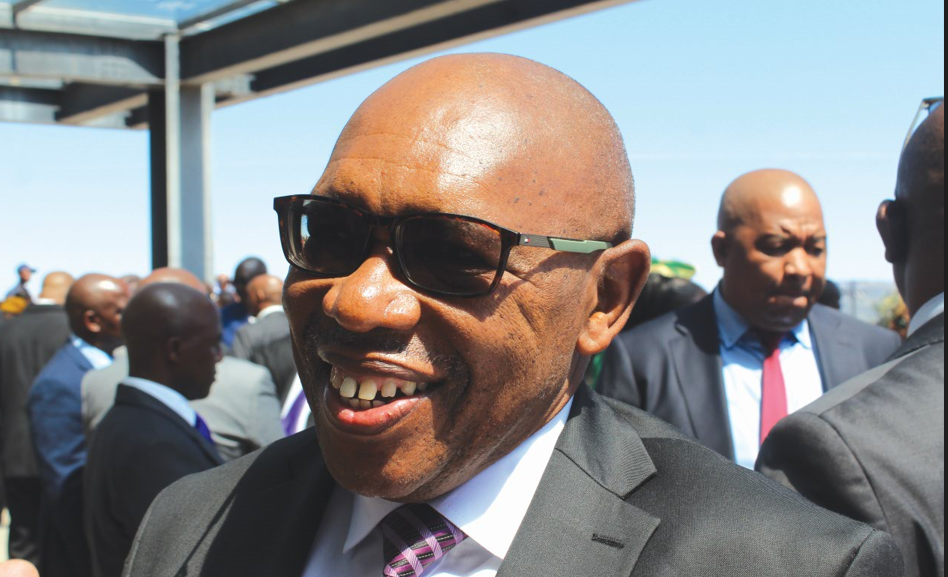
Minister of Transport and Public Works Matjato Moteane has distanced himself from claims that the government has banned seven-seater vehicles used to transport school pupils.
The clarification follows leaked information from the Road Transport Board, which operates under the ministry, suggesting a recommendation to phase out seven-seater vehicles such as the Toyota Noah and Alphard, which are commonly used for learner transport.
Moteane said the speculation has caused anxiety among school transport operators, many of whom fear losing their livelihoods. Reports circulating among operators suggest they have been given six months to replace their seven-seater vehicles with 15-seater minibuses.
Opposition leader and Basotho National Party (BNP) Member of Parliament Machesetsa Mofomobe has since written to Prime Minister Sam Matekane, urging the government to halt the proposed move.
In his letter, Mofomobe stated: “It has been officially communicated to learner transport operators that seven-seater vehicles, popularly known as Noah and Alphard, will no longer be permitted to ferry school learners. Operators have been told they have six months to replace them with 15-seater vehicles. This decision is economically reckless, socially insensitive, and politically indefensible.”
Mofomobe further called on government to engage in proper consultations and to consider compensation or transitional support for affected operators. He urged the Prime Minister to intervene immediately, suspend the directive and order a comprehensive review of the policy.
However, Newsday investigations indicate that no formal directive has been issued to learner transport operators. Operators renewing their vehicle licences have, however, reportedly been informed that this may be the last renewal for their current seven-seater vehicles.
Earlier this week, Moteane said he suspects the leaked information originated from within his office before the matter had been formally concluded.
The Road Act of 1981 established the Road Transport Board to advise the minister on matters relating to the transport industry. Moteane said he recently met with the board and requested a report on the issue, but stressed that no final decision has been taken and no timelines have been set.
He added that the vehicles in question currently comply with existing laws governing learner transport.
Under the law, vehicles with a minimum capacity of seven passengers are permitted to ferry pupils. Children between the ages of three and six are counted as one passenger for every two children, meaning a seven-seater vehicle may legally transport up to 14 learners.
Additionally, three children aged between six and 13 are counted as two passengers.
“We are thoroughly discussing an issue that has not yet reached my office for a final decision,” Moteane said.
Asked when the ministry would act on any recommendations from the board, the minister said this would depend on several factors, including the complexity of the matter and the extent of consultations required.
One learner transport operator, who asked not to be named, said the proposed changes would severely affect small operators.
She said many operators would be forced out of business, as few can afford the cost of purchasing a 15-seater vehicle. She added that learner transport businesses also support mechanics, drivers and other service providers in their communities, all of whom would be affected if operators are pushed out of the market.Top of Form
Summary
- The clarification follows leaked information from the Road Transport Board, which operates under the ministry, suggesting a recommendation to phase out seven-seater vehicles such as the Toyota Noah and Alphard, which are commonly used for learner transport.
- Moteane said he recently met with the board and requested a report on the issue, but stressed that no final decision has been taken and no timelines have been set.
- Asked when the ministry would act on any recommendations from the board, the minister said this would depend on several factors, including the complexity of the matter and the extent of consultations required.
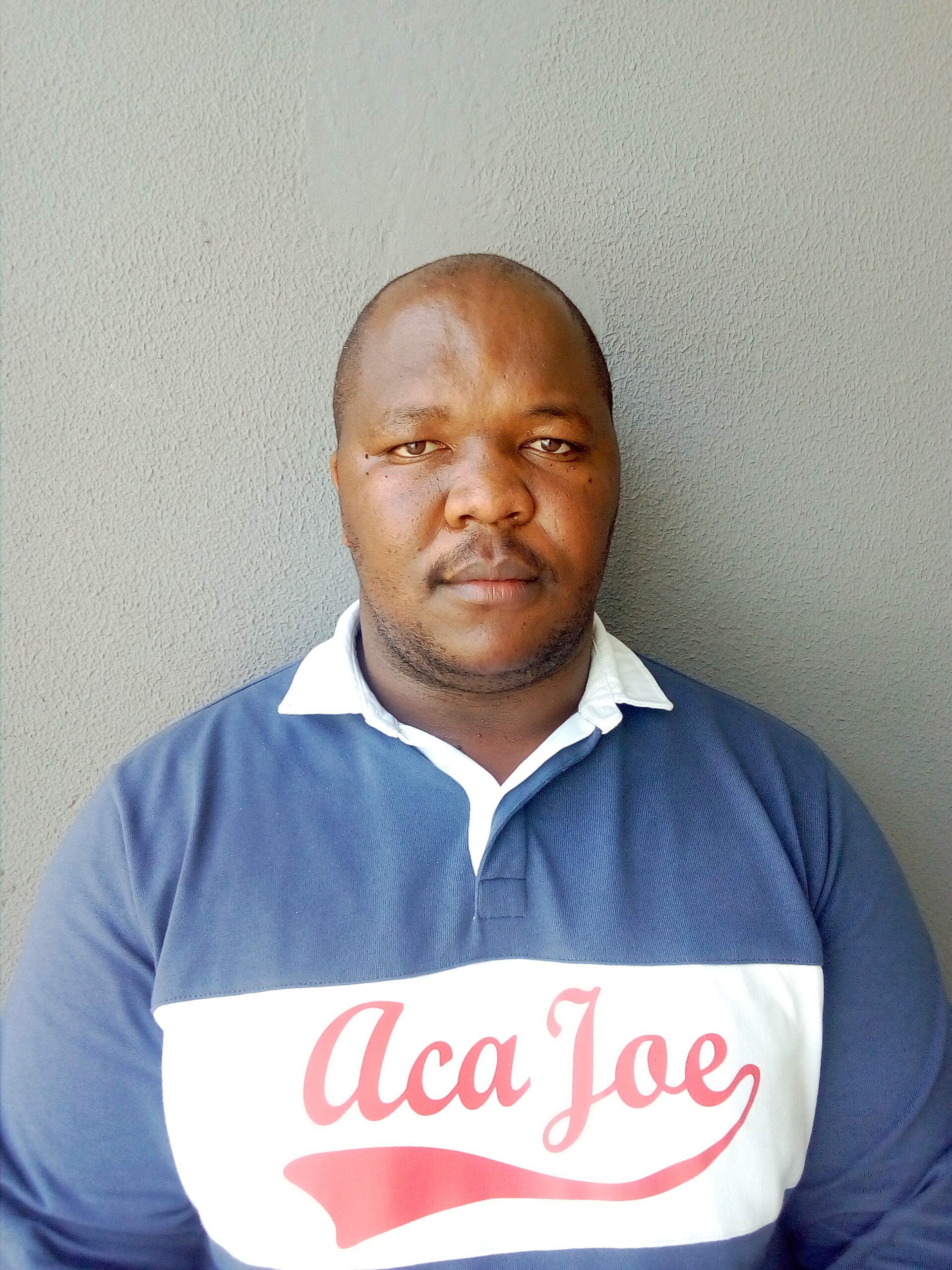
Thoboloko Ntšonyane is a dedicated journalist who has contributed to various publications. He reports on accountability, human rights, exposes corruption and wrong doing by those in power. He reports have exposed corruption, abuse of power, fraud, misconduct and negligence. He subscribes to evidence-based reporting. He reports on governance, parliament, courts, climate change, human rights, sexual and reproductive health rights (SRHR), health, business and agriculture. He gives a voice to the marginalised while also demanding accountability. His work inspires change, triggers dialogue and also promote transparency in a society.