
A new multi-country study has exposed troubling connections between alcohol consumption and gender-based violence (GBV) across four Southern African nations, with researchers warning that excessive drinking intensifies both the frequency and severity of violent incidents.
The report, titled “Examining Alcohol Availability and Gender Based Violence in Four Countries in Southern Africa: A Community-Centred Approach,” was conducted in Lesotho, Botswana, Namibia, and South Africa.
It reveals that alcohol-related harm extends far beyond individual drinkers to impact families, children, and entire communities.
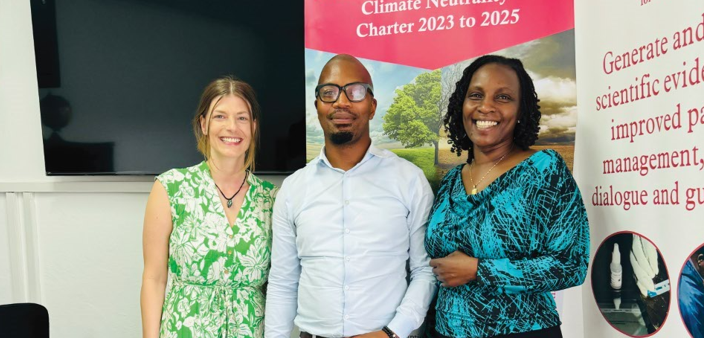
Presenting the findings this week, lead researcher Dr Janine White from the Wits School of Public Health (WSPH) emphasised that a significant share of global deaths from interpersonal violence is attributed to alcohol use. She noted that alcohol plays a distinct role in escalating conflict, particularly within homes and intimate relationships.
“While alcohol is not the root cause of GBV, it intensifies risk, increases severity, and creates environments in which violence becomes more likely,” Dr White said. “Most notably, women carry a disproportionate burden of these harms.”
The study found that children in the region begin drinking as young as 10 to 14 years old. While women and children are more vulnerable to abuse, researchers noted that men are both perpetrators and victims of GBV.
Dr White reported that the Southern Africa region faces particular challenges with alcohol consumption patterns. “The region is characterised by concentrated heavy drinking among those who drink, and this is despite the moderate consumption at the population level,” she explained.
The findings further reveal that “alcohol related harm extends well beyond individual drinkers. Families, children and [the] entire community feel effects. Alcohol contributes to preventable injuries, emotional strain, interpersonal conflict, financial pressures and neighbourhood insecurity.”
Lesotho case study reveals widespread unlicensed alcohol sales
In Lesotho, where the study focused on Lithoteng in Maseru and Ha-Mokhothu in Berea, researchers documented alarming numbers of alcohol outlets operating without proper licenses.
In Lithoteng, researchers mapped 29 alcohol outlets. Of these, only 28 percent were licensed, while 59 percent were unlicensed, and 13 percent had uncertain licensing status. Most establishments allowed both on-site and off-site consumption, with 83 percent open seven days a week. Nearly a third (28 peercent) operated until midnight, and seven percent remained open 24 hours daily.
In Berea, among 48 mapped outlets, 41 percent were licensed, 45 percent unlicensed, and 14 percent had uncertain licensing status. Approximately 60 percent operate daily, with 21 percent open 24 hours, all of which are licensed.
Tšeliso, a Lithoteng resident, expressed deep concern about outlets selling homebrewed beer and called for urgent legal reforms. He warned about young people increasingly engaging in alcohol and drug use, saying the situation is worsening.
Stakeholders across sectors agreed that without tougher policy enforcement and community action, alcohol-related GBV will continue threatening families in Lesotho.
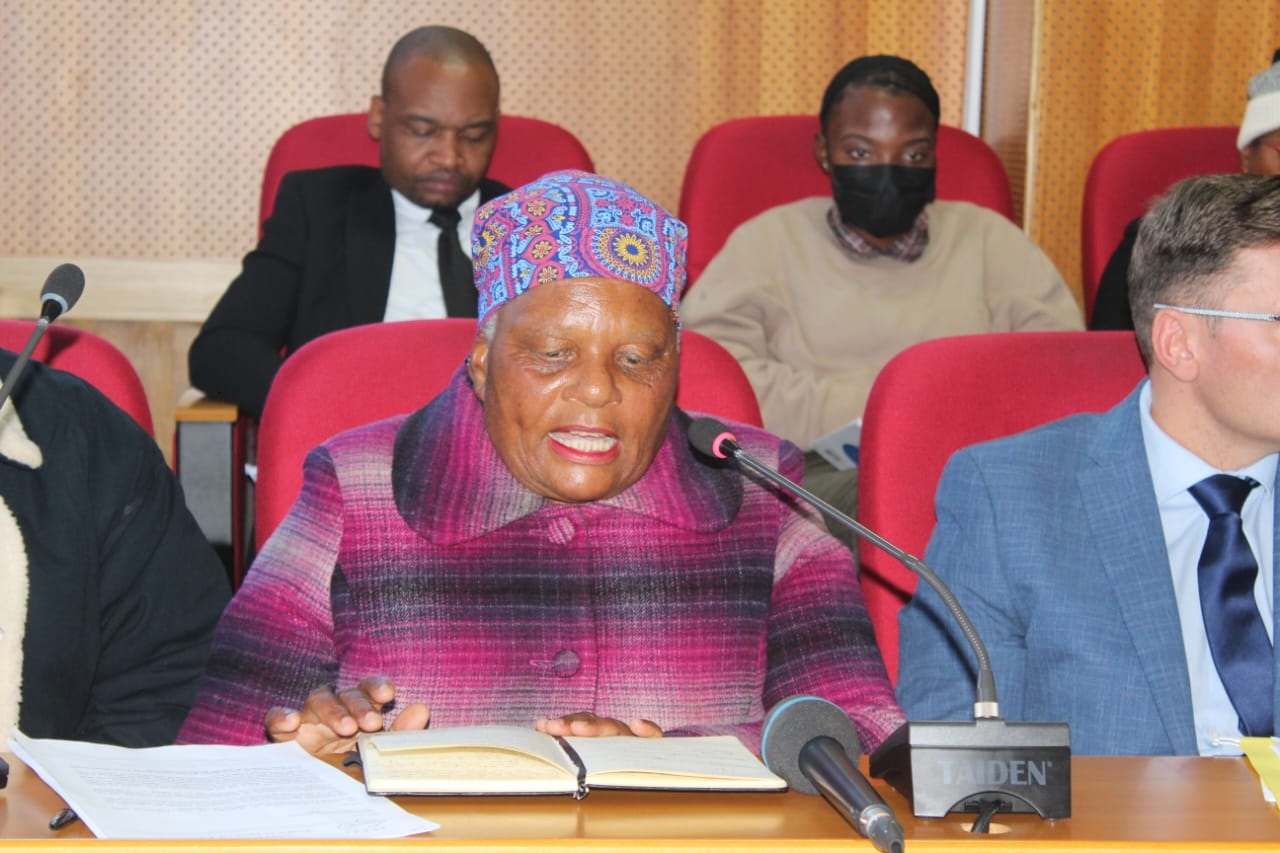
Pontšo Tumisi of Mokhosi oa ‘Mangoana stressed that fully implementing the national alcohol policy could help address these issues. “Without enforcement, communities will keep suffering from the effects of easy access to alcohol,” she said.
Member of Parliament (MP) Mamello Phooko highlighted that women and girls face particular risks from alcohol misuse. She explained that high unemployment leaves many men feeling powerless, causing some to exert harmful control over women and girls “as a misguided way of coping.”
Berea District Commanding Officer Senior Superintendent Kabelo Halala noted that the problems of alcohol abuse and GBV are more complicated than they appear. He said that while the Lesotho Mounted Police Service posts photos of people caught driving under the influence, the impact has lessened as many repeat offenders emerge and “people now treat it as a joke.”
Youth voices and community concerns
Young people also shared their perspectives on the crisis. Teboho Phomane lamented the lack of parental support for children, explaining that this often leads young people into multigenerational and transactional relationships with those who fund flashy lifestyles.
Phomane urged parents to “always be present for their children and to listen to their concerns, so they do not seek help elsewhere, which can be harmful.” He suggested that even students who struggle academically should be supported in pursuing vocational training, noting there are many opportunities in that field.
Mokhothu Makhalanyane, Chair of Parliamentary Chairpersons, expressed concern over the findings and warned of political obstacles to reform. He revealed that some alcohol outlet owners finance politicians’ campaigns and donations, “making it difficult for those in power to implement strict measures against the abuse of licenses and how these businesses operate.”
According to Afrobarometer data, 58 percent of people surveyed in Lesotho believe women face the risk of being victimised for reporting GBV incidents. Across 39 African countries, 38 percent of respondents consider GBV either “somewhat common” or “very common” in their communities.
Afrobarometer has stated that GBV poses a significant threat to the nation, affecting both development and the economy. It is recognised as a major contributor to HIV transmission in Lesotho, where the prevalence rate stands at 23.2 percent, among the highest globally, according to the 2021 UNAIDS report.
Researchers conclude that addressing alcohol availability through comprehensive policy enforcement and community engagement is essential to reducing GBV and protecting vulnerable populations across the region.
Summary
- Presenting the findings this week, lead researcher Dr Janine White from the Wits School of Public Health (WSPH) emphasised that a significant share of global deaths from interpersonal violence is attributed to alcohol use.
- In Lesotho, where the study focused on Lithoteng in Maseru and Ha-Mokhothu in Berea, researchers documented alarming numbers of alcohol outlets operating without proper licenses.
- He said that while the Lesotho Mounted Police Service posts photos of people caught driving under the influence, the impact has lessened as many repeat offenders emerge and “people now treat it as a joke.
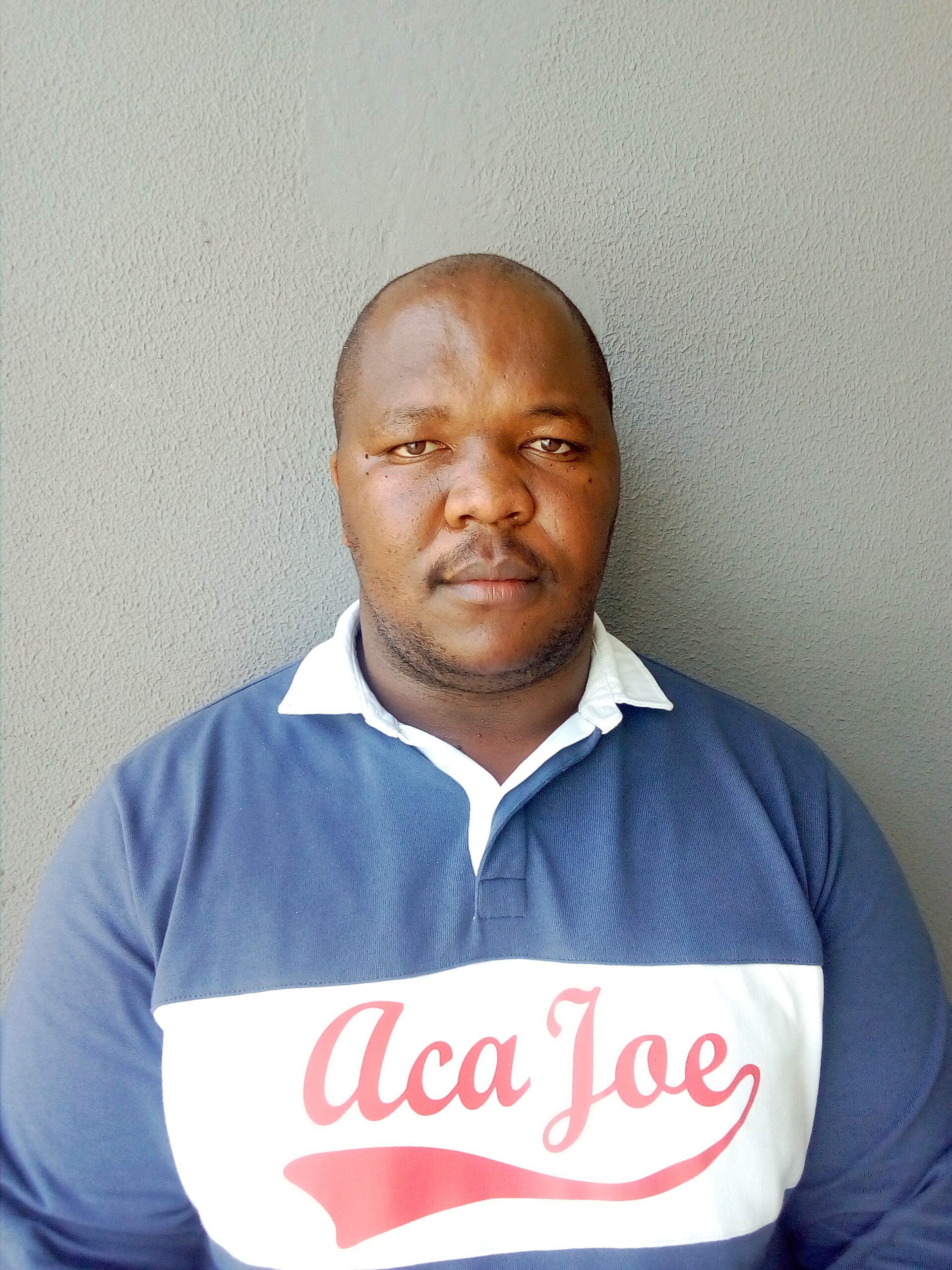
Thoboloko Ntšonyane is a dedicated journalist who has contributed to various publications. He reports on accountability, human rights, exposes corruption and wrong doing by those in power. He reports have exposed corruption, abuse of power, fraud, misconduct and negligence. He subscribes to evidence-based reporting. He reports on governance, parliament, courts, climate change, human rights, sexual and reproductive health rights (SRHR), health, business and agriculture. He gives a voice to the marginalised while also demanding accountability. His work inspires change, triggers dialogue and also promote transparency in a society.