
Refiloe Molise and Mamello Rakotsoane
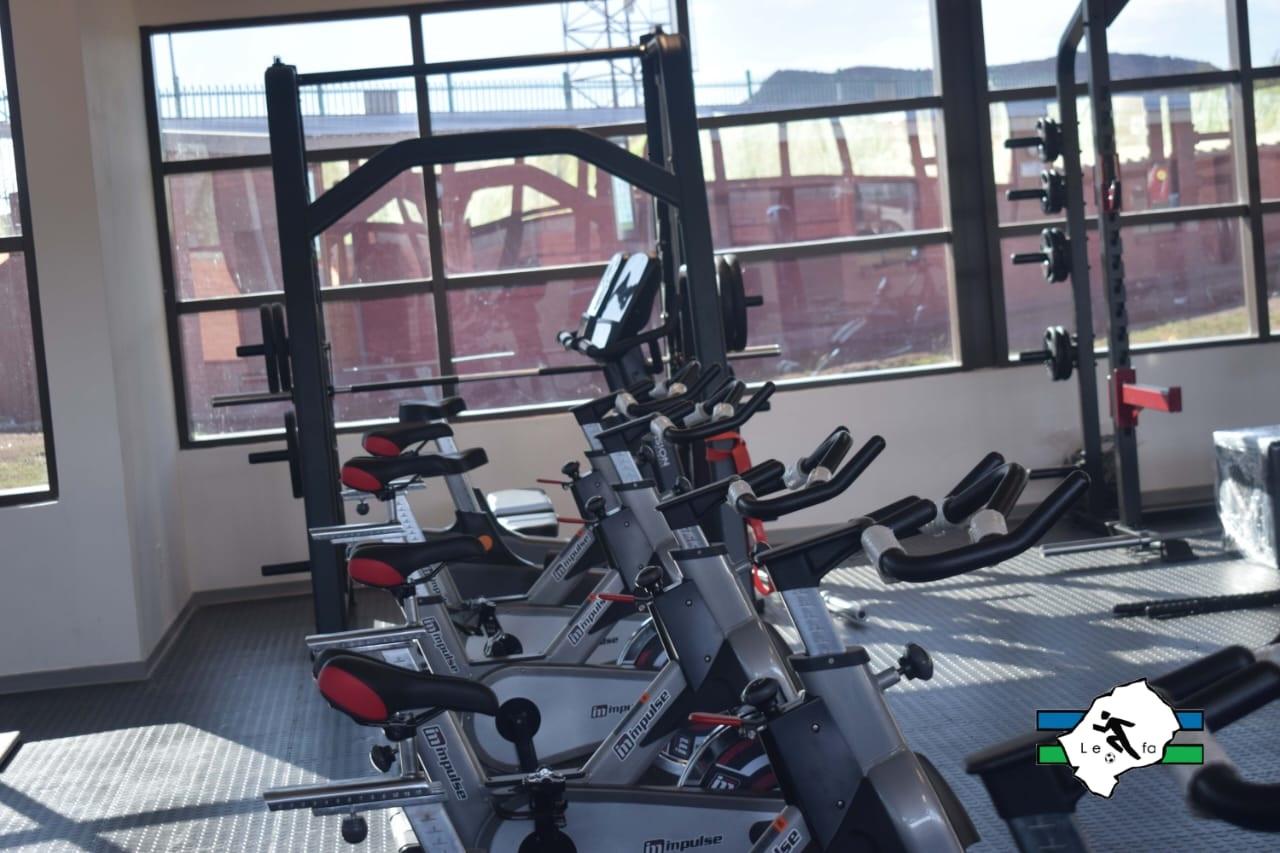
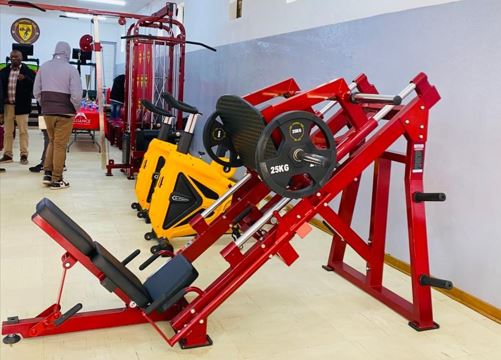
Lioli Football Club (FC) has opened a state-of-the-art gym facility, a move widely seen as a crucial investment in player conditioning that could significantly elevate the club’s on-field performance.
The gymnasium, launched on April 29 at Teyateyaneng Hall in Berea, forms part of a broader, ambitious transformation strategy that also includes a groundbreaking stadium development project aimed at redefining football standards in Lesotho.
The club said it invested over M600, 000 in the modern gym in a deliberate shift toward professionalising its operations and addressing one of the most persistent weaknesses in local football, which is physical conditioning.
For many years, Lioli players relied on basic training routines that fell short of international standards, often leaving them at a disadvantage against better-prepared opponents in continental competitions.
Speaking at the launch, club President Lebohang Thotanyane was candid about the limitations that have historically held the team back, particularly in high-stakes matches beyond Lesotho’s borders.
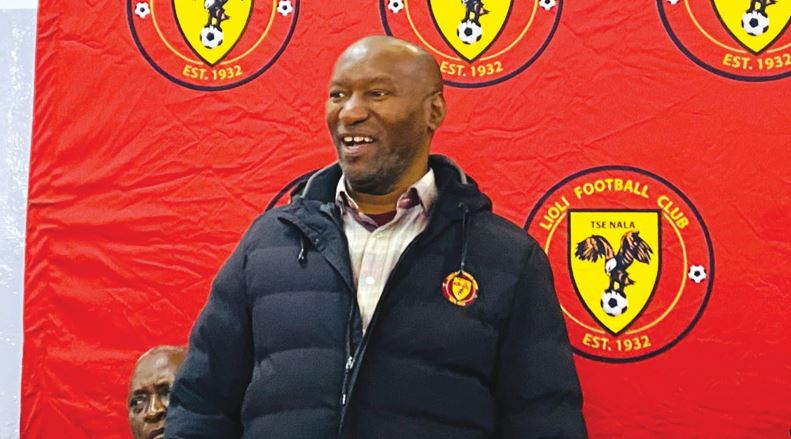
“Our players have always worked hard, but the truth is they did not have the right tools,” Thotanyane said.
“When we compete internationally, we see the difference. Other clubs are faster, stronger and better conditioned because they have access to proper gym facilities and trained professionals.”
Beyond simply adding equipment, the club is prioritising scientifically guided conditioning regimes designed to build strength, endurance and resilience, key attributes that directly influence match performance.
“This is not just about having equipment, but about doing things the right way. We want our players to train like professionals so they can compete with professionals,” he added.
The facility will primarily serve the team during the day, ensuring players follow disciplined and consistent fitness schedules aligned with modern football demands. By improving strength, recovery, and injury prevention, the gym is expected to help players maintain peak physical condition throughout the season, ultimately translating into sharper performances on the pitch.
At the same time, the club has opened the gym to the public at a membership fee of M400.00, a move that not only promotes community wellness but also introduces a sustainable revenue stream. This dual-purpose model reflects Lioli’s evolving approach, where sporting success is increasingly tied to financial innovation and broader community engagement.
Thotanyane emphasised that the gym project is still ongoing, with plans to introduce additional amenities such as showers, toilets and a sports shop to enhance the overall experience.
He also acknowledged the role of sponsors in making the initiative possible, highlighting the importance of partnerships in driving the club’s long-term vision.
While the gym directly addresses immediate performance needs, it is also part of a much larger transformation plan that extends beyond fitness into infrastructure, youth development, and financial sustainability.
Central to this vision is the construction of the new Lioli Football Ground, an ambitious project that could reshape not only the club’s future but also the broader trajectory of football in Lesotho.
In outlining the project, Thotanyane made it clear that the club’s ambitions go far beyond building a stadium, positioning the development as a catalyst for systemic change within the sport.
“As a country, we still need meaningful development, especially for young children who must fit properly into our football system. For too long we have relied more on talent than on technical development, and that is why our football has struggled to reach international standards,” he said.
This philosophy aligns closely with the rationale behind the new gym, as both initiatives aim to move Lioli away from reliance on raw talent toward a structured, performance-driven model. Improved conditioning at senior level, combined with long-term player development pathways, is expected to create a more complete and competitive football system.
The new football ground is being developed on approximately 48,000 square metres of land allocated by the Lesotho government through Berea Urban Council. Significant groundwork has already been completed, with the government investing over M10 million in earthworks to prepare the site for construction.
Lioli has also committed substantial resources to securing and developing the land, including fencing, pitch preparation, and the installation of essential infrastructure such as irrigation and drainage systems.
Technical teams are currently addressing critical elements like groundwater management to ensure the facility meets high-performance standards.
Beyond the playing surface, the project includes the construction of dressing rooms, internal access routes, and other functional spaces necessary for a professional football environment. Plans are also in place to upgrade surrounding infrastructure, including roads and a bridge near the site, improving accessibility and integrating the stadium into broader urban development plans.
A standout feature of the project is its dual-facility design. Rather than building a single stadium, Lioli is developing two complementary football spaces: a dedicated training ground for daily use and youth development, and a main stadium designed for elite competition.
This approach strengthens the link between preparation and performance, ensuring players transition seamlessly from training environments, now enhanced by the gym, to matchday conditions.
The decision to use natural grass instead of artificial turf reflects the club’s intention to meet international standards and host high-level matches, including potential CAF fixtures and international friendlies.
The envisioned stadium will also cater for domestic cup finals and national events, positioning Lioli as a central hub for football in Lesotho.
Off the field, the project is expected to generate economic benefits by creating jobs, stimulating local businesses, and contributing to Berea’s development. Plans to expand commercial activities at the old Lioli site, including a taxi rank and shopping infrastructure, further reinforce the club’s strategy of blending sport with economic growth.
“We want Lioli to be self-sustaining football today is not just about what happens on the pitch. We need business structures that allow us to invest in facilities, players, and future generations.
“This is about changing the system we want to give young players real opportunities, but that only happens when infrastructure, planning, and development come together,” Thotanyana said.
Refiloe Molise and Mamello Rakotsoane
Lioli Football Club (FC) has opened a state-of-the-art gym facility, a move widely seen as a crucial investment in player conditioning that could significantly elevate the club’s on-field performance.
The gymnasium, launched on April 29 at Teyateyaneng Hall in Berea, forms part of a broader, ambitious transformation strategy that also includes a groundbreaking stadium development project aimed at redefining football standards in Lesotho.
The club said it invested over M600, 000 in the modern gym in a deliberate shift toward professionalising its operations and addressing one of the most persistent weaknesses in local football, which is physical conditioning.
For many years, Lioli players relied on basic training routines that fell short of international standards, often leaving them at a disadvantage against better-prepared opponents in continental competitions.
Speaking at the launch, club President Lebohang Thotanyane was candid about the limitations that have historically held the team back, particularly in high-stakes matches beyond Lesotho’s borders.
“Our players have always worked hard, but the truth is they did not have the right tools,” Thotanyane said.
“When we compete internationally, we see the difference. Other clubs are faster, stronger and better conditioned because they have access to proper gym facilities and trained professionals.”
Beyond simply adding equipment, the club is prioritising scientifically guided conditioning regimes designed to build strength, endurance and resilience, key attributes that directly influence match performance.
“This is not just about having equipment, but about doing things the right way. We want our players to train like professionals so they can compete with professionals,” he added.
The facility will primarily serve the team during the day, ensuring players follow disciplined and consistent fitness schedules aligned with modern football demands. By improving strength, recovery, and injury prevention, the gym is expected to help players maintain peak physical condition throughout the season, ultimately translating into sharper performances on the pitch.
At the same time, the club has opened the gym to the public at a membership fee of M400.00, a move that not only promotes community wellness but also introduces a sustainable revenue stream. This dual-purpose model reflects Lioli’s evolving approach, where sporting success is increasingly tied to financial innovation and broader community engagement.
Thotanyane emphasised that the gym project is still ongoing, with plans to introduce additional amenities such as showers, toilets and a sports shop to enhance the overall experience.
He also acknowledged the role of sponsors in making the initiative possible, highlighting the importance of partnerships in driving the club’s long-term vision.
While the gym directly addresses immediate performance needs, it is also part of a much larger transformation plan that extends beyond fitness into infrastructure, youth development, and financial sustainability.
Central to this vision is the construction of the new Lioli Football Ground, an ambitious project that could reshape not only the club’s future but also the broader trajectory of football in Lesotho.
In outlining the project, Thotanyane made it clear that the club’s ambitions go far beyond building a stadium, positioning the development as a catalyst for systemic change within the sport.
“As a country, we still need meaningful development, especially for young children who must fit properly into our football system. For too long we have relied more on talent than on technical development, and that is why our football has struggled to reach international standards,” he said.
This philosophy aligns closely with the rationale behind the new gym, as both initiatives aim to move Lioli away from reliance on raw talent toward a structured, performance-driven model. Improved conditioning at senior level, combined with long-term player development pathways, is expected to create a more complete and competitive football system.
The new football ground is being developed on approximately 48,000 square metres of land allocated by the Lesotho government through Berea Urban Council. Significant groundwork has already been completed, with the government investing over M10 million in earthworks to prepare the site for construction.
Lioli has also committed substantial resources to securing and developing the land, including fencing, pitch preparation, and the installation of essential infrastructure such as irrigation and drainage systems.
Technical teams are currently addressing critical elements like groundwater management to ensure the facility meets high-performance standards.
Beyond the playing surface, the project includes the construction of dressing rooms, internal access routes, and other functional spaces necessary for a professional football environment. Plans are also in place to upgrade surrounding infrastructure, including roads and a bridge near the site, improving accessibility and integrating the stadium into broader urban development plans.
A standout feature of the project is its dual-facility design. Rather than building a single stadium, Lioli is developing two complementary football spaces: a dedicated training ground for daily use and youth development, and a main stadium designed for elite competition.
This approach strengthens the link between preparation and performance, ensuring players transition seamlessly from training environments, now enhanced by the gym, to matchday conditions.
The decision to use natural grass instead of artificial turf reflects the club’s intention to meet international standards and host high-level matches, including potential CAF fixtures and international friendlies.
The envisioned stadium will also cater for domestic cup finals and national events, positioning Lioli as a central hub for football in Lesotho.
Off the field, the project is expected to generate economic benefits by creating jobs, stimulating local businesses, and contributing to Berea’s development. Plans to expand commercial activities at the old Lioli site, including a taxi rank and shopping infrastructure, further reinforce the club’s strategy of blending sport with economic growth.
“We want Lioli to be self-sustaining football today is not just about what happens on the pitch. We need business structures that allow us to invest in facilities, players, and future generations.
“This is about changing the system we want to give young players real opportunities, but that only happens when infrastructure, planning, and development come together,” Thotanyana said.
Summary
- The club said it invested over M600, 000 in the modern gym in a deliberate shift toward professionalising its operations and addressing one of the most persistent weaknesses in local football, which is physical conditioning.
- Central to this vision is the construction of the new Lioli Football Ground, an ambitious project that could reshape not only the club’s future but also the broader trajectory of football in Lesotho.
- In outlining the project, Thotanyane made it clear that the club’s ambitions go far beyond building a stadium, positioning the development as a catalyst for systemic change within the sport.

Welcome to Newsday Media – Your Trusted Source for News and Insights in Lesotho!
At Newsday Media, we are passionate about delivering accurate, timely, and engaging news and multimedia content to our diverse audience. Founded with the vision of revolutionizing the media landscape in Lesotho, we have grown into a leading hybrid media company that blends traditional journalism with innovative digital platforms.
Our mission is simple: to inform, inspire, and empower our readers by providing comprehensive coverage of local and global events, current affairs, and cultural happenings. Whether you’re looking for breaking news, in-depth analysis, or captivating storytelling, Newsday Media is your go-to destination for all things news-related.
With a dedicated team of journalists, editors, and multimedia experts, we are committed to upholding the highest standards of journalistic integrity and professionalism. We pride ourselves on delivering content that not only informs but also sparks conversation, fosters understanding, and drives positive change in our society.
From our flagship newspaper to our dynamic digital platforms, we offer a wide range of multimedia content to cater to the diverse interests and preferences of our audience. Whether you prefer to stay informed through print, online articles, videos, or podcasts, Newsday Media has something for everyone.
We believe in the power of storytelling to connect people, bridge divides, and inspire action. That’s why we’re dedicated to providing a platform for voices from all walks of life, championing diversity, inclusion, and authenticity in everything we do.
Thank you for visiting Newsday Media. We invite you to explore our website, engage with our content, and join us on our journey to inform, inspire, and empower our community. Together, let’s shape the future of media in Lesotho.