
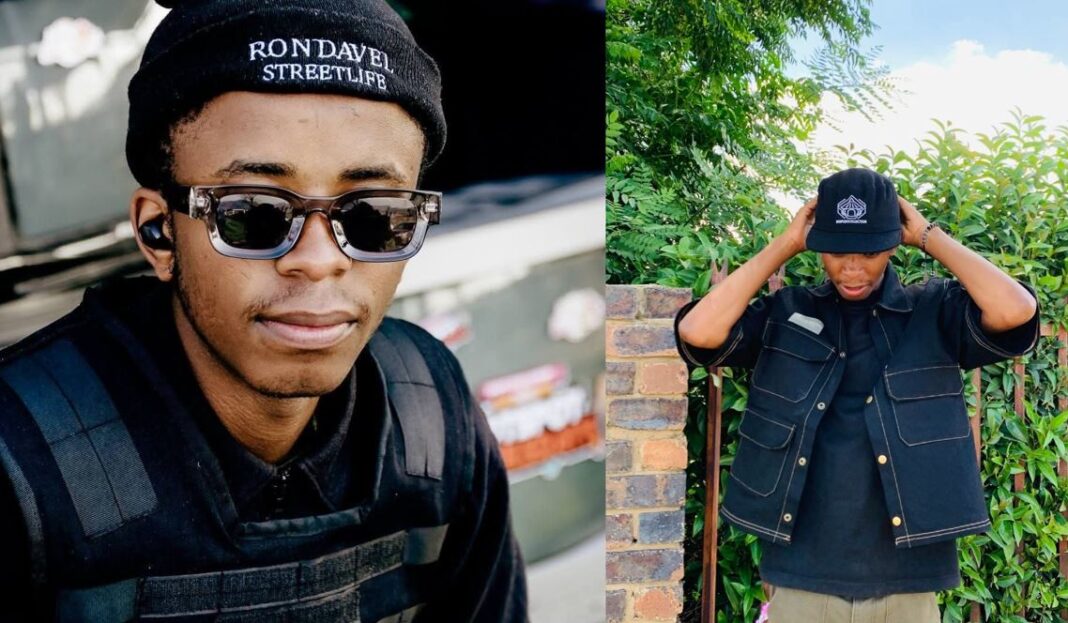
At a time when global fashion trends dominate the wardrobes of many young Africans, 22-year-old Khotso Seeko is betting on something different, identity.
Known to many simply as “Professor”, the young creative is quietly building a fashion brand that is beginning to challenge perceptions around what local streetwear can look and feel like in Lesotho.
Through his clothing label, Rondavel Attire, Seeko is attempting to bridge two worlds often treated as separate, African cultural identity and modern street fashion.
For him, fashion is not merely about clothing. It is about storytelling, belonging and creating something young people can emotionally connect with.
“Rondavel Attire was born from a simple but powerful idea, to create something that represents where we come from but still fits into modern street culture,” he explained.
That idea may sound simple, but within Lesotho’s fashion landscape, it touches on a deeper reality.
Much of the fashion consumed by young people is heavily shaped by international aesthetics, global celebrity culture and imported trends. Local identity, particularly in urban youth fashion, is often pushed to the margins or treated as outdated.
Seeko saw that gap early.
Rather than rejecting global streetwear culture, he chose to reinterpret it through an African lens and creates clothing that feels contemporary while still carrying cultural memory and meaning.
The brand’s name itself reflects that philosophy.
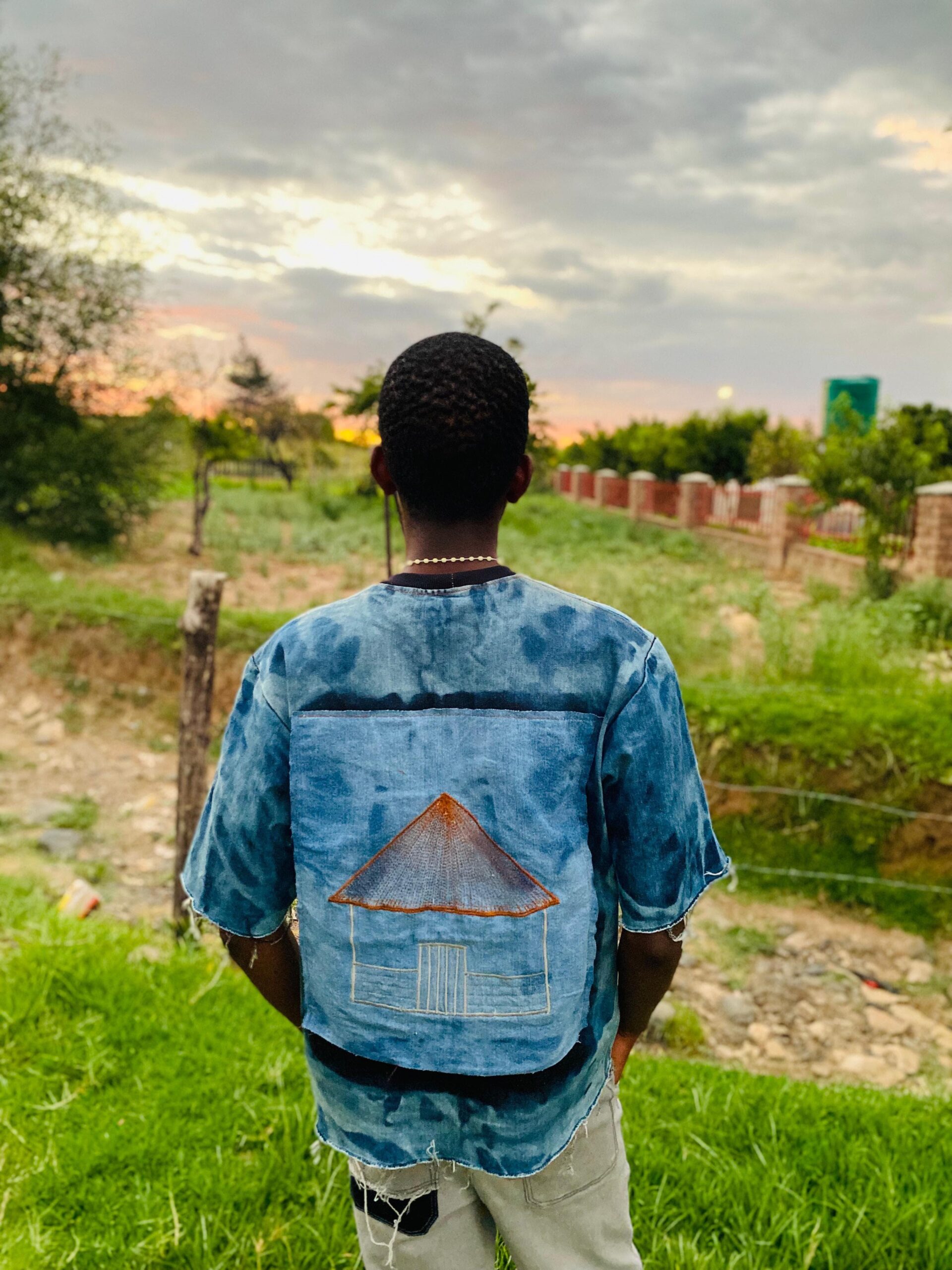
Inspired by the traditional African rondavel, — the round house associated with family, home and unity, the label represents more than style, it embodies all elements of what a rondavel house if in Africa. The brand represents rootedness.
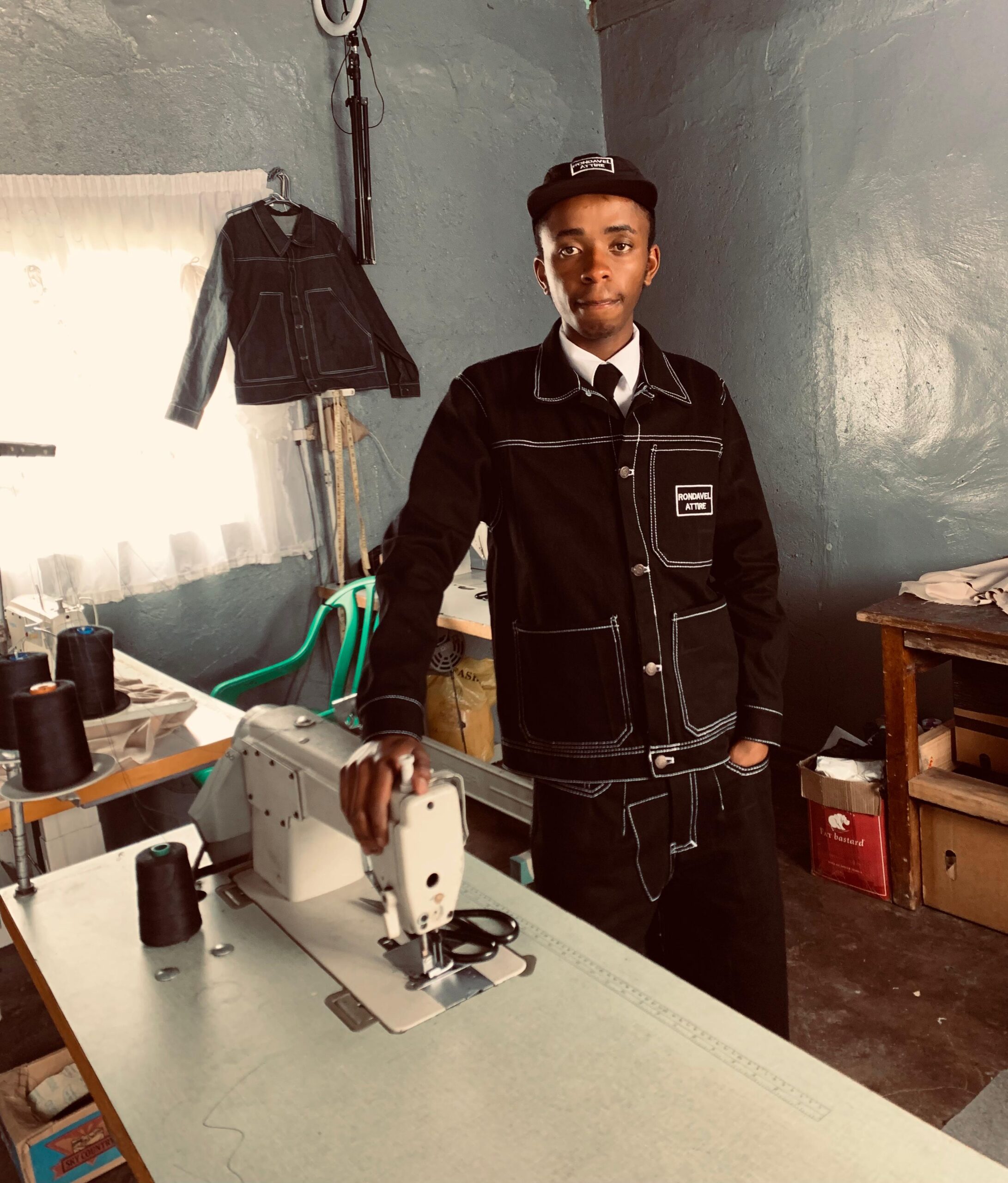
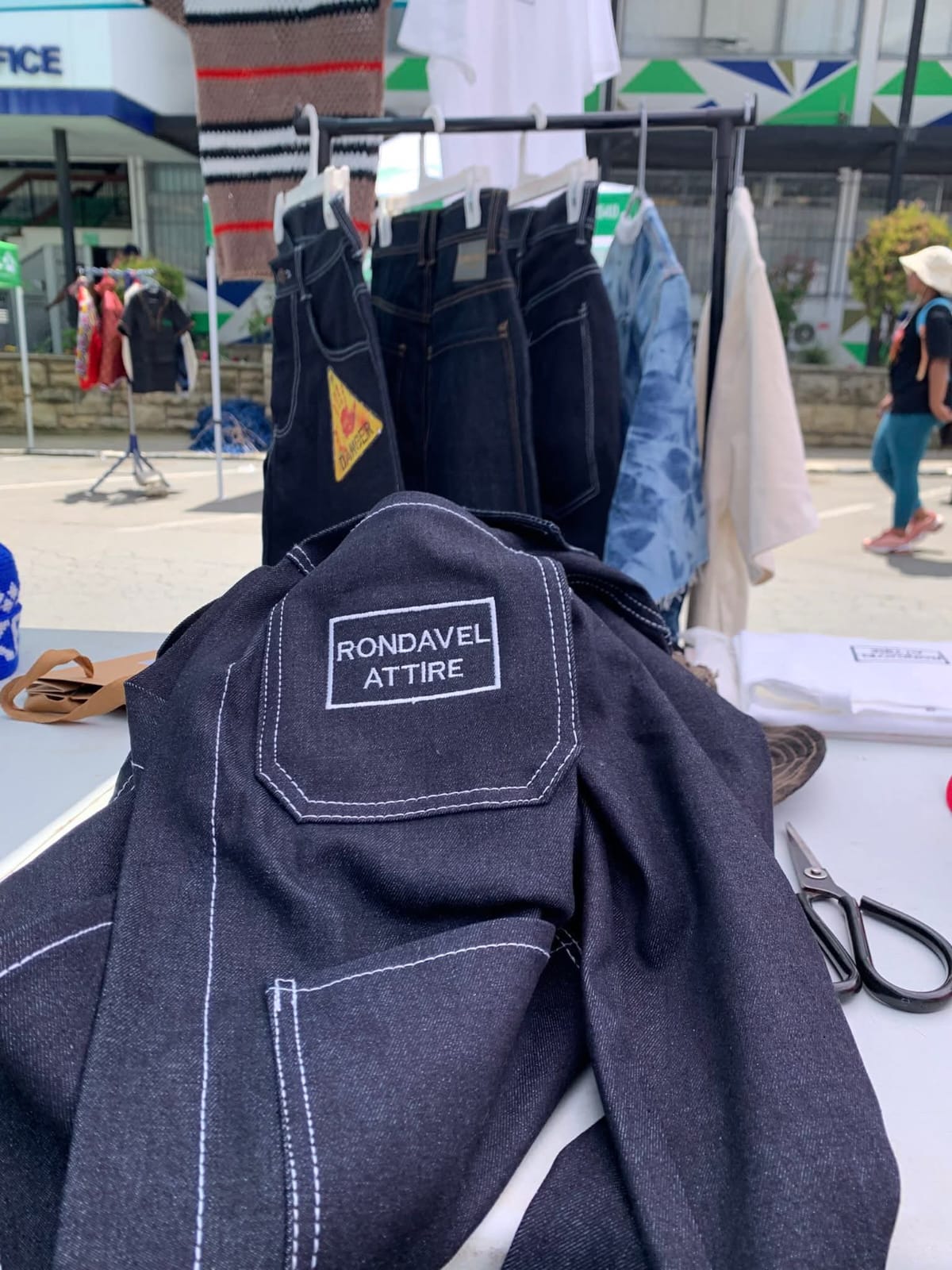
In many ways, Seeko’s work speaks to a growing generation of young Africans trying to modernise without disconnecting from who they are, and that balancing act, the designer said has become the niche element setting Rondavel Attire apart.
While many emerging brands compete through loud graphics and fast-moving trends, Seeko’s approach leans into intentionality. His designs are deliberately minimal, but layered with symbolism tied to confidence, creativity and African identity.
Each piece is designed to feel familiar to modern youth culture while quietly carrying echoes of home.
“The focus has always been on authenticity, creativity and building something that can grow beyond just a brand into a movement,” he explained.
His vision has not come without obstacles. He recounted that building a fashion brand in Lesotho presents realities many young creatives rarely speak openly about which include limited access to quality materials, high production costs, small-scale manufacturing challenges and the constant pressure of balancing artistic vision with financial survival.
For Seeko, those difficulties became part of his journey, they represented an atmosphere of learning rather than reasons for him to stop.
Like many young entrepreneurs, he started small, relying heavily on persistence, experimentation and belief in the idea behind the brand.
What kept him going, however, he said was seeing people connect with the clothing on a deeper level.
“The turning point was seeing people connect with the brand without me having to explain the vision behind the creation. From first contact, to purchase decision, to wearing the designs, they clearly understood the message,” he said, noting the feedback was confirmation of a growing hunger among young Basotho for representation, for clothing and creative spaces that reflect their realities, culture and identity in ways that feel modern rather than performative.
“In many ways, Rondavel Attire represents a quiet cultural rebellion against the idea that African-inspired fashion must either look traditional or imitate Western trends to be relevant. I am positioning local identity as something stylish, youthful and globally adaptable,” he said.
Now focused on improving product quality and expanding the brand’s reach, the young designer hopes Rondavel Attire would eventually become part of the broader African streetwear movement.
Yet even as the brand grows, he remains determined to keep its cultural foundation intact.
Summary
- Known to many simply as “Professor”, the young creative is quietly building a fashion brand that is beginning to challenge perceptions around what local streetwear can look and feel like in Lesotho.
- Inspired by the traditional African rondavel, — the round house associated with family, home and unity, the label represents more than style, it embodies all elements of what a rondavel house if in Africa.
- From first contact, to purchase decision, to wearing the designs, they clearly understood the message,” he said, noting the feedback was confirmation of a growing hunger among young Basotho for representation, for clothing and creative spaces that reflect their realities, culture and identity in ways that feel modern rather than performative.

I am an IT officer by day, immersed in the world of technology, troubleshooting systems, and ensuring everything runs smoothly. Now, my passion lies in storytelling. I am a writer at heart, fascinated by the power of words to inform, engage, and inspire.