

In a significant step toward turning the tide on one of the world’s most severe HIV epidemics, more than 1,800 Basotho who had fallen out of treatment have been successfully reengaged in care through the United States-funded initiative.
The Back-to-Care Campaign, implemented by the Meeting Targets and Maintaining Epidemic Control (EpiC) project between October 2025 and January 2026, traced 2,052 individuals who had interrupted their HIV treatment for at least 28 days and successfully returned 1,802 of them to care, a reengagement rate of nearly 88 percent, according to data presented at the Avani Lesotho hotel on Thursday.
“EpiC is one of the many significant prjects the U.S. government supports in Lesotho to advance HIV epidemic control, because every life matters,” said Chargé d’Affaires Tom Hines of the U.S. Embassy in Maseru, speaking at the symposium.
The campaign, which operated across 106 health facilities in four districts, Maseru, Mafeteng, Mohale’s Hoek, and Thaba-Tseka, focused on identifying clients lost to follow-up, tracing them through community networks, and addressing barriers that had kept them from continuing their treatment.
The Back-to-Care Campaign was implemented between October 2025 and January 2026. The initiative went beyond merely returning patients to treatment; it also strengthened HIV prevention efforts by tracing contacts of clients who had interrupted treatment, providing HIV testing services, and offering pre-exposure prophylaxis, or PrEP, to eligible HIV-negative individuals.
Lesotho has one of the highest HIV prevalence rates in the world, with approximately one in five adults living with the virus. The country has made substantial progress toward the U.N. AIDS targets of 95-95-95 — 95 percent of people living with HIV knowing their status, 95 percent of those on treatment, and 95 percent of those achieving viral suppression.
Hines highlighted U.S. work with Lesotho to drive strategic approaches to healthcare staffing, innovations, and public health for long-term HIV epidemic control, and how U.S. company Gilead Sciences’s highly effective lenacapavir offers Lesotho a powerful new prevention option.
Lenacapavir, a twice-yearly injectable medication, has shown remarkable efficacy in preventing HIV infection in clinical trials and represents what health officials describe as a potentially transformative tool for epidemic control.
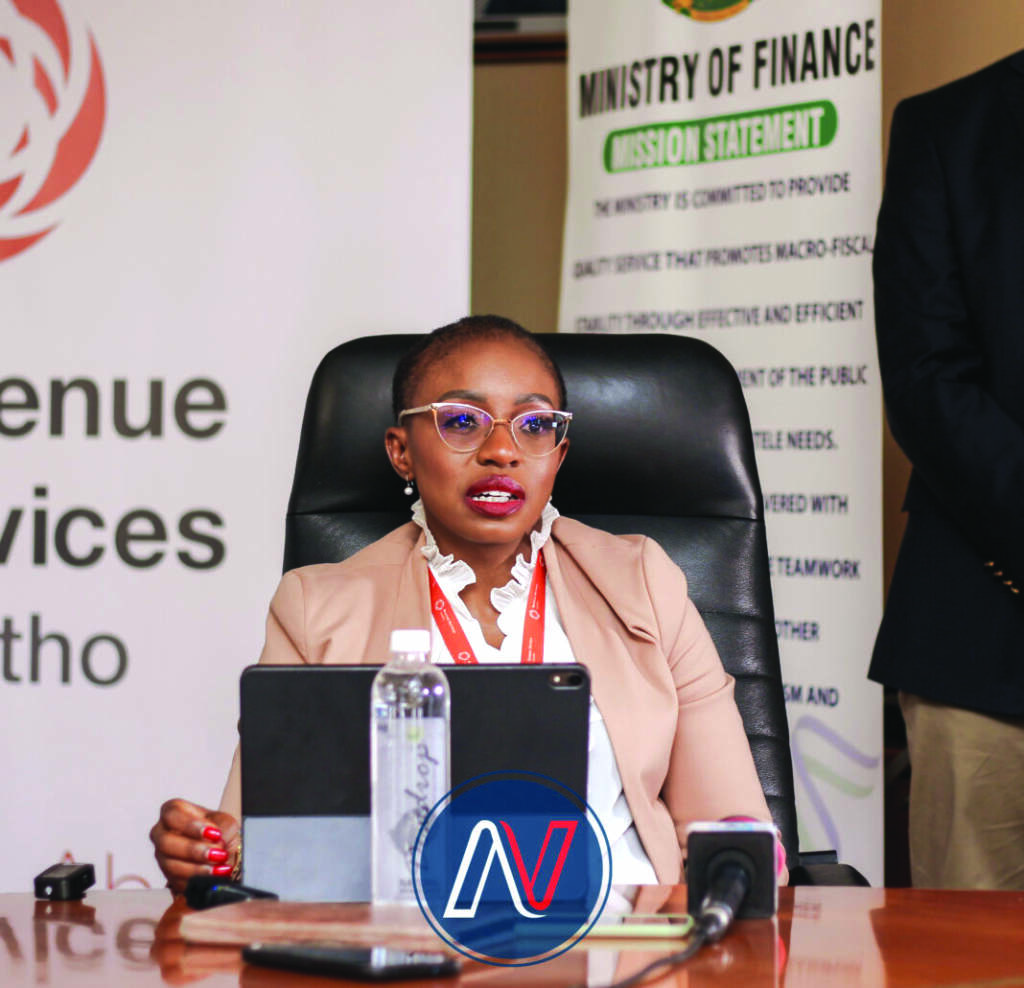
The symposium brought together government officials, district health teams, development partners, community-based organizations, and people living with HIV to reflect on campaign achievements and discuss strategies for sustaining treatment continuity.
The objectives of the symposium, among others, were to disseminate the outcomes and impact of the Back to Care Campaign to national stakeholders, share lessons learned, innovations, and best practices in identifying, tracking, and returning clients to HIV treatment services and to strengthen national commitment, policy support, and community ownership toward sustained retention in care.
Client testimonies were also featured, with one returned client sharing what was described as “My Journey Back to Care.”
The campaign was implemented by FHI 360, a non-profit human development organization, in consortium with partners including mothers2mothers, EGPAP, LENEPWHA, and Phelisanang Bophelong. The EpiC project is funded by the U.S. government through the President’s Emergency Plan for AIDS Relief, or PEPFAR, which has invested billions of dollars in HIV programs across Africa over the past two decades.
‘Mamokete Ntšekhe, Minister of Health, delivered the keynote address, urging sustained national commitment to treatment continuity and community support systems.
Summary
- In a significant step toward turning the tide on one of the world’s most severe HIV epidemics, more than 1,800 Basotho who had fallen out of treatment have been successfully reengaged in care through the United States-funded initiative.
- The Back-to-Care Campaign, implemented by the Meeting Targets and Maintaining Epidemic Control (EpiC) project between October 2025 and January 2026, traced 2,052 individuals who had interrupted their HIV treatment for at least 28 days and successfully returned 1,802 of them to care, a reengagement rate of nearly 88 percent, according to data presented at the Avani Lesotho hotel on Thursday.
- The objectives of the symposium, among others, were to disseminate the outcomes and impact of the Back to Care Campaign to national stakeholders, share lessons learned, innovations, and best practices in identifying, tracking, and returning clients to HIV treatment services and to strengthen national commitment, policy support, and community ownership toward sustained retention in care.

Authored by our expert team of writers and editors, with thorough research.