
Johannesburg, South Africa – After leaving her home in Leribe, Lesotho, ‘Malethibela Malinyane arrived in South Africa looking for a way to provide for her children.
Like many others, she began doing piece jobs. They were not frequent and did not pay much, so she became a waste picker on the streets of Johannesburg, exposed daily to the city’s extreme heat and dangers.
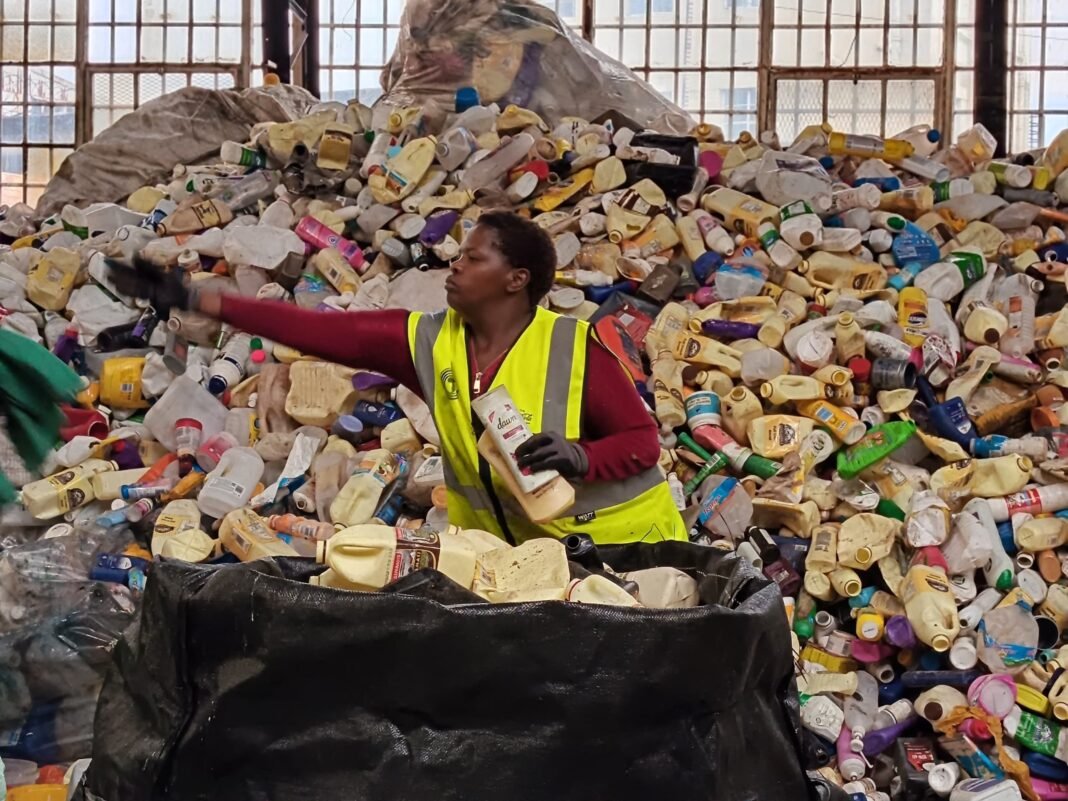
Today, she has found new hope and safety in the warehouse of the African Reclaimers Organisation (ARO). Her story shows resilience, adaptation and the human cost of climate change.
Malinyane was interviewed during a field visit by journalists from southern Africa, who were attending a training on extreme heat reporting organised by Health and Environmental Reporting Africa (HERA).
“Before I came here, I was collecting waste from the streets, where there are many challenges, most of them weather related,” Malinyane recalls. “Extreme heat, heavy rains, strong winds, and even being run over by a car.”
Like thousands of others across southern Africa, she began picking waste in 2010 to provide for her children.
“Peace jobs did not pay much. I just had to do something so they could have something to eat.”
On the streets, she gathered and sorted recyclable materials daily and sold them at the end of each month, sometimes earning about M4,000.
But the greatest threat was always the heat. “We were exposed to extreme heat where sometimes I would feel dizzy. I would only think it’s because of the heat because I would not go to the hospital. To protect myself, I would wear a hat and long-sleeved clothes, but still I would feel the heat.”
Her move to ARO Recycling in 2023 changed things.
“There is a huge difference when working at this warehouse compared to the streets. I feel very much safe,” she said with visible relief.
The warehouse is more than a shelter. It is a space designed for dignity and growth.
“The most important thing about working in the warehouse is not only sorting the waste and getting paid, but we are allowed to learn other skills. Two weeks ago, I learned how to drive and operate a forklift. I never thought I would be able to.”
ARO has been at the forefront of improving the lives of waste workers.
“This is a top-up approach to the bottom-up approach. Instead of working in a landfill or in the streets collecting bins, we have figured out a way of creating respectable working spaces where people have proper facilities, shared places, and are respected for their work,” said Luyanda Hlatshwayo of ARO.
Even inside the warehouse, extreme heat is never far away. According to HERA, southern Africa is experiencing more frequent and severe heatwaves, with temperatures sometimes soaring toward 50 degrees Celsius in parts of South Africa.
“A climate crisis is happening, it’s worse now. We have surpassed the predictions. That means we are going to be expecting more climate variation, higher floods, higher droughts, but particularly extreme heat,” said Sibusiso Mkwananzi, senior researcher at Wits RHI.
The impact goes beyond discomfort. “Heat stress is heat exposure, how your body responds is referred to as heat strain,” explained Mkwananzi.
Symptoms include heavy sweating, fatigue, headaches, nausea and even fainting.
“As you are sweating, the volume of blood goes down. For the blood to go to more organs, the heart needs to work faster, which ends up causing heart strain. If it becomes too much, it will become heat stroke, an emergency condition.”
The most vulnerable groups are elderly people, infants, pregnant women, outdoor workers and people with chronic illnesses.
“It is more difficult for a child or infant to regulate their temperature. Pregnant women are especially at risk because the heat can trigger complications, particularly in the first trimester,” Mkwananzi adds.
ARO’s warehouse was deliberately designed to reduce these risks. “We actually got this place with that in mind. We created open spaces, natural lighting, and as much air movement as possible. We have flycatchers, water tanks, and a small cubicle with a bed and medical equipment for health emergencies. Everyone here has health checks every three months,” said Hlatshwayo.
Water supply is still a challenge. “Sometimes you can go two months without water. You have to cut down on the working hours, instead of eight hours, you move to six. Because you cannot be working in spaces where there’s no water,” Hlatshwayo explained.
Mary-Jane Bopane, a climate modeller at the University of South Africa, explains the science behind these changes.
“El Niño refers to when sea surface temperatures in the Equatorial Pacific Ocean are unusually warm, resulting in drier and hotter conditions in southern Africa. This year, the anomaly is much higher than what we are used to.” Satellite data shows that El Niño years, like the one now under way, bring “dry conditions and a lot of heat.”
The effects go beyond the weather. “In Africa, we are acclimatized to the heat,” said Mkwananzi.
“But that does not mean we are immune. We need more studies in our context, and we need to take precautions, like drinking more water and keeping medication out of direct sunlight.”
For Malinyane, the difference between street work and warehouse work is clear.
“I feel safe here. I have learned new skills. I can provide for my children,” she said.
Hlatshwayo and ARO want to repeat this model across the continent.
“Waste is a resource. It is like gold if you know what to do with it. We want to create more spaces like this, to move people from working in landfills and on the streets to safe, dignified work.”
As climate extremes become the new normal, Malinyane’s story and the work of organisations like ARO offer a blueprint for resilience and adaptation. HERA’s training in Johannesburg is a reminder that protecting the most vulnerable is more urgent than ever.
According to the World Health Organisation (WHO), the number of people exposed to extreme heat is growing rapidly in all world regions because of climate change. Heat-related deaths among people over 65 rose by about 85 percent between 2000–2004 and 2017–2021.
“Between 2000 – 2019 studies show approximately 489 000 heat-related deaths occur each year, with 45 percent of these in Asia and 36 percent in Europe.
Summary
- They were not frequent and did not pay much, so she became a waste picker on the streets of Johannesburg, exposed daily to the city’s extreme heat and dangers.
- To protect myself, I would wear a hat and long-sleeved clothes, but still I would feel the heat.
- Instead of working in a landfill or in the streets collecting bins, we have figured out a way of creating respectable working spaces where people have proper facilities, shared places, and are respected for their work,” said Luyanda Hlatshwayo of ARO.
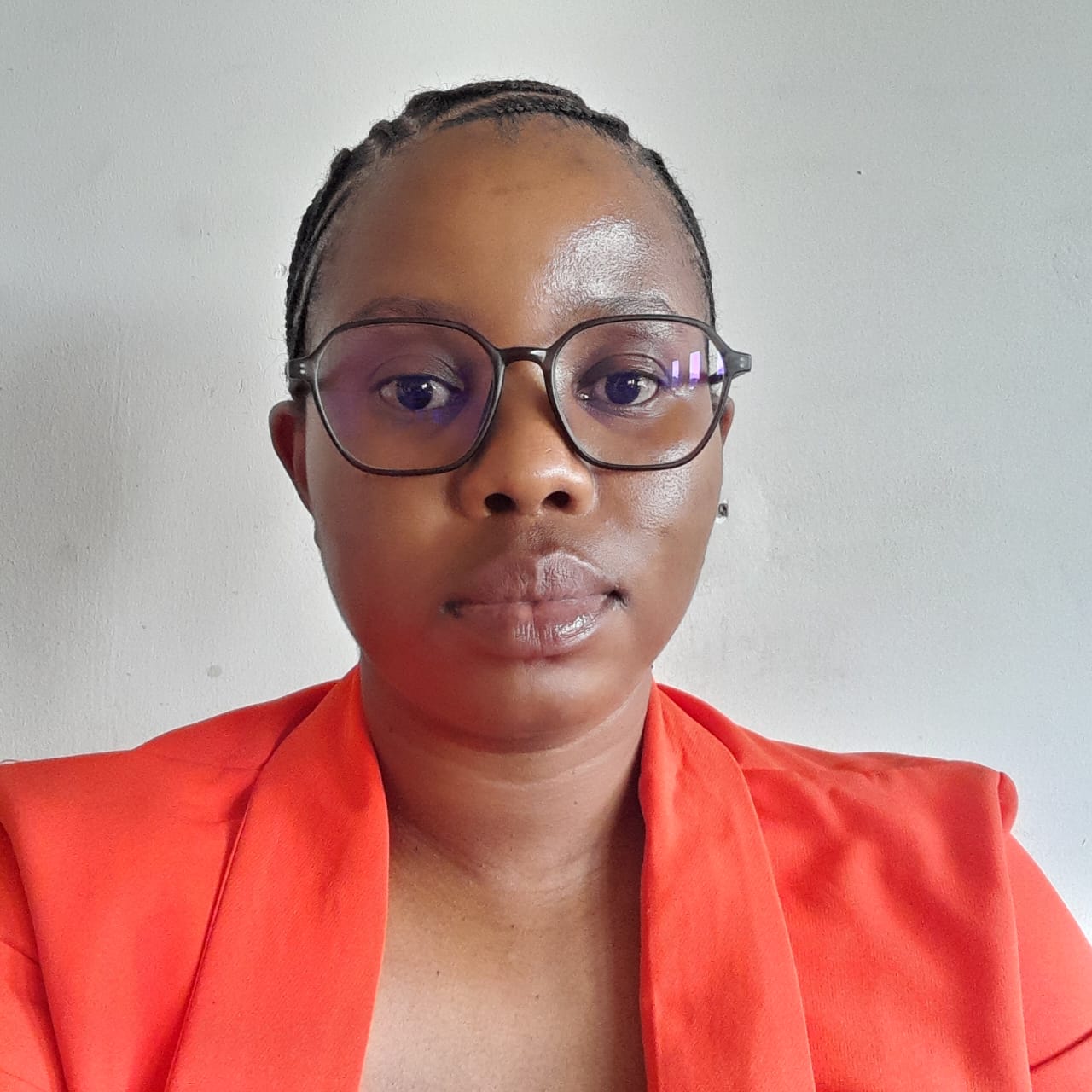
Ntsoaki Motaung is an award-winning health journalist from Lesotho, specializing in community health stories with a focus on sexual and reproductive health and rights, as well as HIV. She has contributed to platforms like “Be in the KNOW,” highlighting issues such as the exclusion of people with disabilities from HIV prevention efforts in Lesotho.
In addition to her journalism, Ntsoaki serves as the Country Coordinator for the Regional Media Action Plan Support Network (REMAPSEN). She is also a 2023 CPHIA Journalism Fellow.