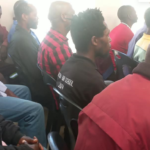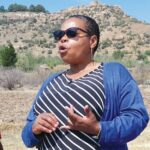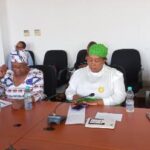

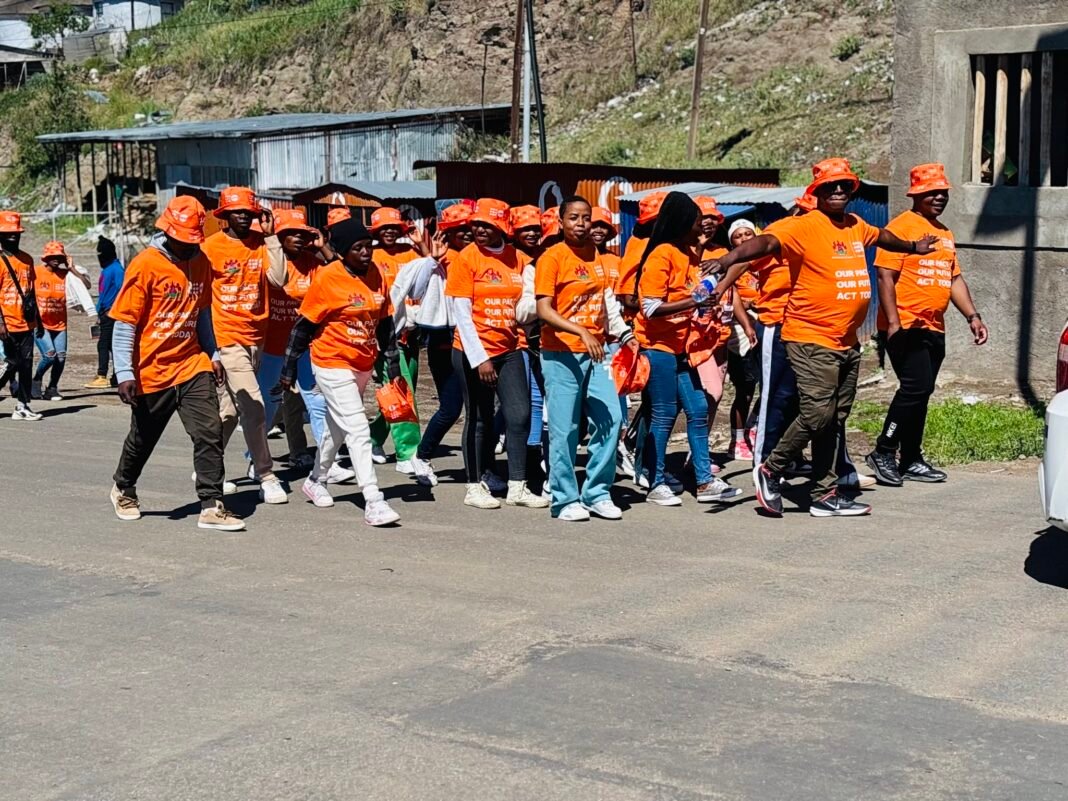
At the recently concluded youth summit, participants called for a greater say in decisions affecting their lives, including on sexual and reproductive health, gender-based violence (GBV), digital access and business opportunities.
This transpired at the United Nations Population Fund (UNFPA) organised three-day youth summit, which brought together young people from across all five constituencies in Thaba-Tseka district.
The call came at a three-day youth summit attended by young people from the constituencies of Thaba-Tseka, Semena, Mashai, Mantšonyane and Thaba-Moea. In Lesotho, a young person is aged between 15 and 35.
Acting UNFPA’s Representative Motšelisi Phakisi said young people were leaders and needed support to realise their ambitions.
Minister of Gender, Youth and Social Development Pitso Lesaoana said young people should have equal opportunities wherever they live. He encouraged them to build digital skills to connect with the wider world and access online opportunities.
Young people said they had gained useful knowledge about sexual and reproductive health and rights (SRHR), including the importance of contraception. One participant said the discussions had also made her think about the values young people need to guide their choices.
“You cannot go anywhere if you don’t have values. You cannot progress in life if you keep doing these things that you are doing. We need to change this country but we cannot change it if we are weak,” she said.
Another participant said he saw values as a guide for improving their lives. As a herder, he said his knowledge of sexual relationships had been limited and that he had learned about the importance of consent.
Director of Youth Lipalesa Lesenyeho urged young people to check that job opportunities outside Thaba-Tseka were genuine, and to report them to the relevant authorities. She said the government was working to empower young people socially, economically and politically.
Lesenyeho also outlined government programmes, including the Youth Employment Promotion Initiative, which supports young people with business skills, including those who are illiterate. She introduced participants to the Sebabatso initiative, held around International Youth Day, and the Inclusive Growth Fund.
Tefo Sefothane, chief executive of Spelling A Business Africa (SABA), urged delegates to develop a business mindset.
With youth unemployment and low productivity among the country’s challenges, he encouraged young people to position themselves to start businesses.
Some participants shared their own ventures. Itumeleng Lekhera, a student at Ntaote High School, collects organic waste from a dumping site, sorts it and leaves it to decompose into compost.
She sells the compost to farmers in Thaba-Tseka and hopes to reach customers nationally. She also wants to create jobs for other young people.
Letlisa Marake, from Bocheletsane High School, makes reusable sanitary pads. He said he started the business in response to pollution caused by disposable pads. The reusable pads can be washed and worn again, and he hopes to sell them in neighbouring countries.
Young people also received information about business opportunities in the district, including carpentry and joinery, hospitality, tailoring and cosmetics production.
Maseretse Ratia, UNFPA’s National Programme Analyst for Adolescents and Youth, said the organisation would work with partners to mobilise resources for training.
The plan is to support 20 young people in each of four business areas through six months of training, for a total of 80 participants.
Retšepile Khemane welcomed the investment in young people’s development, saying the summit had given her a chance to build connections and learn from her peers.
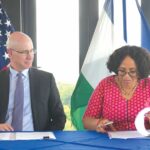
Lesaoana signed a compact committing to address young people’s demands and conduct sustained outreach in the districts. He also signed a youth pact for Thaba-Tseka.
The pact calls for young people to be included in key decisions on SRHR access, preventing gender-based violence, digital inclusion and enterprise opportunities.
The summit comes as the government’s 2026/27 budget includes about M124 million for youth development, including efforts to tackle youth unemployment. Presenting the budget under the theme
“Driving Resilient and Inclusive Growth Through Advanced Digital Strategies”, Finance and Development Planning Minister Dr Retšelisitsoe Matlanyane said youth unemployment remained “unacceptably high”.
It is not yet clear how much of the allocation has been spent or how many young people have benefited.
At the end of the summit, prominent musician Sannere, real name, Relebohile Monapathi was unveiled as a UNFPA Youth Ambassador. His role includes promoting education and encouraging young people to reject child marriage and unplanned teenage pregnancy.
Summary
- At the recently concluded youth summit, participants called for a greater say in decisions affecting their lives, including on sexual and reproductive health, gender-based violence (GBV), digital access and business opportunities.
- As a herder, he said his knowledge of sexual relationships had been limited and that he had learned about the importance of consent.
- Retšepile Khemane welcomed the investment in young people’s development, saying the summit had given her a chance to build connections and learn from her peers.
Thoboloko Ntšonyane is a dedicated journalist who has contributed to various publications. He reports on accountability, human rights, exposes corruption and wrong doing by those in power. He reports have exposed corruption, abuse of power, fraud, misconduct and negligence. He subscribes to evidence-based reporting. He reports on governance, parliament, courts, climate change, human rights, sexual and reproductive health rights (SRHR), health, business and agriculture. He gives a voice to the marginalised while also demanding accountability. His work inspires change, triggers dialogue and also promote transparency in a society.