
- Regional commission urges shift as Lesotho faces rising drug crisis
As the illicit drug trade escalates across Southern Africa, policymakers are grappling with a fundamental question, should drug users be sent to prison, or offered treatment?
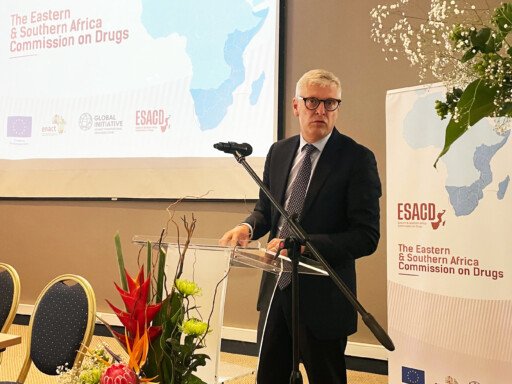
This debate took center stage at the recent meeting of the Eastern and Southern Africa Commission on Drugs (ESACD) in Cape Town, where government leaders, civil society, and public health experts urged a dramatic rethink of regional drug policies.
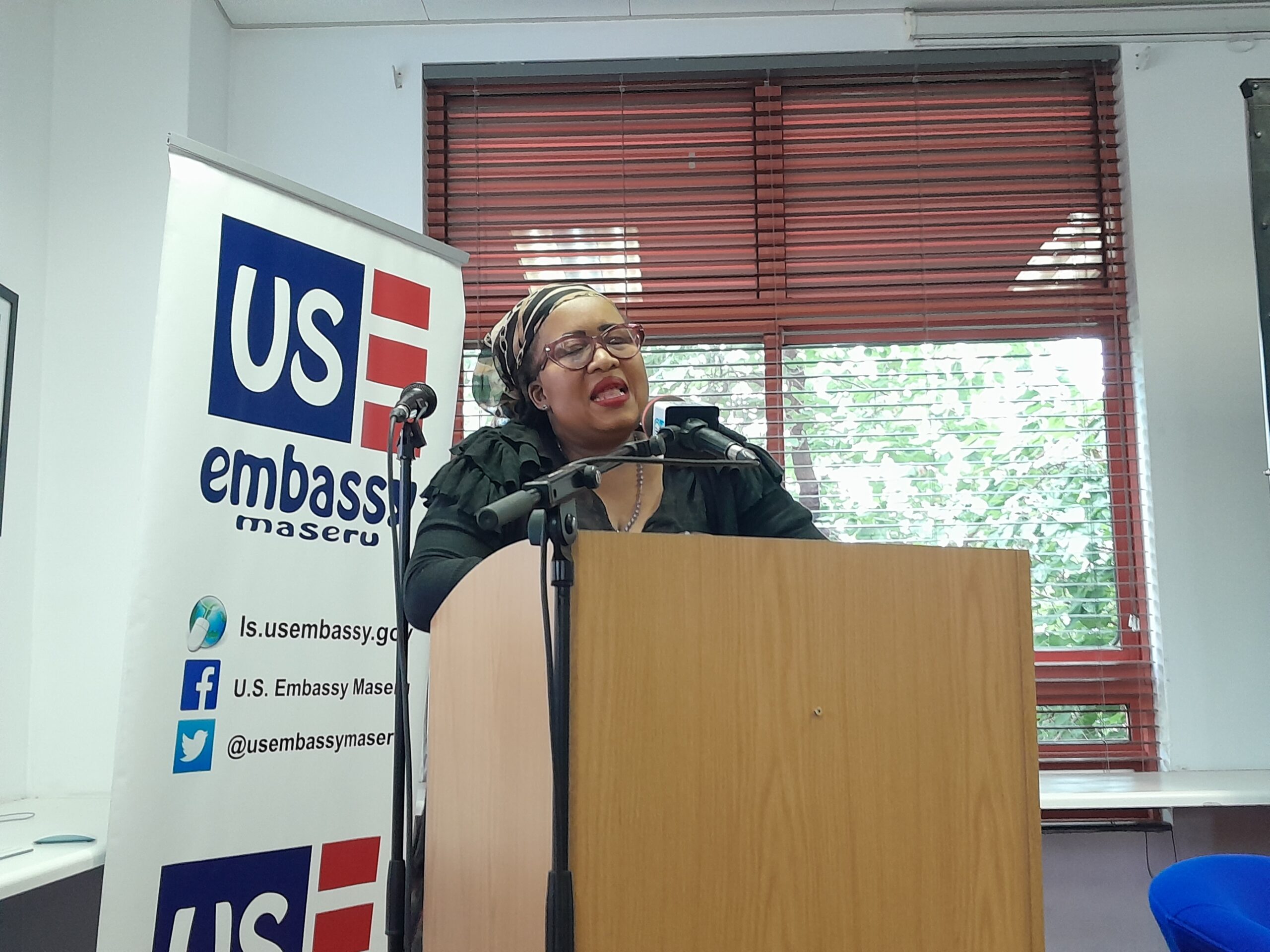
According to Pontšo Tumisi, founder of Mokhosi oa Mangoana (A Mother’s Cry) in Lesotho,
“More than being a criminal act, drug use and addiction are illnesses, so they need treatment, not jail. Besides, prisons are full of drugs.”
Tumisi’s view is echoed by a growing chorus of experts who argue that punitive approaches have failed to stem the tide of addiction, and may even exacerbate the crisis.
Lesotho’s own policy framework, Tumisi notes, is lagging behind the scale of the challenge.
“There is no such policy yet. We are yet to work on the alcohol and tobacco policy, as for other illicit substances, they are covered only a bit. There are no treatment centers and a lack of education about addiction.”
For people who use drugs in Lesotho, the largest barriers are stark. The lack of formal interventions means that, at present, the only recourse for those struggling with substance use is referral to Mohlomi Mental Hospital for treatment of after-effects, a system Tumisi describes as inadequate.
“Lesotho has no interventions at the moment other than taking them to Mohlomi for treatment of after effects.”
Lesotho’s geographical position, completely surrounded by South Africa, has made it a packaging hub for drugs trafficked onward.
Tumisi explained, “We have heard that Lesotho is the packaging hub before they can be re-trafficked to South Africa. For lack of better words, it can be easier to come through Lesotho because of the uncontrollable borders.”
Local communities bear the brunt of this illicit trade, and existing policies often target users rather than the syndicates driving the crisis.
Former South African President Kgalema Motlanthe, chairperson of the ESACD, called for an urgent overhaul of drug policy across the region.
“For decades, our policies have failed to solve the problems created by the illicit drug trade. In many cases, they have done more harm than good,” Motlanthe warned.
He stressed that drug-related challenges and organised crime must be addressed as interconnected issues, noting the region’s vulnerability as a key transit point along major shipping routes.
Acting Police Minister Professor Firoz Cachalia also addressed the gathering, acknowledging the devastating impact of drugs on families and communities.
“These harms demand a serious response. They also demand that we are honest about what works, what does not, and how we can better protect the people that we serve,” Cachalia said.
He called for stronger law enforcement against organised networks, but stressed the need to “respond to communities’ needs” and focus resources on dismantling syndicates rather than criminalising users.
Civil society organisations like Tumisi’s face their own hurdles in aligning with regional advocacy efforts.
“Lack of funds and knowledge for practitioners hinders progress because even now we are not represented there,” Tumisi noted about participation in regional bodies like the ESACD.
Tumisi further argued that Lesotho must move swiftly to develop and pass comprehensive policies.
“If the policies can be worked on and made into bills, then Lesotho would see the direction. After all, we already have trained people. The body that the Prime Minister found (NASC) should be gazetted to enable it to have the legal standing to do the work.”
Redirecting resources from policing users toward tackling organised syndicates and funding treatment is a central demand of reformers. With Lesotho poised at a crossroads, advocates like Tumisi are hoping that political will can finally translate into real change for some of the region’s most vulnerable citizens.
“We need to treat drug users as people needing help, not criminals. Only then can we begin to break the cycle of harm,” Tumisi concluded.
Summary
- This debate took center stage at the recent meeting of the Eastern and Southern Africa Commission on Drugs (ESACD) in Cape Town, where government leaders, civil society, and public health experts urged a dramatic rethink of regional drug policies.
- The lack of formal interventions means that, at present, the only recourse for those struggling with substance use is referral to Mohlomi Mental Hospital for treatment of after-effects, a system Tumisi describes as inadequate.
- The body that the Prime Minister found (NASC) should be gazetted to enable it to have the legal standing to do the work.
Ntsoaki Motaung is an award-winning health journalist from Lesotho, specializing in community health stories with a focus on sexual and reproductive health and rights, as well as HIV. She has contributed to platforms like “Be in the KNOW,” highlighting issues such as the exclusion of people with disabilities from HIV prevention efforts in Lesotho.
In addition to her journalism, Ntsoaki serves as the Country Coordinator for the Regional Media Action Plan Support Network (REMAPSEN). She is also a 2023 CPHIA Journalism Fellow.