
The government owes more than M2.8 billion to suppliers, contractors, lenders and individuals, exposing deepening financial management failures that continue to cripple the private sector and undermine confidence in the state.
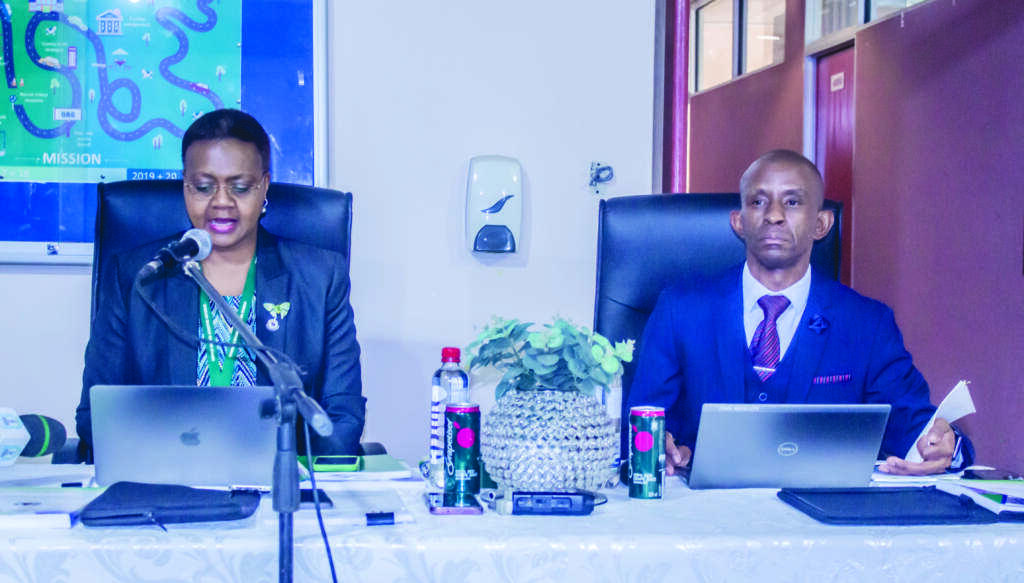
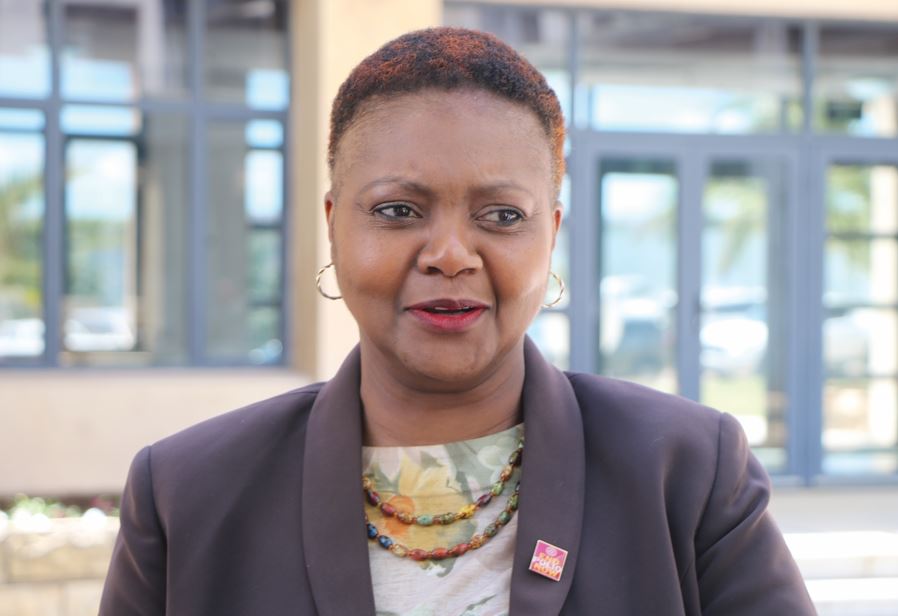
This is according to the latest Consolidated Financial Statements (CFS) audit report for the 2023/24 financial year released by Auditor-General ‘Mathabo Makenete, who condemned the government’s chronic failure to honour payment obligations within stipulated deadlines.
The report reveals that the mounting arrears have become a systemic problem, with suppliers carrying the heaviest burden as government delays continue to disrupt operations across several sectors of the economy.
“The government failed to meet its payment obligations of M2.81 billion to individuals, suppliers, lenders, and contractors within specified payment due dates,” the audit report reads.
For years, businesses dealing with government have repeatedly complained about delayed payments, warning that the situation threatens their survival. Some companies have reportedly downsized operations, failed to pay salaries and suppliers, or closed altogether due to cash flow problems caused by unpaid government invoices.
The report notes that despite repeated promises by successive governments to improve cash management and creditor servicing, little progress has been made.
The Auditor-General further flagged several financial irregularities and breaches of regulations within government operations.
According to the report, an advance of M152.43 million was disbursed from the Contingency Fund to six spending units for expenditure that was neither urgent nor unforeseen, in violation of Section 113 of the Constitution.
It also emerged that the Supplementary Appropriation (2023/2024) Bill intended to regularise government expenditure had not yet been passed by Parliament at the time of compiling the report.
“The total advances of M404.78 million remained unregularised as the Supplementary bill for 2023/2024 was not approved by Parliament as at the time of the report. There were differences between the recomputed revised budget (Appropriation Act, 2023/24 and Supplementary Appropriation Bill (2023/2024)) amounts and the revised budget per CFS and MFS for 6 Spending units.”
Further discrepancies were identified in government financial records. The Auditor-General reported that the CFS and Ministerial Financial Statements reflected total receipts of M21.83 billion, while the Integrated Financial Management Information System (IFMIS) ledger recorded M21.41 billion, leaving an unexplained variance of M422 million.
The report also found that M315.98 million had been spent on projects without approved budgets, while project records in nine spending units failed to reconcile with official financial statements.
Issuing an adverse audit opinion, one of the most severe findings in public financial reporting, the Auditor-General stated:
“In my opinion, because of the significance of the matters discussed in the Basis for Adverse Opinion paragraphs, the accompanying Consolidated Financial Statements (CFS) do not present fairly the financial position of the Government as at 31st March 2024, its financial performance and cash flows for the year then ended, in accordance with the International Public Sector Accounting Standards financial reporting under Cash Basis of accounting (Cash Basis IPSAS).”
The report further highlighted a M3.09 billion discrepancy in government cash balances, with the Consolidated Statement of Cash Receipts and Payments reporting M5.91 billion while Note 15 reflected M2.82 billion.
Auditor-General Makene also criticised inconsistencies in government budget figures and the exclusion of capital receipts in the national budget book, warning that the gaps compromise transparency and accountability.
In her remarks accompanying the report, Minister of Finance and Development Planning Dr Retšelisitsoe Matlanyane said the 2023/24 budget was designed to improve growth, healthcare, industrialisation and service delivery.
However, she acknowledged that limited resources, corruption and wasteful spending remain major challenges affecting government performance.
Summary
- The report reveals that the mounting arrears have become a systemic problem, with suppliers carrying the heaviest burden as government delays continue to disrupt operations across several sectors of the economy.
- It also emerged that the Supplementary Appropriation (2023/2024) Bill intended to regularise government expenditure had not yet been passed by Parliament at the time of compiling the report.
- “In my opinion, because of the significance of the matters discussed in the Basis for Adverse Opinion paragraphs, the accompanying Consolidated Financial Statements (CFS) do not present fairly the financial position of the Government as at 31st March 2024, its financial performance and cash flows for the year then ended, in accordance with the International Public Sector Accounting Standards financial reporting under Cash Basis of accounting (Cash Basis IPSAS).
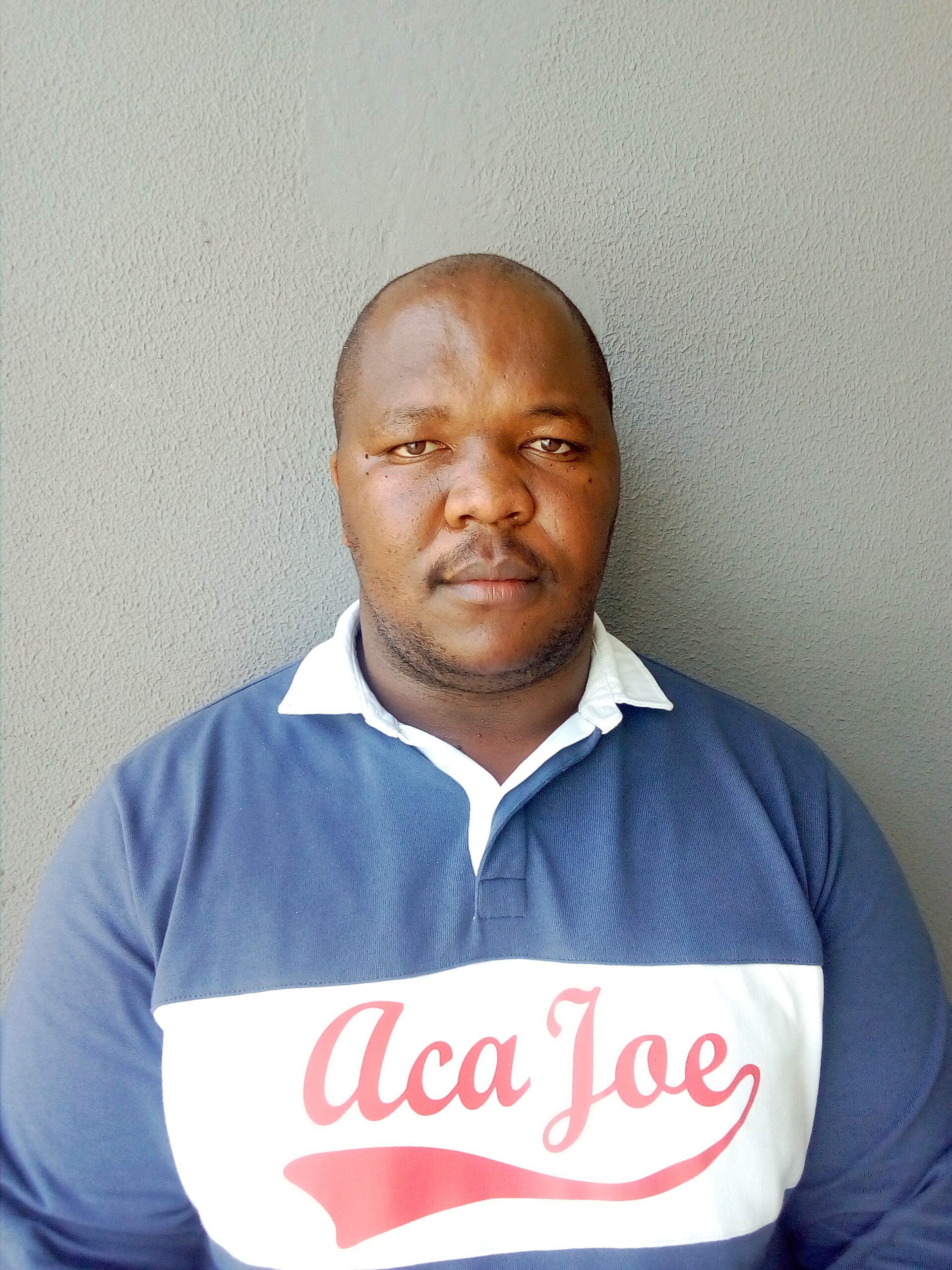
Thoboloko Ntšonyane is a dedicated journalist who has contributed to various publications. He reports on accountability, human rights, exposes corruption and wrong doing by those in power. He reports have exposed corruption, abuse of power, fraud, misconduct and negligence. He subscribes to evidence-based reporting. He reports on governance, parliament, courts, climate change, human rights, sexual and reproductive health rights (SRHR), health, business and agriculture. He gives a voice to the marginalised while also demanding accountability. His work inspires change, triggers dialogue and also promote transparency in a society.