
In a strongly worded press statement, the Ombudsman made it clear that environmental protection is an uncompromisable human rights issue, expressing deep frustration with the persistent inaction of public entities.
“The Ombudsman is hopeful that the MEF, MOH, and MLGCHAP will use this report not as a criticism, but as a roadmap for urgent intervention,”Polaki stated.
She added with profound emphasis: “The full and good-faith implementation of these recommendations is essential to halt further degradation and to ensure an improved adherence to minimum standards in the management of waste in the Kingdom of Lesotho, for the benefit of both present and future generations.”
Polaki further admonished local authorities for hiding behind administrative excuses: “It became evident during the course of these inspections that the importance of effective waste management operations is being undermined by many local authorities, with various reasons cited, including budgetary constraints, lack of skilled personnel, and the absence of heavy machinery. However, these challenges must be overcome through sound economic planning, prioritization, and a renewed commitment to environmental governance.”
The report concludes that the state has directly failed to uphold Section 27 of the Constitution of Lesotho, which explicitly binds the government to promote environmental hygiene and actively prevent endemic and epidemic diseases.
The public is now waiting to see if the Ministry of Health and accompanying state bodies will treat this landmark report as a matter of national life and death.
A damning nationwide inspection report released by the Office of the Ombudsman has unveiled a catastrophic breakdown in solid waste management across the Kingdom of Lesotho, sounding an urgent alarm over severe, life-threatening public health risks facing ordinary citizens.
The extensive investigation, spearheaded by Ombudsman Adv Tlotliso Polaki, paints a grim picture of unchecked environmental degradation.
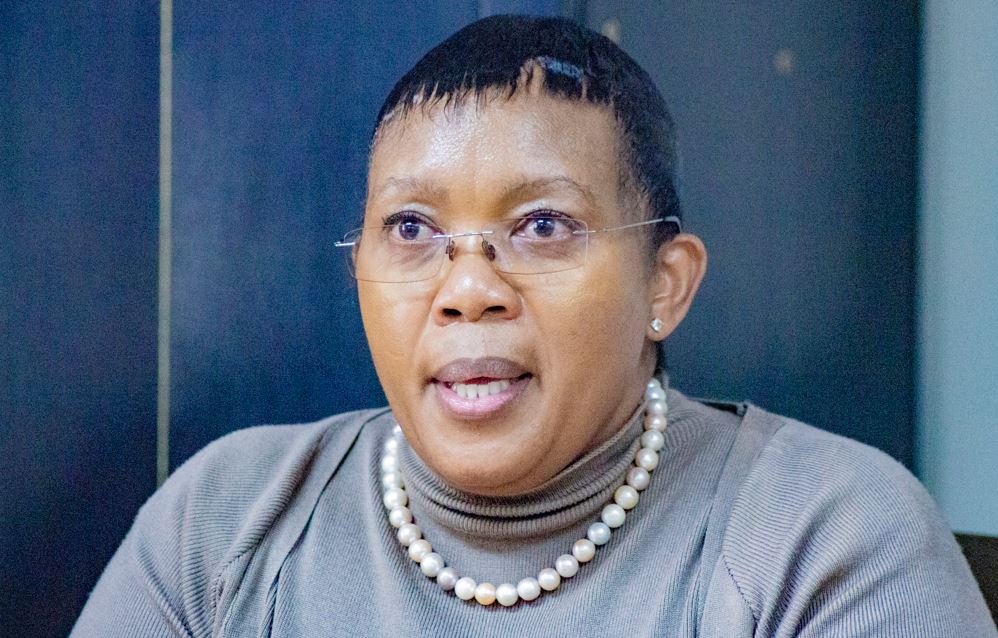
Ombudsman Adv. Tlotliso Polaki, who led the nationwide investigation into waste management practices that uncovered serious environmental and public health concerns across Lesotho.
The report reveals that poor waste disposal practices have directly compromised human health, contaminated essential water bodies, and violated fundamental constitutional rights.
Among the report’s most horrifying disclosures is the tragic cost of regulatory non-compliance on human lives. In the Berea district, the total failure of local authorities to properly manage and secure open waste facilities has resulted in the ultimate price.
The Ombudsman directly noted that “diseases related to the exposure and improper disposal of waste lead and affect the lives of ordinary citizens, and in some cases, have led to deaths at dumpsites like Malubalube, in the Berea district.”
Furthermore, the report highlights the plight of children in Mapoteng. Due to the complete lack of a nearby legal disposal facility, dangerous healthcare risk materials have been routinely dumped in informal areas by the roadside.
The report underscores a heartbreaking case of affected community members, documenting that “medical waste has been discarded at the illegal site, resulting in children becoming sick after consuming discarded medicine.”
In Qacha’s Nek, a severely broken and vandalized perimeter fence allowed destitute residents to easily access toxic dumping grounds.
The investigation discovered that this lack of security “made it easy for them to access the site and scavenge for food that had been discarded, which posed a serious health risk to the community.”
Under the Public Health Act of 1970 and the Hazardous Health Care Waste Management Regulations of 2012, the Ministry of Health (MoH) is legally mandated to play a central role in managing healthcare waste, overseeing sanitary compliance, and executing strict safety protocols. However, the Ombudsman’s findings point to a massive breakdown in the chain of custody for hazardous medical materials.
The report notes that frontline Environmental Health inspectors are heavily constrained by severe systemic deficiencies. A critical shortage of personnel has resulted in highly infrequent monitoring of medical facilities.
Compounding this, a severe lack of personal protective equipment (PPE) such as heavy-duty gloves, boots, and face masks leaves health workers and waste handlers continuously exposed to deadly blood-borne pathogens.
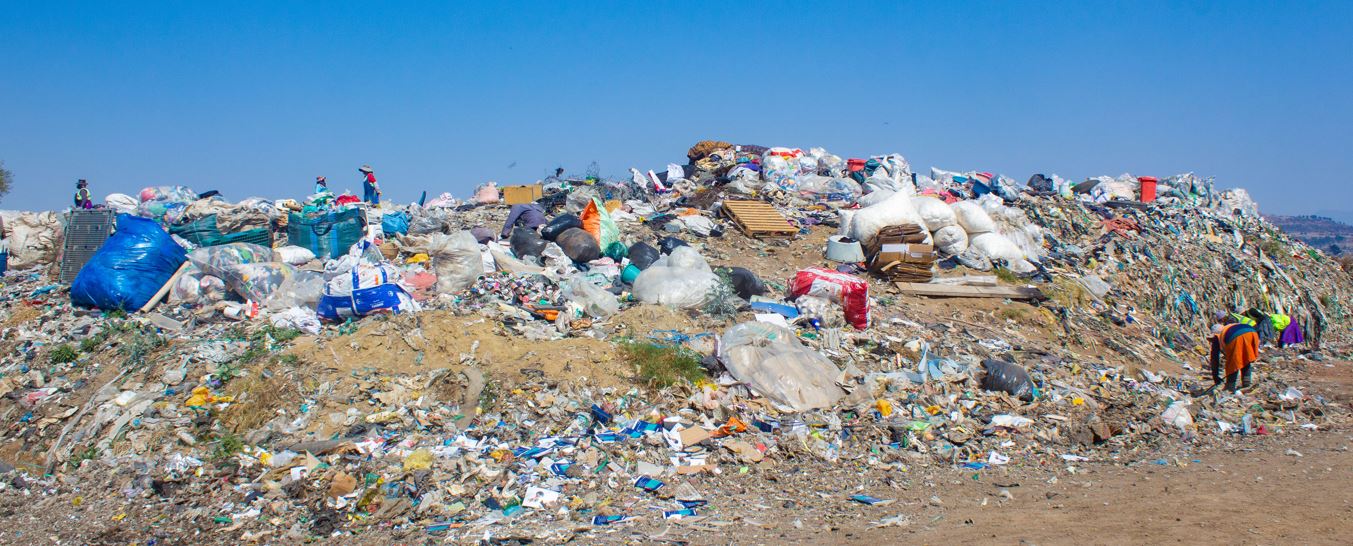
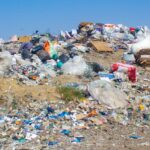
Waste accumulation in Ha Tsosane, Maseru, reflects the broader waste management crisis highlighted by the Ombudsman.
The inspection uncovered rampant negligence at the point of waste generation, where healthcare staff routinely mix highly infectious microbiological materials, discarded needles, and toxic pharmaceuticals with ordinary domestic garbage.
At the Mokhotlong dumping site, inspectors found scattered hospital waste, including highly contaminated used needles, openly exposed to the environment.
The comprehensive report details a multitude of environmental and clinical threats to human life, uncollected and overflowing garbage piles across urban centers have triggered severe infestations of vermin. Piles of organic food waste serve as breeding grounds for rats, flies, and mosquitoes, drastically increasing the transmission risk of diseases such as malaria, dengue fever, cholera, typhoid, and diarrhea.
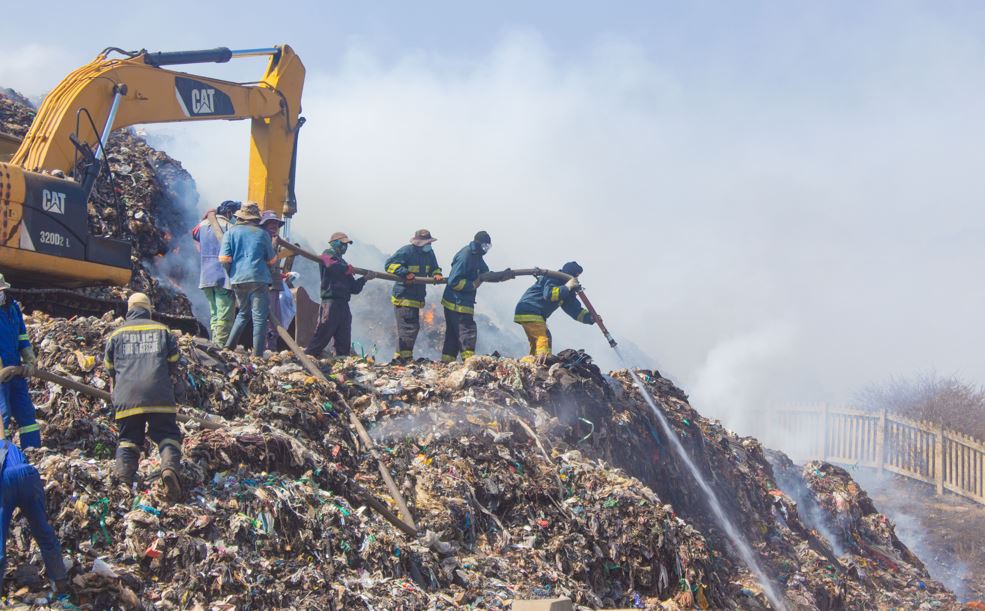
Due to a near-total absence of functional waste service delivery, open burning has become a primary method of disposal. The toxic smoke released from these fires is absorbed directly into the lungs, triggering asthma, chronic throat infections, severe skin allergies, and long-term risks of cancer.
Uncovered dumpsites produce a toxic fluid byproduct known as leachate. This chemical-laden liquid infiltrates surface streams and local aquifers, creating toxic plumes that travel toward water collection zones like the Maqalika reservoir, rendering drinking water unsafe and poisoning agricultural soil.
Summary
- “The full and good-faith implementation of these recommendations is essential to halt further degradation and to ensure an improved adherence to minimum standards in the management of waste in the Kingdom of Lesotho, for the benefit of both present and future generations.
- The Ombudsman directly noted that “diseases related to the exposure and improper disposal of waste lead and affect the lives of ordinary citizens, and in some cases, have led to deaths at dumpsites like Malubalube, in the Berea district.
- Under the Public Health Act of 1970 and the Hazardous Health Care Waste Management Regulations of 2012, the Ministry of Health (MoH) is legally mandated to play a central role in managing healthcare waste, overseeing sanitary compliance, and executing strict safety protocols.

Ntsoaki Motaung is an award-winning health journalist from Lesotho, specializing in community health stories with a focus on sexual and reproductive health and rights, as well as HIV. She has contributed to platforms like “Be in the KNOW,” highlighting issues such as the exclusion of people with disabilities from HIV prevention efforts in Lesotho.
In addition to her journalism, Ntsoaki serves as the Country Coordinator for the Regional Media Action Plan Support Network (REMAPSEN). She is also a 2023 CPHIA Journalism Fellow.