

The annual European Union (EU) Film Festival is expected to bring Basotho audiences and filmmakers together with their European counterparts through cinema, creating space for dialogue, shared knowledge and the exchange of ideas.
This year’s first screening will take place on 22 October 2026 at the Alliance Française de Maseru. It will feature a locally produced film by Pheello Makosholo, ‘Ben Made It’.
Now in its fifth year, the festival is organised for the third time in partnership with the EU Delegation in Eswatini and Alliance Française.
The representative of the EU Delegation in Lesotho, Erika Pasquini, said the festival aims to foster cultural understanding and strengthen ties with Europe. All screenings will be free of charge.
The festival will bring international cinema to audiences across Lesotho, with screenings scheduled in Maseru, Roma and all 10 districts between 28 October and 18 November. Venues include Alliance Française de Maseru, the National University of Lesotho (NUL) in Roma and Café What in Maseru. According to the organisers, communities across the country will also be able to watch films from 5 to 15 November.
The programme is a selection of European and African dramas, documentaries, comedies and animation. The films explore themes including identity, freedom of expression, social justice, women’s empowerment, family relationships, resilience and environmental challenges.
Pasquini said the festival seeks to bring different perspectives to audiences while creating opportunities for cultural exchange between European and African filmmakers and viewers. She added that it also aims to give local film producers a platform to connect with European embassies based in South Africa.
She said the organisers wanted to hear from people who could contribute to the development of cinema in Lesotho. “This is a space for dialogue and space for knowledge.”
On her part, the director of Alliance Française de Maseru and Honorary Consul of France in Lesotho, Elisabeth Douillet, said engagements with local film producers had revealed their desire for greater connections and networking opportunities with experienced filmmakers in Europe.
The festival reportedly reached 300 viewers in 2022 and more than 3,000 last year. The organisers attributed this growth to a fruitful partnership with Alliance Française.
This year’s edition will put the spotlight on Southern African storytelling and emerging Basotho filmmakers, with two special features aimed at celebrating local talent and encouraging creativity. Douillet said the festival’s success depended on its visibility.
She added that some screenings would be followed by interactive sessions with writers and actors. On 6 November, Alliance Française will host a screening accompanied by a book launch. The book, which aims to promote knowledge, will be distributed across the country.
The festival will also include training sessions for schools. Last year, the initiative reached 18 schools, and the organisers hope to increase that number to 24 this year.
It will close on 18 November at Café What, where mobile filmmakers will be awarded prizes. The winners will receive filmmaking equipment, and the three winning films will be screened at the closing event.
Summary
- The annual European Union (EU) Film Festival is expected to bring Basotho audiences and filmmakers together with their European counterparts through cinema, creating space for dialogue, shared knowledge and the exchange of ideas.
- Now in its fifth year, the festival is organised for the third time in partnership with the EU Delegation in Eswatini and Alliance Française.
- On her part, the director of Alliance Française de Maseru and Honorary Consul of France in Lesotho, Elisabeth Douillet, said engagements with local film producers had revealed their desire for greater connections and networking opportunities with experienced filmmakers in Europe.
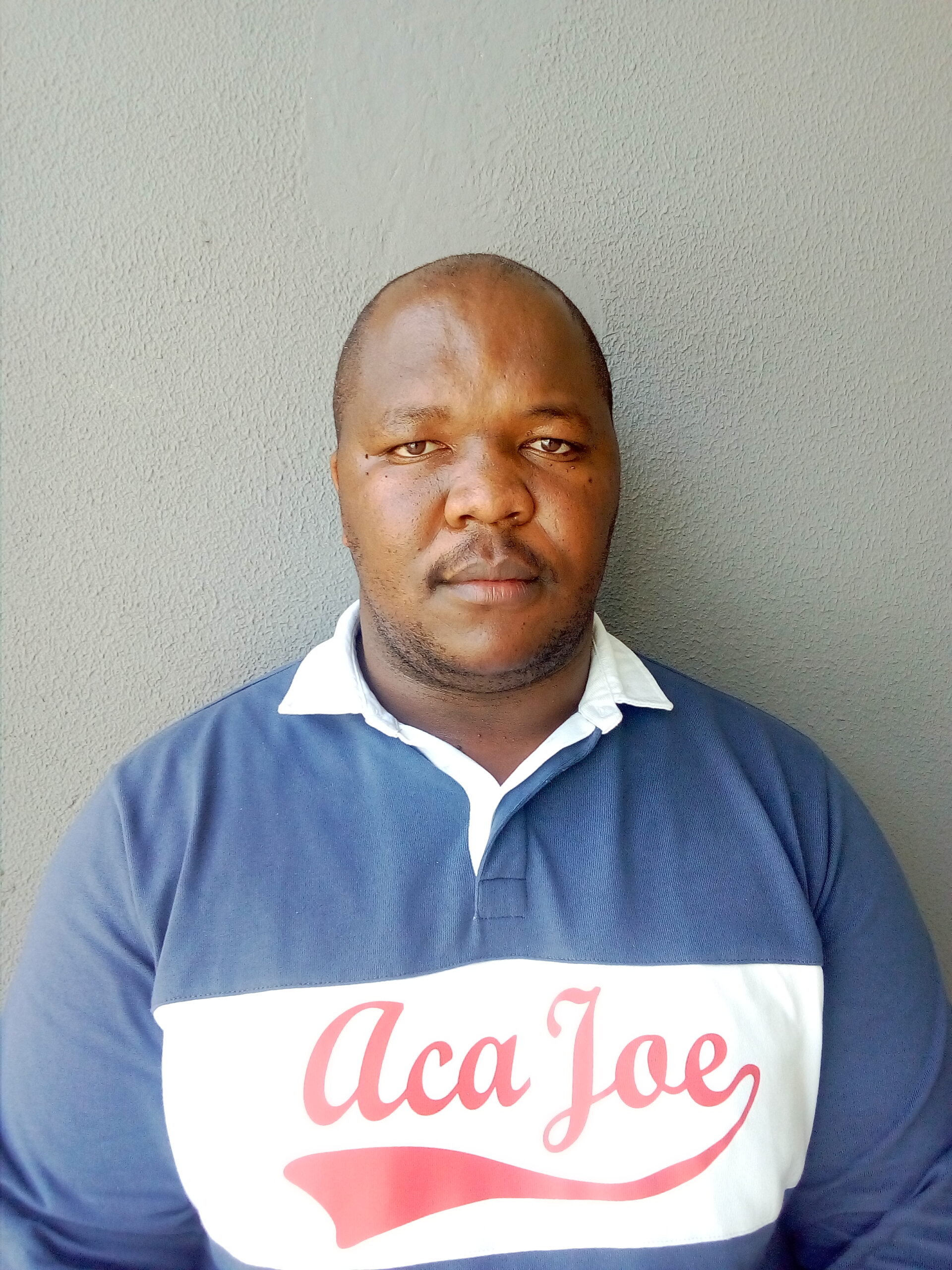
Thoboloko Ntšonyane is a dedicated journalist who has contributed to various publications. He reports on accountability, human rights, exposes corruption and wrong doing by those in power. He reports have exposed corruption, abuse of power, fraud, misconduct and negligence. He subscribes to evidence-based reporting. He reports on governance, parliament, courts, climate change, human rights, sexual and reproductive health rights (SRHR), health, business and agriculture. He gives a voice to the marginalised while also demanding accountability. His work inspires change, triggers dialogue and also promote transparency in a society.