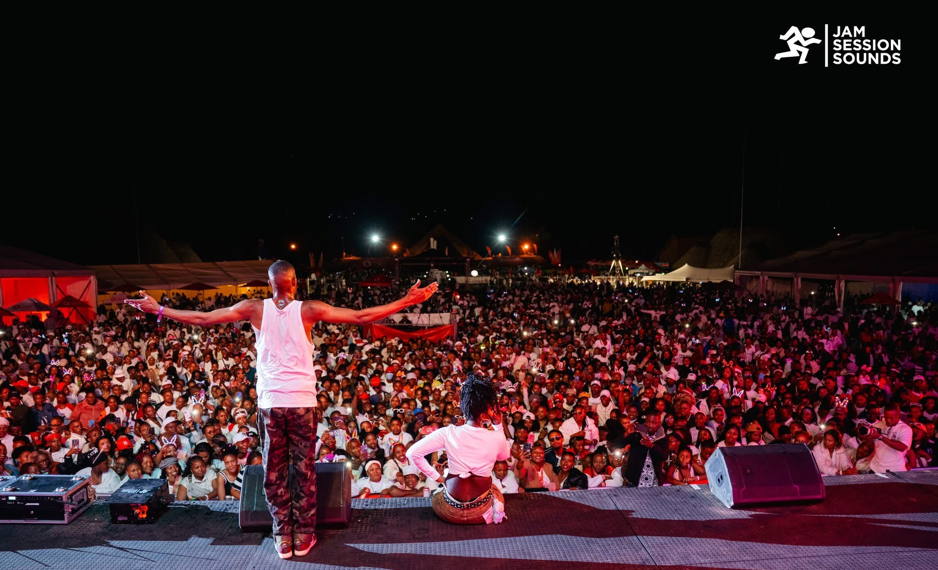
As 2025 draws to a close, Lesotho’s entertainment industry stands at a moment of reflection. On the surface, the sector appears livelier, louder and more visible than in previous years. From music releases and packed live events to brand activations and digital content, there is no shortage of activity.
Yet the central question remains: has this activity translated into real, sustainable growthor is the industry still surviving on individual hustle rather than a supportive system?
Music continues to dominate Lesotho’s entertainment landscape. In 2025, established names such as Ntate Stunna, Citizens, Sannere, Phoka Ea Boroa, Litšepe, Omali Themba, alongside dominant famo artists such as Ntate Mantša Thope Tse Khang, gospel performers such as Minister Spokes, Rorisang Motsamai and emerging hip-hop acts such as Ati Zee and Nixon Thabane, maintained a strong presence on radio, social media and live stages.
Radio stations such as Bokamoso 974, PC FM and Ultimate Radio, and new kids on the block, Mohale FM and Lekope FM, remained key platforms for promoting local music, while presenters and on-air personalities increasingly became influencers and brands themselves.
However, behind the popularity lies financial instability.
“I believe there was growth in terms of growing the business side for me as an artist, and the consensus is similar with most of my fellow artists I engage with,” said one Maseru-based recording artist, Omali Themba.
“We saw people pass over 2 million streams, and that was big for local artists. I also shone my light on other people in terms of working with other upcoming artists.”
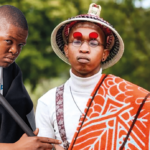
The performing arts from a cultural perspective did a lot more this year. We witnessed Sothokids Culture Agency travelling abroad to Japan for a week to showcase Lesotho along with Ntate Milo, Sannere and Citizeen Ls.
Sothokids also travelled to Northern and Eastern Europe, where they spent two months showcasing Lesotho culture. They would also be invited to Botswana to celebrate International Children’s Day.
“On my side, growth happened so much. I saw things happening in many ways I did not expect. These efforts, though, might be seen as small. They are actually big for our country to grow the creative industry,” said Talent Manager Makhebe Seatlana.
“We had a lot of corporate involvement and investment.”
While collaborations with South African artists boosted exposure for some Basotho musicians, industry insiders argue that these partnerships often benefit individuals rather than the local ecosystem. The visual arts sector recorded quiet but meaningful progress in 2025.
Pop-up exhibitions, creative markets and fashion showcases, mostly self-funded, created space for young artists to display their work. Digital platforms allowed artists to reach international audiences, but the sector remains largely unsupported.
“I think there is growth, and we are seeing a lot more appreciation from Basotho towards the creatives. Most of us are not waiting for permission anymore,” said a young visual artist who exhibited work in Maseru this yearat the 2nd Lesotho Arts Fair, Uncle Donze.
“We create, we sell online, we collaborate, and now we have an art gallery at Pioneer Mall, and we see the government starting to also invest in the arts sector.”
Despite this, the sector’s resilience points to untapped economic potential if properly supported. Live entertainment gained momentum in 2025. Music events, campus shows, corporate activations and beauty pageants attracted large audiences, reinforcing the idea that Basotho are willing to pay for entertainment when it is well-produced.
Pageantry remained particularly visible despite Miss Lesotho deciding not to host this year, rather putting all efforts and funding towards an international competition such as Miss Cosmo, which has sparked national conversation and pride, even as questions about funding and institutional support persisted.
“The appetite is there, Basotho want and have been hungry for the entertainment industry to grow. The challenge is sustainability. We plan event to event, sponsor to sponsor, instead of building long-term calendars,” said events organiser, Dj Thizozo.
Thizozo’s Soul, R&B and Comedy lifestyle event, which happens on a larger scale twice a year, during Easter weekend and in December, also got a boosting M3 million sponsorship from Nedbank Lesotho for a period of 3 years. The investment was well received by industry insiders and enthusiasts.
Some corporations increased their involvement in entertainment through sponsorships, radio partnerships and branded events. However, these engagements were mostly short-term.
Maluti Premium Lager was the talent sponsor for the National Music Awards, Econet Telecom Lesotho was still the main sponsor for Lecholi Mountain Drive, Vodacom Lesotho showed its muscle on a number of events such as Cleketseng, and All White Fashion Festival, as well as Maletsunyane Braai Fest. However, there’s still dissatisfaction in approach.
“Entertainment is still treated as an add-on, not an investment. Yet the same artists influence youth culture more than most advertising campaigns,” said a marketing professional involved in brand activations, who spoke on anonymity.
The absence of long-term corporate strategies continues to limit growth and professionalisation. Social media continued to reshape the industry in 2025. Radio personalities, content creators and entertainers used digital platforms to bypass traditional limitations and build direct audiences.
“Today, your phone can be your studio, your TV station and your marketing department. I think there is growth that is notable. We used to depend a lot on outside artists as headliners for events, but this year we started seeing our big events being headlined by local artists. But without data, structure and training, growth remains fragile,” said media personality, Patrick Motšoene.
The lack of serious arts journalism and industry data makes it difficult to measure progress beyond online engagement.
So, has the industry grown?
The consensus among industry players is clear: Lesotho’s entertainment industry has grown in creativity and confidence, but not yet in structure or sustainability.
“We are no longer asking whether Basotho are talented; that debate is over. The real question is whether the country is ready to take its creatives seriously as economic contributors,” said industry enthusiast, Raymond Mosoeu.
Summary
- In 2025, established names such as Ntate Stunna, Citizens, Sannere, Phoka Ea Boroa, Litšepe, Omali Themba, alongside dominant famo artists such as Ntate Mantša Thope Tse Khang, gospel performers such as Minister Spokes, Rorisang Motsamai and emerging hip-hop acts such as Ati Zee and Nixon Thabane, maintained a strong presence on radio, social media and live stages.
- “I believe there was growth in terms of growing the business side for me as an artist, and the consensus is similar with most of my fellow artists I engage with,” said one Maseru-based recording artist, Omali Themba.
- “We create, we sell online, we collaborate, and now we have an art gallery at Pioneer Mall, and we see the government starting to also invest in the arts sector.

A Professional Communications practitioner with a wealth of expertise in marketing, public speaking, communication and media relations. I believe in learning everyday and improving one’s personal and professional capabilities.
* A former journalist and radio host who is passionate about media and it’s impact on society.