
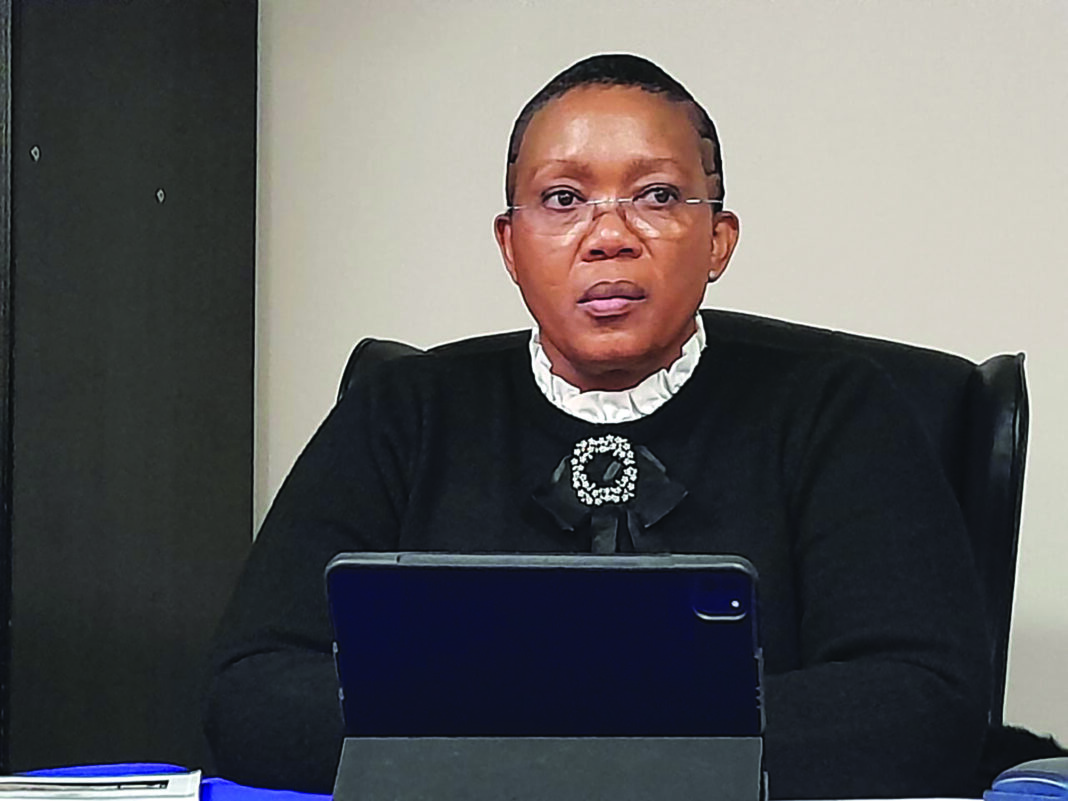
The Ombudsman has issued a landmark report calling for a comprehensive review of the 1986 treaty governing the Lesotho Highlands Water Project (LHWP), concluding that the current legal framework fails to adequately protect the rights and welfare of communities displaced by the multi-billion-dollar Polihali Dam.
In a 50-page investigation report following site visits and testimony from Mokhotlong district residents, Ombudsman Advocate Tlotliso Polaki found that while the project serves “national development priorities”, significant “procedural deficiencies” have left farming communities facing hardship.
The Ombudsman highlighted critical shortcomings in the governance and operational framework of the multi-billion maloti project, which is governed by the 1986 Treaty between Lesotho and South Africa.
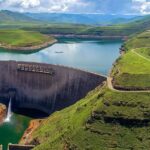
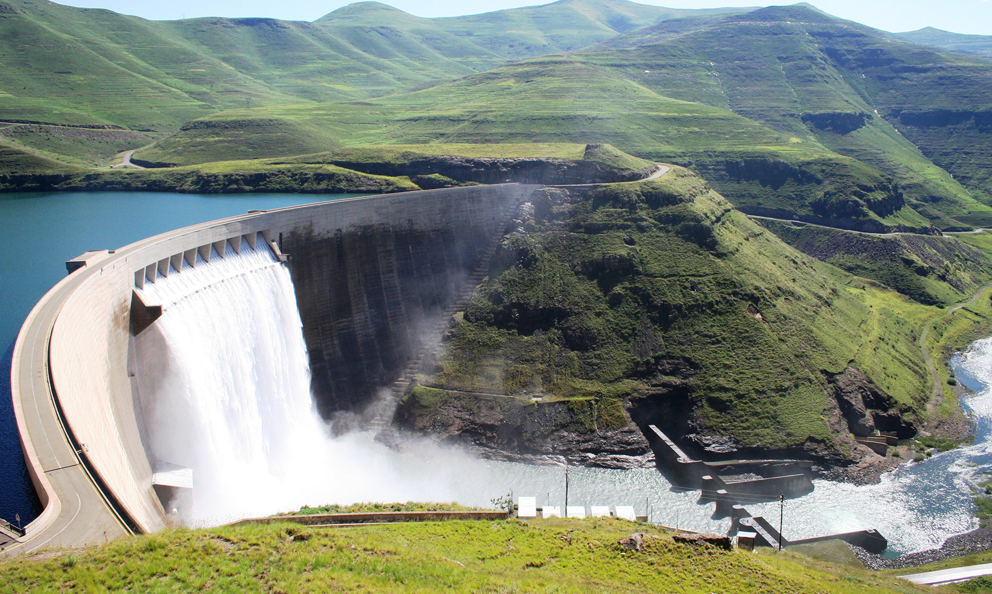
The project, implemented primarily through the Lesotho Highlands Development Authority (LHDA), involves large-scale dam construction, water transfer to South Africa, and hydroelectric power generation in Lesotho.
Phase II, including the Polihali Dam, continues to displace communities and spark complaints over compensation, resettlement, environmental impacts, and disruptions to livelihoods.
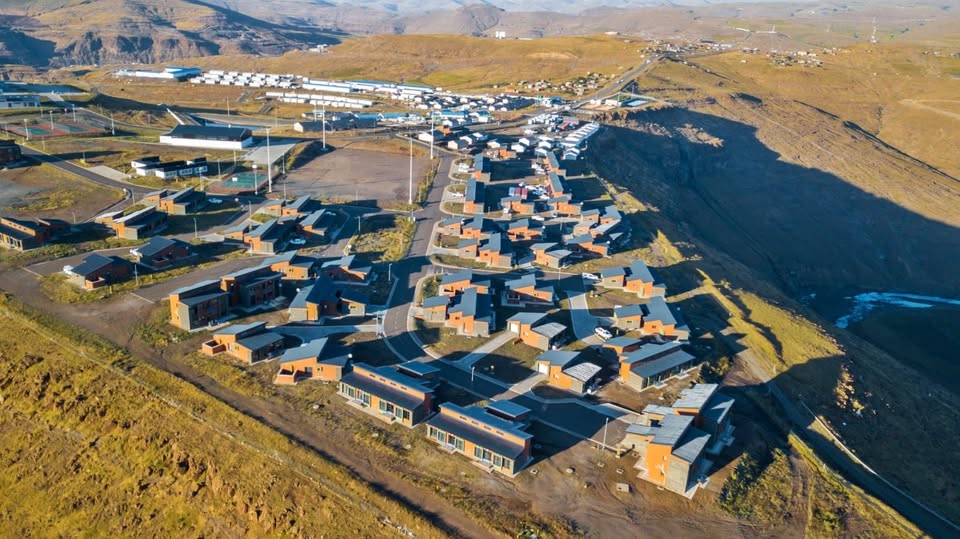
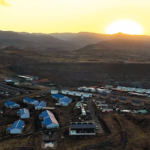
Newly constructed villages near Polihali stand as symbols of relocation under the Lesotho Highlands Water Project, amid growing calls for fair compensation, stronger community protection, and a review of the 1986 Lesotho–South Africa water treaty.
The recommendations for the review of the Treaty appear in section 8.3 Recommendations for Legislative and Regulatory Reform of the report.
They focus on operationalising key legal instruments and reviewing the foundational Treaty itself.
On secondary legislation, the Ombudsman stated: “The Minister responsible for water affairs should issue secondary legislation in the form of regulations determining operational responsibilities to implement the LHDA Order of 1986 and its amendments.
“These are crucial for operationalising LHWP around land acquisition and other administrative functions and should cover the management and implementation of the LHDA, ensuring fulfillment of Treaty duties. This should be undertaken within twelve months (12) from the issuance of this report.”
The LHDA Order of 1986 established the Authority as the body responsible for implementing the Lesotho portion of the project.
However, the Ombudsman found that the absence of detailed regulations has hampered effective land acquisition processes and day-to-day administration, contributing to delays and disputes with affected communities in areas such as Mokhotlong and other highlands districts.
The report further called for a comprehensive review of the 1986 Treaty: “The Treaty should be reviewed in all aspects to address existing shortcomings to foster a more equitable, development-oriented partnership.
“Due to ongoing issues, the Treaty should be reviewed to address shortcomings in protecting rights and welfare of affected communities, focusing on improving compensation and addressing environmental impacts and gender-based considerations.”
This recommendation echoes long-standing concerns raised by civil society organisations, including the Seinoli Legal Centre, and communities affected by both Phase I (Katse and Mohale dams) and the ongoing Phase II works.
Critics have argued that the original Treaty prioritises water delivery to South Africa and revenue for Lesotho (in the form of royalties and electricity sales) while insufficiently safeguarding the rights of vulnerable mountain communities, particularly women who often bear disproportionate social and economic burdens from displacement and environmental changes.
Homes damaged, health affected, livelihoods disrupted
The Ombudsman’s investigation documented physical damage to housing. The report states: “The Ombudsman’s team established during an inspection at Masakong and Ha Tlhakola that houses had cracks as alleged, while one had totally collapsed.”
One resident, ‘Masebenzile Lengoasa, disclosed that “her house started cracking in 2023 during tunnel construction and blasting” and that “the house collapsed on 5th November 2024,” though her husband “escaped without injuries.”
According to the LHDA’s submissions, 48 damaged houses have been repaired, 28 under the Dam Project and 20 under the Tunnel Project. However, the report notes that a “Non-Conformance Report (NCR) was issued to the Resettlement Housing Contractor for proceeding with blasting activities in Masakong without first completing the required asset condition survey.”
Residents reported significant environmental impacts. While some villagers indicated dust pollution “was not excessive and was manageable,” the investigation established that in Tsekong village, “most of the dust blew in their direction and has resulted in respiratory illnesses for some of the children and residents.”

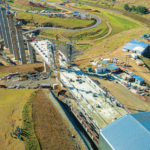
The tunnel that will transfer water from Lesotho’s highlands to South Africa under the LHWP Phase II project during construction in Mokhotlong district.
The report further states that “noise during blasting was consistently described as unbearable.” The Ombudsman recommended that “professional-grade sound barriers” be installed along residential borders of the site, “particularly for villages like Masakong and Ha Tlhakola in close proximity to construction.”
Beyond physical damage, the report describes deeper losses.
“For affected households and communities, land loss represents not merely a financial transaction but the severance of cultural and ancestral connections.”
Residents expressed that “livelihoods had been disrupted, leading to food insecurity through loss of grazing land, agricultural fields, and access to natural resources.”
The report also documented concerns about “loss of access to medicinal herbs, wild foods, and traditional brushwood (fuel),” noting that these are “rarely compensated at rates allowing for modern replacements (electricity/gas).”
Treaty’s ‘not inferior’ standard found wanting
The 1986 LHWP Treaty contains a binding obligation.
As quoted in the report: Article 7, Paragraph 18 “explicitly stipulates that the project must ensure affected people are ‘enabled to maintain a standard of living not inferior to that obtaining at the time of first disturbance.’”
The report describes this as “a binding obligation on both governments and implementing authorities.”
However, the Ombudsman found this threshold problematic. The report states: “The ‘not inferior’ threshold in the Treaty is considered by some too low a bar for a multi-billion-dollar project. Modern best practices suggest affected people should be active beneficiaries of project wealth.”
The investigation further found that “the standard of living of many communities transitioning from self-sufficiency farming to cash dependency carries the risk of long-term poverty when cash reserves run out.”
The Ombudsman concluded that “the LHDA generally meets its procedural obligations (it has a policy, holds meetings, and makes payments). However, it often struggles with substantive obligations — specifically ensuring that the quality of life for affected communities actually improves or remains stable over the long term.”
The report also raised concerns about the 50-year compensation period. Residents “argue should be lifetime or 99-year entitlement to ensure intergenerational security.”
The Ombudsman recommended that the LHDA “re-evaluate compensation packages for affected families already compensated in Mokhotlong district and adjust for market value or lost income.”
Compensation delays dating back to 2012
As of 31 December 2025, Phase I compensation arrears stood at M142,227,353.59, with “Future Compensation Costs” of M473,071,149.91.
Phase II arrears were M6,760,710.74, with future costs of M24,997,942.40.
The report states: “The allegation that there have been unreasonable delays in compensation disbursements is substantiated. Complaints dating back to 2012 remain unresolved, and delays have caused significant financial distress and insecurity.”
One community representative raised a specific grievance: “In 2012, the LHDA affected a total of 69 community thickets and fuel trees where land was acquired for dam construction, yet no compensation has been paid. The LHDA’s response was that money would remain in the custody of the Authority.”
Another resident alleged that “grazing land has been affected but no compensation has been made.”
Regarding compensation adequacy, the Ombudsman found: “The allegation that compensation rates are inadequate and insufficient to sustain long-term livelihoods is partially substantiated.”
The report noted that “compensation based on the 2017 Policy utilises land valuation rates that fail to reflect current market value or future income loss.” Some households, the investigation found, “were forced to relocate without adequate compensation or livelihood restoration.”
The Ombudsman also documented confusion among community members. “There is a lack of clear understanding that exists between communal and individual household compensation beneficiaries,” the report states, noting “the influx of communal compensation complaints received.”
The policy stipulates that compensation for communal assets such as grazing land, brushwood, medicinal plants, useful grasses, and wild vegetables “will be made available for investment in community development and managed by the LHDA,” but this provision appears poorly understood by affected residents.
Summary
- The Ombudsman has issued a landmark report calling for a comprehensive review of the 1986 treaty governing the Lesotho Highlands Water Project (LHWP), concluding that the current legal framework fails to adequately protect the rights and welfare of communities displaced by the multi-billion-dollar Polihali Dam.
- The Ombudsman highlighted critical shortcomings in the governance and operational framework of the multi-billion maloti project, which is governed by the 1986 Treaty between Lesotho and South Africa.
- Critics have argued that the original Treaty prioritises water delivery to South Africa and revenue for Lesotho (in the form of royalties and electricity sales) while insufficiently safeguarding the rights of vulnerable mountain communities, particularly women who often bear disproportionate social and economic burdens from displacement and environmental changes.

Ntsoaki Motaung is an award-winning health journalist from Lesotho, specializing in community health stories with a focus on sexual and reproductive health and rights, as well as HIV. She has contributed to platforms like “Be in the KNOW,” highlighting issues such as the exclusion of people with disabilities from HIV prevention efforts in Lesotho.
In addition to her journalism, Ntsoaki serves as the Country Coordinator for the Regional Media Action Plan Support Network (REMAPSEN). She is also a 2023 CPHIA Journalism Fellow.