

Rural women in Lesotho continue to struggle to exercise their rights because of limited access to information, awareness campaigns and support services, Hope for Rural Women Assembly (HRWA) Lesotho has said.
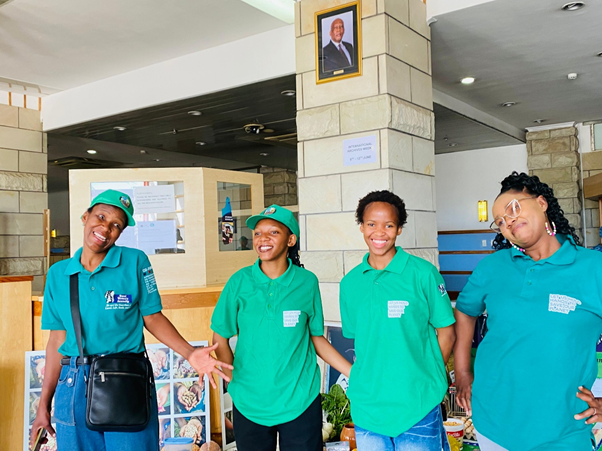
The organisation raised the concerns on Wednesday at the State Library, during commemorations of International Day of Rural Women. Women from different districts gathered to discuss issues affecting their lives, share personal experiences and showcase traditional foods and indigenous seeds.
Discussions focused on gender equality, land and property ownership, access to resources and the need to ensure that rural women understand the laws meant to protect them.
HRWA Lesotho General Secretary ‘Mamalefetsane Phakoe said many rural women lacked sufficient information about their rights because awareness campaigns and educational programmes were often concentrated in urban areas.
As a result, she said, women in rural communities were sometimes unaware of the legal protections available to them and did not know where to seek help when faced with problems. Some were also unfamiliar with improvements in laws designed to protect them, leaving them vulnerable to having their rights compromised.
Phakoe said rural women often had few opportunities to access information or speak to people who could guide them. She also highlighted the lack of safe homes where women in difficult circumstances could seek protection and support.
She stressed the importance of taking awareness campaigns beyond towns and into rural communities so that women learn about their rights and the support services available to them.
Phakoe also pointed to the organisation’s commemoration of International Day of the Girl Child in Leribe, which was held there because of concerns about underage marriage in the district. She said the need for continued community education was clear, so that women and girls understand their rights and are better equipped to seek protection when those rights are threatened.
The consequences of limited knowledge about gender equality were illustrated by Manteboheleng Kheo, who described how a lack of awareness had shaped her understanding of property ownership within her marriage.
Kheo said she bought a cow but registered it in her husband’s name because she believed that, as his wife, she was expected to place her property under his ownership. She later realised the decision had left her with little control over the animal, since her husband could decide what to do with it, including selling it.
“I bought a cow and registered it in my husband’s name. As a result, it became his property and he could do whatever he wanted with it, while I had no control over it,” Kheo explained.
She said she had made the decision without understanding her rights and would have registered the cow in her own name had she known she could.
Her experience reflected the concerns raised at the gathering about the importance of educating rural women on gender equality and their rights within households and communities.
Deputy Speaker of the National Assembly, T’sepang ‘Matlohonolofatso T’sita Mosena, called for practical action on the challenges raised, saying discussions should lead to tangible progress.
Mosena said she had intended to spend the entire day with the participants but could not because of another meeting. She stressed, however, that such gatherings should go beyond talk to ensure that the concerns raised are addressed.
She recognised the important role rural women play in sustaining the country through food production and protecting local food systems, saying their contribution deserved greater recognition. She also emphasised the need for cooperation between the government and Parliament so that issues affecting rural women reach the relevant institutions and receive attention.
“We need to see progress,” she said, urging that the concerns raised by rural women translate into meaningful change.
Mosena added that rural women should be recognised not only on a day dedicated to them but through continued efforts to acknowledge their contribution to society and address the challenges they face.
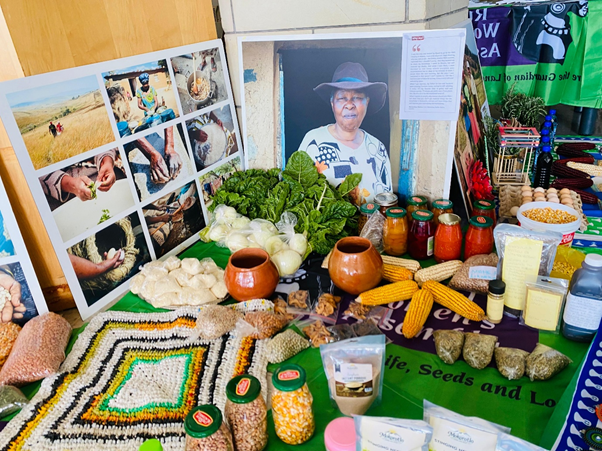
Alongside the discussions, participants showcased traditional foods and indigenous seeds as part of efforts to preserve Lesotho’s cultural heritage and promote food security.
The exhibition was held under the theme: Our food, our tradition, respect it. Our seed, our culture, we will protect it. Participants were encouraged to bring traditional seeds, particularly sesiu, to highlight the importance of indigenous crops and the preservation of local agricultural practices.
The showcase demonstrated the role rural women play in maintaining traditional food systems and contributing to the country’s food supply.
The commemoration also coincided with preparations to mark World Food Day on 16 October, which draws attention to food security and the contribution of rural communities to food production.
Summary
- She said, women in rural communities were sometimes unaware of the legal protections available to them and did not know where to seek help when faced with problems.
- Her experience reflected the concerns raised at the gathering about the importance of educating rural women on gender equality and their rights within households and communities.
- Mosena added that rural women should be recognised not only on a day dedicated to them but through continued efforts to acknowledge their contribution to society and address the challenges they face.

A passionate and dedicated journalism practitioner with an interest in telling stories that inform, educate and give people a voice.
Committed to producing credible and meaningful journalism while continuously improving research, writing and communication skills. Eager to learn from experienced media professionals, take on new challenges and grow into a well-rounded journalist who makes a positive contribution to society through responsible reporting.