
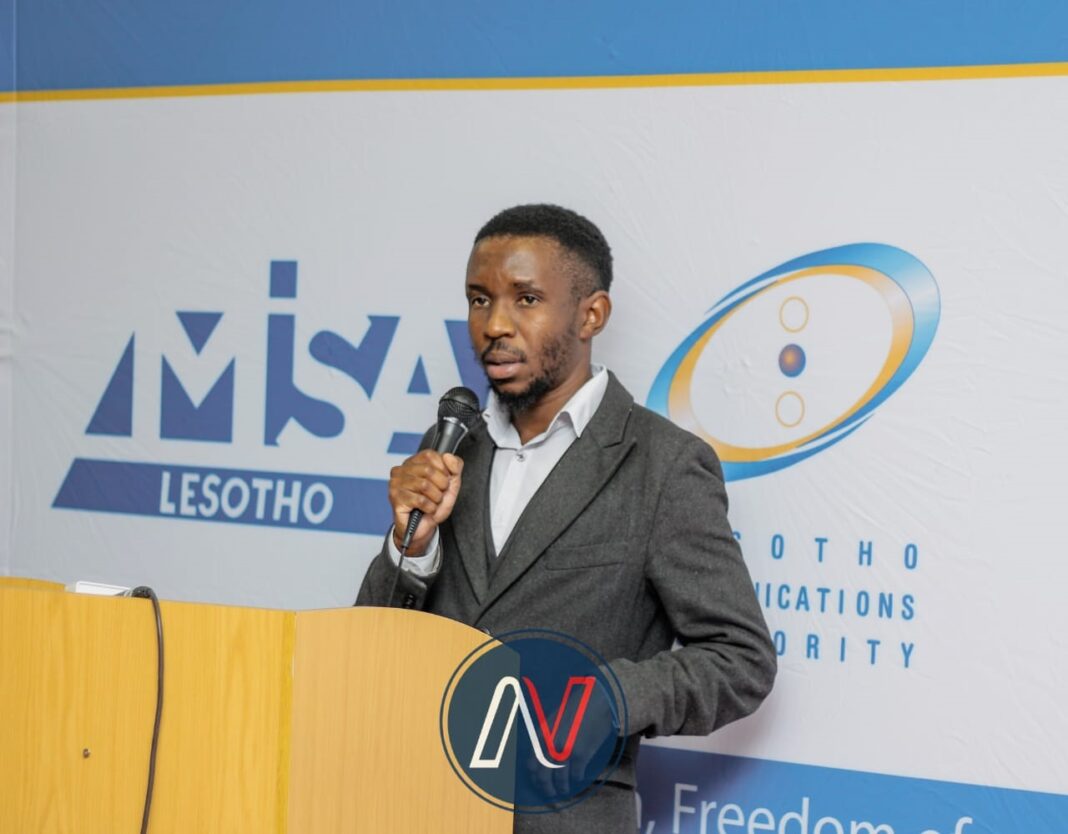
Some people have been asking me what I will be doing now that I am no longer part of the MISA Lesotho leadership. I actually appreciate the question because it shows that those asking believe I am capable of more than just going to work every day and doing nothing else. Honestly, that would be a terrible waste of both my time and my abilities. So I will be doing something meaningful.
Last year, in April, we launched the Youth Dialogues on Economic Independence. We travelled across districts like Maseru, Mohale’s Hoek, Mafeteng, Berea, Leribe, and Qacha’s Nek, meeting young people and giving them a platform to freely share their thoughts on how Lesotho can achieve real economic independence. The idea was simple but ambitious: to listen to the youth, take their views seriously, and turn them into a Youth Charter that we would launch as part of our independence celebrations in October this year. But as we continued, it became clear that we should aim even higher. What we were hearing was not a short list of complaints or temporary demands. It was a longing for something deeper and more lasting. Young people were not just asking for a few jobs or a small loan. They were asking for a different kind of country altogether.
That is why this should not just be a charter for now. It should be a long-term vision for Lesotho, reaching all the way to 2066, when our country will celebrate one hundred years of independence. The document must outline what must be done in the next forty years to ensure that the political independence we gained in 1966 grows into true economic independence, as well as independence in education, health, infrastructure, and opportunity. For too long, we have celebrated the flag and the anthem while remaining dependent on others for food, for jobs, for capital, and even for our own sense of possibility. Agenda 2066 is the bridge between the freedom we were given and the freedom we must build for ourselves.
Why is such a long-term plan so essential, especially now? The answer lies in the painful lesson of the past sixty years. Without a clear, shared, and enduring destination of their own making, the people of Lesotho have been forced to run after politicians who rise and fall with every election, every coalition collapse, and every wave of disappointment. These politicians arrive with smooth tongues and colourful manifestos, promising factories that never open, roads that never reach the villages, and jobs that never materialise. They invoke the name of Morena Moshoeshoe the Great and speak of Basotho dignity, yet they govern through patronage, corruption, and short-term survival rather than long-term vision. And why do they succeed, cycle after cycle? Because the people do not have a fixed plan of their own. When you do not know exactly what you want, any charismatic liar can point in any direction and call it leadership. But when you have a forty-year plan written by you, debated by you, and owned by you, politicians no longer lead you. They serve you. They are judged not by their speeches but by their measurable progress toward your chosen horizon. That is the end of running after liars.
This Agenda 2066 must be revolutionary, transformative, and radical. For this country to truly move forward, it cannot be handled with gloves. A gentle plan gets ignored when the next crisis arrives. A cautious plan gets rewritten by every new minister. A vague plan becomes a playground for empty promises. What we need instead is a plan that is specific, binding, and defended by the people themselves. Imagine if every district, every university, and every trade union has debated Agenda 2066 and made it their own. Imagine if political parties must publish annual scorecards showing how their actions have advanced or hindered the plan. Then, when a politician stands before a crowd and lies, promising a factory that will never come, the people will no longer cheer or wait. They will ask, calmly and firmly, where is that factory in our forty-year plan? Show us the milestone. Show us the budget. Show us the timeline. Otherwise, step aside. That is not anger. That is the quiet power of a people who know exactly what they want.
Importantly, this Agenda 2066 must also incorporate the aspirations of the African Union’s Agenda 2063. For Agenda 2063 to truly become a reality, it is essential for member states to localise its goals and ambitions. This means aligning Lesotho’s own long-term plans with the broader vision of Africa’s development, so that we contribute meaningfully to continental progress while addressing our unique national challenges. Lesotho cannot afford to be a passive observer of Africa’s rise. When the continent builds high-speed rail networks, we must be connected. When the African Continental Free Trade Area expands, we must have goods to sell. That requires foresight, not last-minute scrambling. By grounding our national plan in the continental vision, we declare that Lesotho is not a small country to be ignored. We are a nation with a plan that fits into Africa’s transformation.
To make sure every voice is heard, we are now planning to visit the remaining districts, Mokhotlong, Thaba-Tseka, Botha-Bothe, and Quthing. We will listen to young people across the entire country, include their ideas, finalise the document, and launch it in October as part of the independence celebrations. This is what we are calling Agenda 2066, a plan created by us, for us, without interference from politics, religion, or other interests. No political party owns it. No church blesses it exclusively. No foreign donor directs it. It belongs to the young people of Lesotho, and through them, to all Basotho who refuse to spend another sixty years wandering after liars.
After the launch, our work will continue. We want to do everything we can to ensure that this vision is realised, not just celebrated and forgotten. That means building citizen assemblies, training local monitors, using community radio and social media to track progress, and holding every elected official accountable to the milestones of Agenda 2066. And when Lesotho celebrates one hundred years of independence, I want to be proud knowing that I played a part in creating the Lesotho we all deserve, a country that is stronger, fairer, and economically free. More than that, I want every young person who sat with us in a hall in Mokhotlong or Qacha’s Nek to feel that same pride, because they did not wait for a saviour. They built a plan. They refused to waste their time or their talents. And because of that, they finally stopped running.
Summary
- The document must outline what must be done in the next forty years to ensure that the political independence we gained in 1966 grows into true economic independence, as well as independence in education, health, infrastructure, and opportunity.
- For too long, we have celebrated the flag and the anthem while remaining dependent on others for food, for jobs, for capital, and even for our own sense of possibility.
- When a politician stands before a crowd and lies, promising a factory that will never come, the people will no longer cheer or wait.
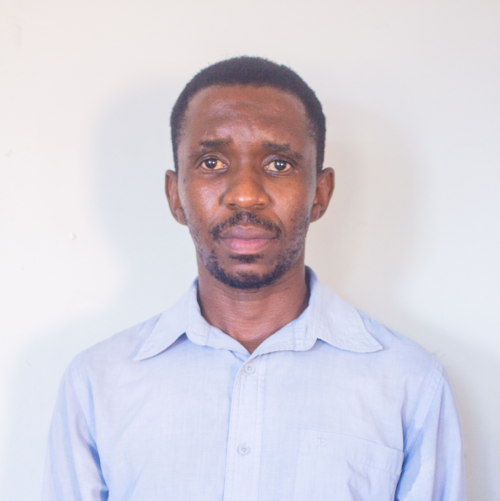
Lesotho activist and journalist who is the Chairperson of the Media Institute of Southern Africa (MISA) Lesotho. He is an International Visitor Leadership Program (IVLP) alumnus.
Boloetse is driven by the need to protect and promote the rights of others, especially the marginalized segment of society. He rose to prominence as an activist in 2018 when he wrote to Lesotho communications Authority (LCA) asking it to order Econet Telecom Lesotho (ETL) and Vodacom Lesotho (VCL) to stop charging expensive out-of-bundle rates for data when customers’ data bundles get depleted.