
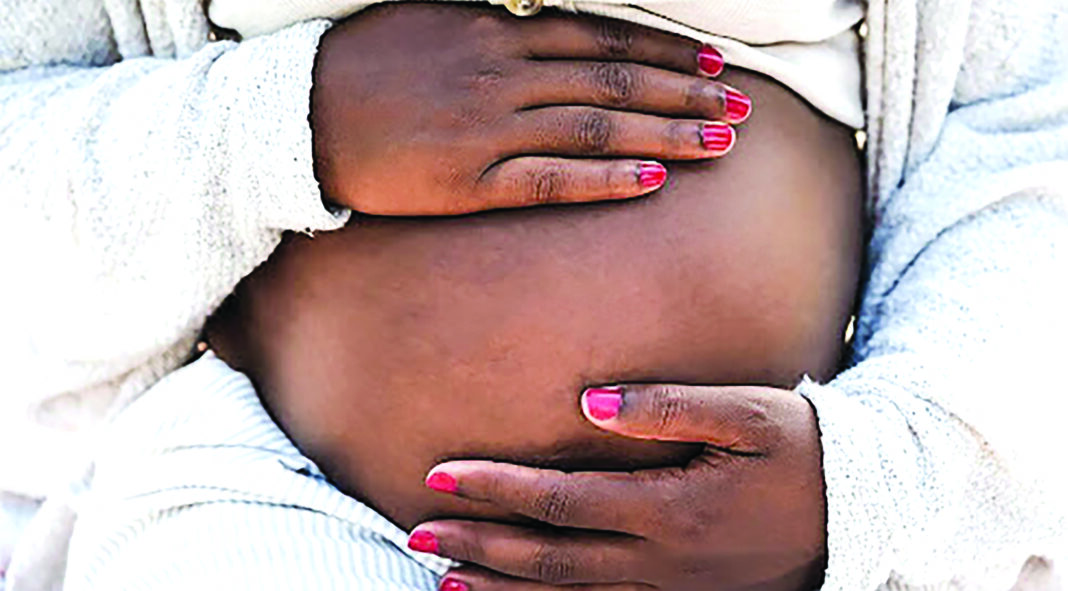
The numbers are as shocking as they are heartbreaking. In Africa, a 15-year-old girl faces a 1 in 57 chance of dying during pregnancy or childbirth.
To put that into perspective, a girl the same age in Australia has a risk of just 1 in 21,000. This massive difference is not because Africa lacks the medical knowledge to save lives.
It is, according to top leaders from the United Nations (UN) and the African Union (AU), a moral failure rooted in broken systems rather than a lack of science.
Every single day, on average, more than 700 women die globally from causes linked to pregnancy and childbirth. Africa alone accounts for a staggering 70 percent of these maternal deaths. The tragedy is that most of these lives could be saved with simple, timely care and access to quality supplies.
The heads of UNFPA, the African Union, AUDA-NEPAD, and the UN Economic Commission for Africa recently released a joint statement highlighting that the glaring injustice of maternal deaths in Africa often stems from basic logistical failures.
They argue that “A woman does not die because we cannot save her, she dies because the ambulance has no fuel.” Other times, the supplier was not paid on time, or life-saving medicines remain stuck in a warehouse instead of reaching the clinic.
These are simple but life-or-death issues: whether a family can find transport, whether a midwife is on duty, or whether the clinic cupboards are stocked.
In Lesotho, the situation reflects these broader continental challenges. According to the 2023/24 Lesotho Demographic and Health Survey (LDHS), the maternal mortality ratio stands at 530 deaths per 100,000 live births.
While this is an improvement from the 1,024 deaths reported in the 2014 survey, it remains significantly higher than the global target of 70 deaths per 100,000 live births.
The data reveals a startling gap between service use and actual health outcomes. In Lesotho, 92 percent of births are attended by skilled health personnel and 86 percent of deliveries take place in a health facility. Furthermore, 82 percent of women attend at least four antenatal care visits.
Despite these high coverage figures, women continue to die at alarming rates, often due to postpartum haemorrhage. This suggests that the issue is not a lack of women seeking help, but rather suboptimal quality of care and the inability of facilities to manage emergencies effectively.
Only seven African countries are currently on track to meet the global goal of reducing maternal deaths.
In places like Lesotho, overcoming these hurdles requires ensuring that every clinic is part of a well-supported system where midwives are equipped with the tools and skills to quickly diagnose and treat complications.
The authors of the joint statement believe Africa can lead its own way out of this crisis. They point to a New Public Health Order that moves away from heavy reliance on international aid and focuses on an African-led agenda.
This includes enabling African countries to produce their own high-quality medicines through dynamic local pharmaceutical manufacturers and building strong intra-African supply chains.
As the leaders stated, “We have the knowledge and resources to end preventable maternal mortality today.”
The roadmap exists, but it requires strong political will to fix the systems that are currently failing mothers. When a mother survives, her whole family and the economy benefit. Every dollar invested in family planning can yield up to $27 in economic returns.
As the leaders noted, “the failure to act is the most expensive choice of all. If we are serious about a sustainable future, we must ensure childbirth is a safe, empowering experience for every woman.”
Summary
- It is, according to top leaders from the United Nations (UN) and the African Union (AU), a moral failure rooted in broken systems rather than a lack of science.
- The heads of UNFPA, the African Union, AUDA-NEPAD, and the UN Economic Commission for Africa recently released a joint statement highlighting that the glaring injustice of maternal deaths in Africa often stems from basic logistical failures.
- While this is an improvement from the 1,024 deaths reported in the 2014 survey, it remains significantly higher than the global target of 70 deaths per 100,000 live births.

Ntsoaki Motaung is an award-winning health journalist from Lesotho, specializing in community health stories with a focus on sexual and reproductive health and rights, as well as HIV. She has contributed to platforms like “Be in the KNOW,” highlighting issues such as the exclusion of people with disabilities from HIV prevention efforts in Lesotho.
In addition to her journalism, Ntsoaki serves as the Country Coordinator for the Regional Media Action Plan Support Network (REMAPSEN). She is also a 2023 CPHIA Journalism Fellow.