
In Lesotho, many women carry an invisible burden. It is a disease that mimics others, steals energy, skin and hair, and is often dismissed by communities as just a simple cold, “serame”.
This is the reality of Systemic Lupus Erythematosus (SLE), commonly known as Lupus.
For Khothatso Maoela, the battle began not with a clear diagnosis, but with the joy of new life that soon turned into a nightmare of physical pain. Her story was among those shared during a recent Lupus awareness gathering organised by the Lupie Love Foundation.
The event sought to shine a light on a disease that the Ministry of Health acknowledges has remained invisible for too long.
Maoela’s journey into chronic illness started in 2023. At the time, she did not even know she was pregnant. Feeling unwell, she visited a health facility and was shocked to learn she was already seven months pregnant.
The pregnancy was far from joyful. She was constantly ill. When the time came to deliver, she underwent a C-section, but her body refused to heal.
“The wound did not heal,” Maoela recalled. “I was in and out of hospital because the wound kept getting infected. At one point, I was admitted for care of the C-section wound until it healed.”
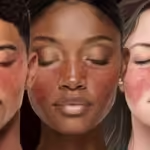
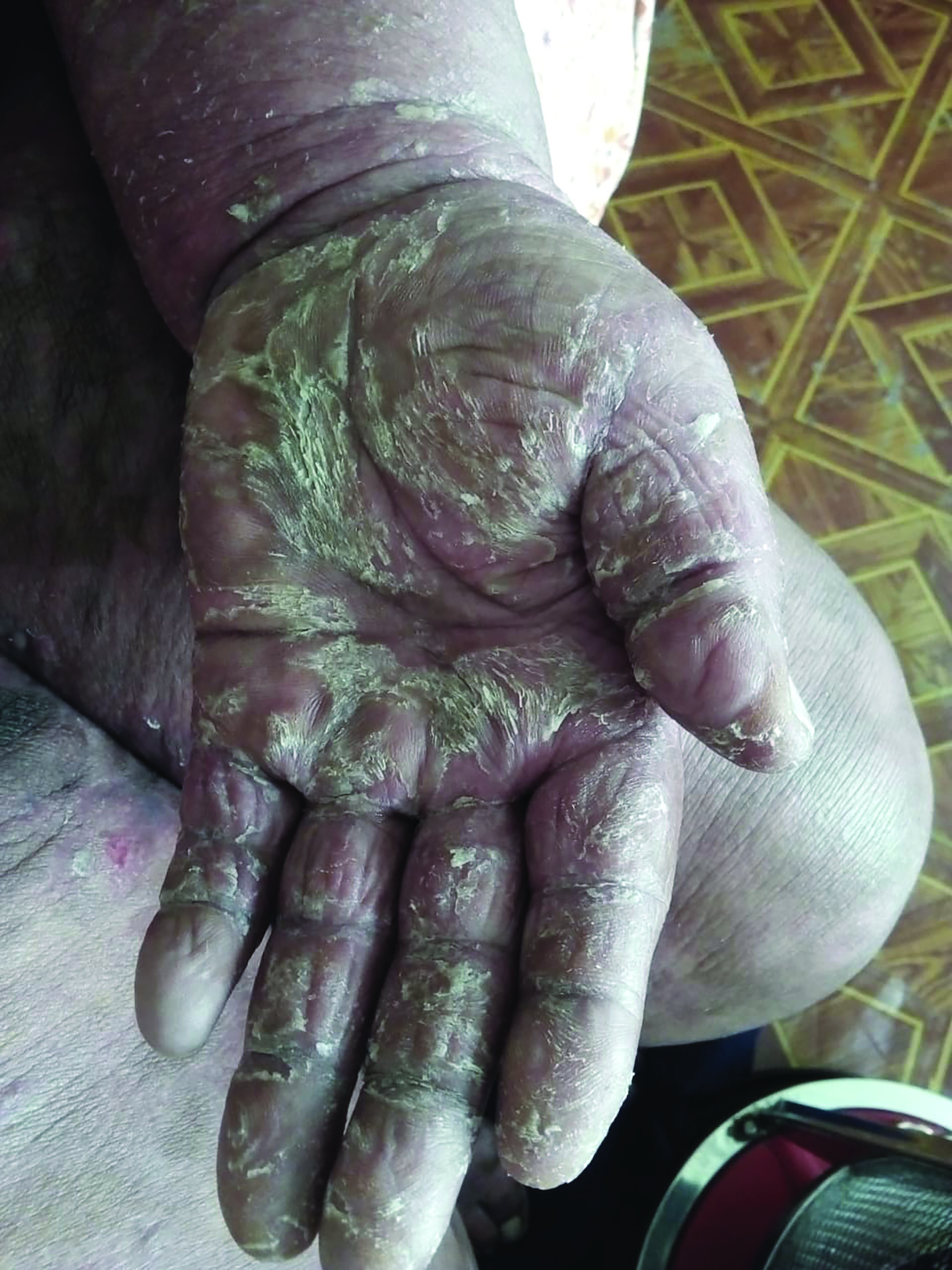
Just three months into her time as a nursing mother, locally known as “setsoetse,” her symptoms took a frightening turn. Painful black spots appeared on her body, even under her feet, making it impossible to walk. A distinctive butterfly rash spread across her face, leaving her skin pink and raw.
Perhaps more painful than the physical symptoms was the lack of understanding from the medical community. When she sought help for the facial rash, she was met with judgment rather than treatment.
“When I got to the hospital, I would be told I use dangerous creams on my face,” Maoela said. “I went to the hospital every week while still a nursing mother. I tried many facilities. When I had to explain what was wrong, I didn’t know what to say because my whole body was in pain.”
This confusion is common. According to the Centers for Disease Control and Prevention (CDC), Lupus is a long-term autoimmune disease that can affect almost any part of the body. Its symptoms, fatigue, joint pain, rashes and more, mimic many other illnesses, making diagnosis notoriously difficult.
For Maoela, the breakthrough came at Baylor Clinic, where a doctor finally gave her suffering a name: Lupus. He explained it simply as “masole a mmele a itoantšang,” the body’s immune system fighting itself.
As the disease progressed, Maoela found herself trapped in a rapidly failing body. Doubt from peers and the high cost of private healthcare made her question the diagnosis at first, but her body would not let her deny the truth.
Even with a name for her condition, financial barriers blocked her path. Referred to Queen ‘Mamohato Memorial Hospital (QMMH) for tests, she was told the facility could not perform them. She was directed to private labs, where the costs were overwhelming.
“When I got to the lab, I found out that their fees were expensive,” she explained. Influenced by friends and neighbours who insisted it was just “serame”, she tried to convince herself they were right.
“I told myself that and decided to rule out that it is Lupus.”
But the disease could not be ignored. Her condition worsened until she could barely move because of the pain. Her teeth felt loose, blood and pus filled her mouth, making it impossible to eat. Her hair fell out in clumps. At times, her cognitive function was so affected that she could not understand what her friends were saying, it felt like they were speaking a foreign language.
“I was so sick that when I went to hospital, they would tell me there is nothing they can do. They didn’t even know what medication to give me because they couldn’t say what was wrong,” she said.
“I decided not to go for tests because they were expensive.”
Eventually, she had no choice. Taken to a private facility, she was told upon arrival that she had Lupus. Tests were later done to confirm the diagnosis, and her healing journey began.
The struggles Maoela faced are echoed by medical professionals in Lesotho. Dr Makamole Lelimo explained that Lupus is a disease in which the immune system loses its ability to distinguish between foreign invaders and the body’s own healthy cells.
“Imagine that every one of those soldiers is attacking itself,” Dr Lelimo noted. He highlighted that the disease is deeply gendered, with approximately 9 out of 10 people diagnosed being women, and it disproportionately affects people of African descent.
Sejojo Pharoe, a Cancer and Palliative Care Advocate, added that while the exact cause of Lupus remains unknown, it is linked to genetics, environmental factors such as ultraviolet light, and hormonal shifts, particularly high estrogen levels. This partly explains why Maoela’s symptoms intensified during and after pregnancy.
The World Health Organisation (WHO) Country Disease Outlook for Lesotho (2023) shows that Non-Communicable Diseases (NCDs) now account for 45 percent of deaths in the country. While Lesotho has made progress against HIV and TB, rare and chronic conditions like Lupus continue to fall through the cracks.
Dr Llang Maama, Acting Director General of Health Services, admitted that the medical community has often missed Lupus.
“With my more than 30 years of practice, I saw a Lupus patient once. Most of the time, it is invisible. We focus on infectious diseases, and we may not think of Lupus unless we are aware of it.”
The financial burden remains one of the greatest challenges. Private tests can cost more than M6,000, while weekly medication can reach M2,000. In a lower-middle-income country like Lesotho, where GDP per capita is roughly US$1,107, such costs are devastating for many families.
In response to this gap, the Lupie Love Foundation was established. Its founder, Thembeka Mokhalinyane, started the organisation from personal experience after her own Lupus diagnosis last year.
“Last year at this time, life took a turn,” Mokhalinyane shared. “May is Lupus awareness month, and I was diagnosed last year in the same month.”
The foundation provides the community support that Maoela says is essential. “Lupus affects every aspect of life, including mental health,” she admitted. “As of now, I can forget where I am going. As patients, we need support from family, at home and at work.”
Khothatso Maoela’s story is not only one of sickness. It is a call to action for the Lesotho government to make necessary medications available in public facilities and to train clinicians to recognise the invisible signs of Lupus early.
Despite cracked skin, memory loss, and the butterfly rash that marks her face, Maoela continues to rise. She has moved from not knowing why her body was failing her to becoming a voice for others suffering in silence, often dismissed as having a mere cold.
As Dr Maama said during the World Lupus Day commemoration, the Ministry of Health is committed to ensuring rare diseases are better understood, protected, and treated.
For Maoela and the “Lupies” of Lesotho, visibility is the first step. Until then, they lean on one another, their resilience, and the hope that one day their bodies will stop fighting them so they can live in peace.
Summary
- The event sought to shine a light on a disease that the Ministry of Health acknowledges has remained invisible for too long.
- “When I got to the hospital, I would be told I use dangerous creams on my face,” Maoela said.
- When I had to explain what was wrong, I didn’t know what to say because my whole body was in pain.
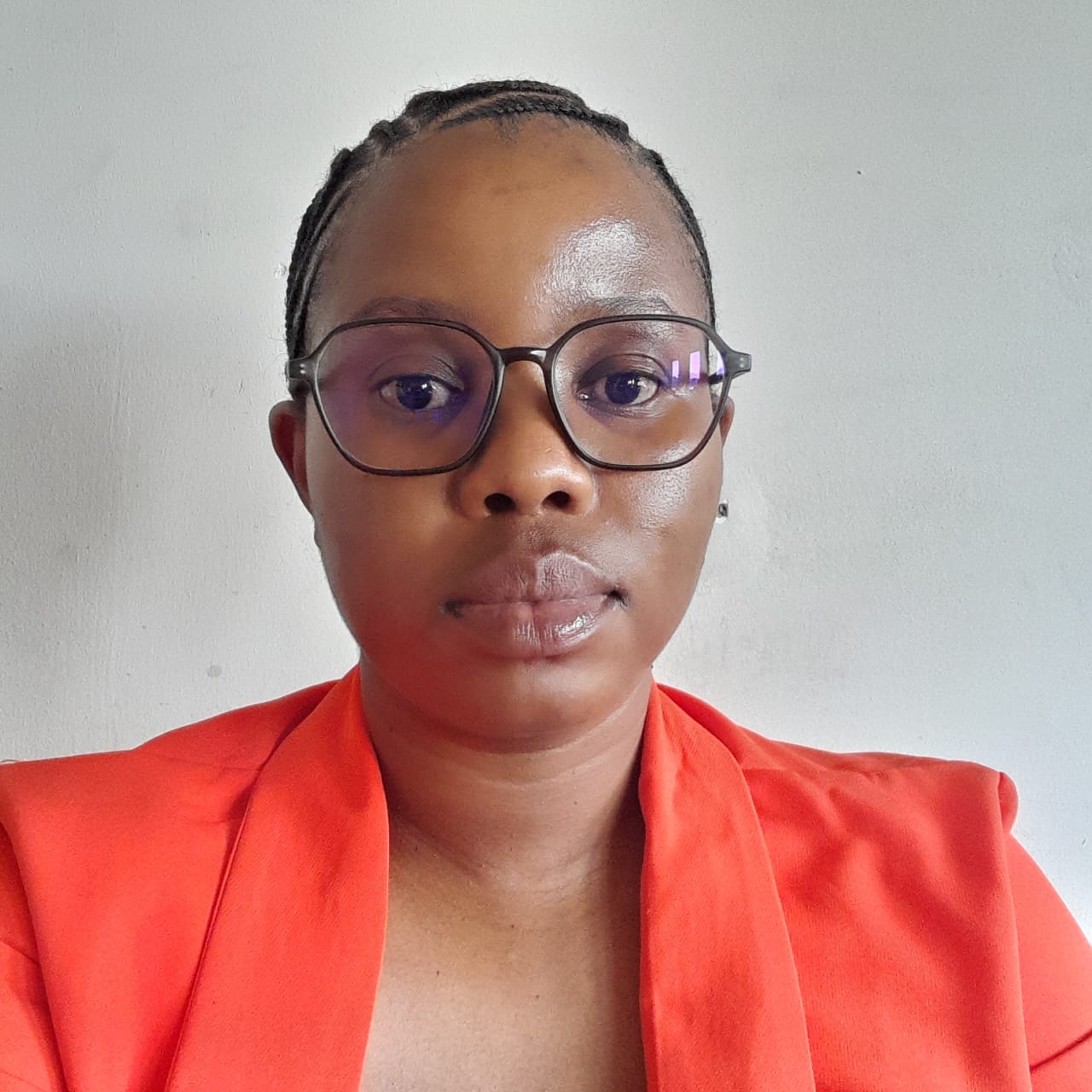
Ntsoaki Motaung is an award-winning health journalist from Lesotho, specializing in community health stories with a focus on sexual and reproductive health and rights, as well as HIV. She has contributed to platforms like “Be in the KNOW,” highlighting issues such as the exclusion of people with disabilities from HIV prevention efforts in Lesotho.
In addition to her journalism, Ntsoaki serves as the Country Coordinator for the Regional Media Action Plan Support Network (REMAPSEN). She is also a 2023 CPHIA Journalism Fellow.