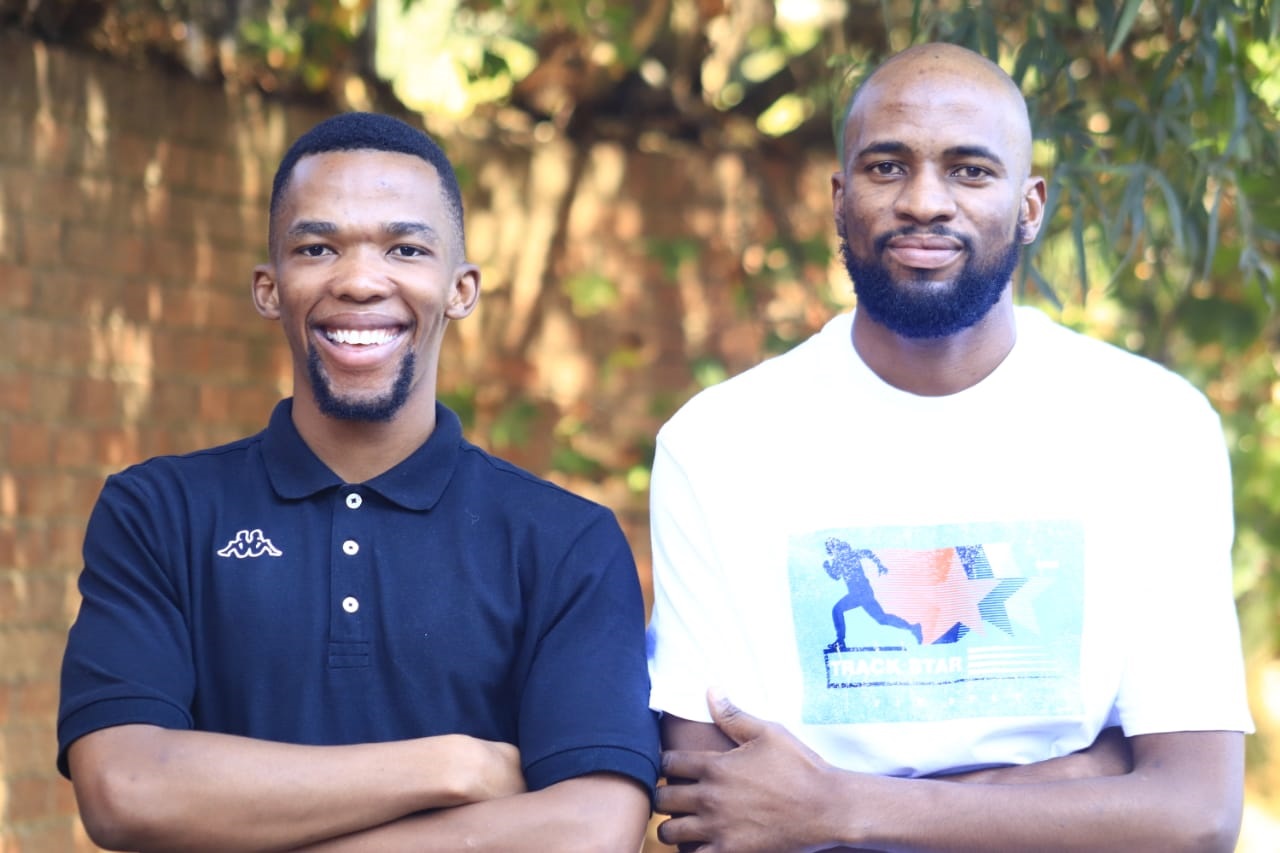

By Kwaku Sumah, Spacehubs Africa
As Ghana prepares to host the maiden Ghana Space Conference 2025 in Accra this October, one may ask themselves, why should a developing country like Ghana invest time, energy, and resources into space science and technology?
The answer lies not in rockets or distant planets, but right here in Ghana, in the needs of our farmers, coastal communities, policymakers, and young innovators.
Space technology, everyday solutions
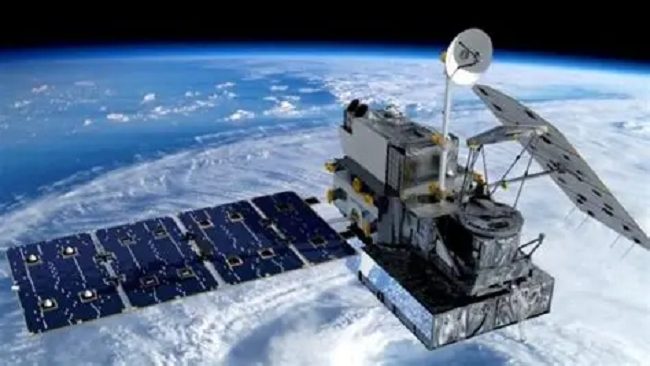
For too long, space has been seen as a distant frontier for many countries in the Global South, more so in Africa. In reality, however, space technology already shapes our daily lives. From the satellite data which presenters use to report on weather information, to that same data helping over 14 million farmers in Ghana decide when to plant and coastal communities when to be wary of storms. Space-based solutions are embedded in our economy and well-being.
Ghana is no stranger to this progress. Our scientists and engineers launched GhanaSat-1, sub-Saharan Africa’s first educational satellite in 2017 perpetuating the pioneering tradition Ghana is known for since leading sub-Saharan African nations to gain independence from colonialism. Since GhanaSat-1, Egypt, South Africa, Nigeria, Algeria, Morocco, Rwanda, Ethiopia, Angola, Kenya, and Mauritius have launched satellites into orbit.
At Kuntunse, our 32-metre radio telescope now contributes to the world’s largest astronomy project, the Square Kilometre Array, whose contribution to the economy of the country continues to be felt in technological and engineering advancements in areas like data processing and computing, offers substantial educational and capacity building, and thus stimulating economic development and local employment.
Institutions like the University of Ghana, the Ghana Meteorological Agency, and All Nations University continue to apply space science in climate monitoring, marine research, and disaster preparedness.
Driving inclusive growth
As the world faces climate change, which is hitting sub–Saharan Africa hard and compromising our food security in the midst of the problems brought about by rising urbanisation, space technologies offer scalable and efficient tools.
For example, Earth Observation helps us to monitor deforestation due to ‘Galamsey’. Illegal gold mining causes deforestation and produces mercury pollution in the environment and waters. Tracking these changes can support stakeholders to take action and document the exact scale of devastation. Remote sensing technology has also become useful tool in providing data for precision agriculture.
Farmers are able to get timely and accurate data about soil quality and rainfall, helping them to take informed decisions and post productivity. Satellite communication on the other hand has brought about increased internet access to rural communities, unlocking opportunities for online education and entrepreneurship.
This is not just about science; it is about inclusive development. The Ghana Space Conference set for October 6-8 will highlight the importance of engaging youth and women in Science Technology, Engineering and Mathematics (STEM) and space fields, ensuring that the benefits of innovation reach everyone in Ghana and beyond.
Linking to policy and Africa’s growth
The timing of this conference is strategic. Ghana recently launched its National Space Policy (2024), setting a clear vision for regulation, capacity building, private sector engagement, and international partnerships. The Policy aims to harness space technology for economic growth, national security, and sustainable development by improving resource management and coordinating public and private sector efforts.
Key goals include better environmental monitoring, fostering international cooperation, and creating investment and job opportunities in satellite communications, Earth observation, and other space sectors.
With the African Continental Free Trade Area (AfCFTA) headquartered in Accra, Ghana has a unique opportunity to explore how space technologies can support trade efficiency, cross-border collaboration, and industrial growth.
Space is no longer a luxury—it is an economic and developmental necessity.
A call to action
The Ghana Space Conference 2025 at the University of Ghana, Accra will bring together government leaders, scientists, entrepreneurs, and international experts to deliberate on these opportunities.
This is not just Ghana’s event; it is Africa’s moment to continue demonstrating that the continent is ready to harness the space economy, projected to reach $22.64 billion by 2026.
Policymakers, private sector leaders, academics, students, and the media will all have space at the conference. Together, let us shape a future where space technology empowers every Ghanaian, every African, to live in a safer, more prosperous, and more sustainable world.
The writer is the Managing Director of Spacehubs Africa
Summary
- As Ghana prepares to host the maiden Ghana Space Conference 2025 in Accra this October, one may ask themselves, why should a developing country like Ghana invest time, energy, and resources into space science and technology.
- At Kuntunse, our 32-metre radio telescope now contributes to the world’s largest astronomy project, the Square Kilometre Array, whose contribution to the economy of the country continues to be felt in technological and engineering advancements in areas like data processing and computing, offers substantial educational and capacity building, and thus stimulating economic development and local employment.
- The Ghana Space Conference set for October 6-8 will highlight the importance of engaging youth and women in Science Technology, Engineering and Mathematics (STEM) and space fields, ensuring that the benefits of innovation reach everyone in Ghana and beyond.

Welcome to Newsday Media – Your Trusted Source for News and Insights in Lesotho!
At Newsday Media, we are passionate about delivering accurate, timely, and engaging news and multimedia content to our diverse audience. Founded with the vision of revolutionizing the media landscape in Lesotho, we have grown into a leading hybrid media company that blends traditional journalism with innovative digital platforms.
Our mission is simple: to inform, inspire, and empower our readers by providing comprehensive coverage of local and global events, current affairs, and cultural happenings. Whether you’re looking for breaking news, in-depth analysis, or captivating storytelling, Newsday Media is your go-to destination for all things news-related.
With a dedicated team of journalists, editors, and multimedia experts, we are committed to upholding the highest standards of journalistic integrity and professionalism. We pride ourselves on delivering content that not only informs but also sparks conversation, fosters understanding, and drives positive change in our society.
From our flagship newspaper to our dynamic digital platforms, we offer a wide range of multimedia content to cater to the diverse interests and preferences of our audience. Whether you prefer to stay informed through print, online articles, videos, or podcasts, Newsday Media has something for everyone.
We believe in the power of storytelling to connect people, bridge divides, and inspire action. That’s why we’re dedicated to providing a platform for voices from all walks of life, championing diversity, inclusion, and authenticity in everything we do.
Thank you for visiting Newsday Media. We invite you to explore our website, engage with our content, and join us on our journey to inform, inspire, and empower our community. Together, let’s shape the future of media in Lesotho.