
Lesotho’s continued reliance on cross-border medical referrals is placing growing financial and operational pressure on South Africa’s healthcare system, particularly in the Free State province.
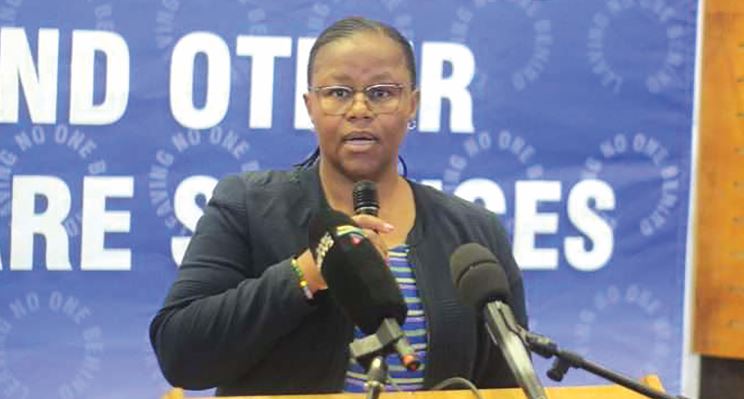
Director of Clinical Services in Lesotho’s Ministry of Health, Dr. Lucy Mapota, has acknowledged that the government owes South Africa for medical services provided to Basotho patients.
While she could not confirm the exact amount, Mapota said Lesotho consistently carries debt related to cross-border medical bills due to the daily referral of patients.
“I believe South Africa is referring to a consolidated debt after adding all invoices, and this likely dates back several years,” she said.
She attributed the recurring debt to systemic financial constraints, including delays in accessing funds and the structure of government disbursements, which are released in phases. She said this makes it difficult to fully settle outstanding balances.
“There are times when payments cannot be processed because the financial year has ended,” Mapota explained, adding that even when funds are budgeted, continuous referrals make it nearly impossible for Lesotho to reach a point where it owes nothing.
She explained that most patients referred to South Africa are cancer cases, and this has prompted government efforts to establish a local cancer treatment facility.
Mapota said plans are also underway to develop a medical school to train health professionals domestically, although low salaries remain a challenge in retaining doctors.
The issue is not new. In January 2025, Newsday reported that South African hospitals were meeting revenue targets partly through payments made by Lesotho for referred patients.
At the time, during the groundbreaking ceremony for Lesotho’s first cancer centre, the then Principal Secretary (PS) in the Ministry of Health, ‘Maneo Moliehi Ntene, highlighted the financial strain.
“Our country’s funds are being eroded through cancer treatment in South Africa,” Ntene said. “Some hospitals even acknowledge that Lesotho contributes significantly to their revenue targets.”
She noted that treatment costs have risen sharply, from approximately M145,000 per patient in 2015 to M220,000 by 2023. In some cases, payments were made for patients who had died before receiving treatment.
Ntene was fired this week.
South African media reported this week that the Free State healthcare system is struggling under the growing burden of patients from Lesotho.
Free State Health spokesperson Mondli Mvambi said the influx of patients, both referred and self-referred, is placing significant strain on facilities, particularly in border areas.
The most affected regions include the Thabo Mofutsanyane district, impacting towns such as Ladybrand, Ficksburg, Fouriesburg, Clarens and QwaQwa.
Mvambi said cross-border movement by job seekers and tourists further increases demand for services ranging from primary to specialised care. These cases are captured under existing healthcare agreements between the two governments.
Reports indicate that Lesotho owes the Free State Department of Health approximately R145 million for services rendered, mainly at Pelonomi Hospital and Universitas Academic Hospital.
These facilities regularly receive referrals from Queen ‘Mamohato Memorial Hospital for specialised treatment, particularly in oncology and trauma care.
Mvambi confirmed that the arrangement between the two governments has been in place for years, with mechanisms to recover the debt in order to sustain healthcare service delivery.
The financial strain comes amid ongoing concerns about infrastructure challenges, surgical backlogs, and limited capacity within Free State hospitals, raising questions about the long-term sustainability of the current cross-border healthcare model.
Summary
- “There are times when payments cannot be processed because the financial year has ended,” Mapota explained, adding that even when funds are budgeted, continuous referrals make it nearly impossible for Lesotho to reach a point where it owes nothing.
- At the time, during the groundbreaking ceremony for Lesotho’s first cancer centre, the then Principal Secretary (PS) in the Ministry of Health, ‘Maneo Moliehi Ntene, highlighted the financial strain.
- Mvambi confirmed that the arrangement between the two governments has been in place for years, with mechanisms to recover the debt in order to sustain healthcare service delivery.
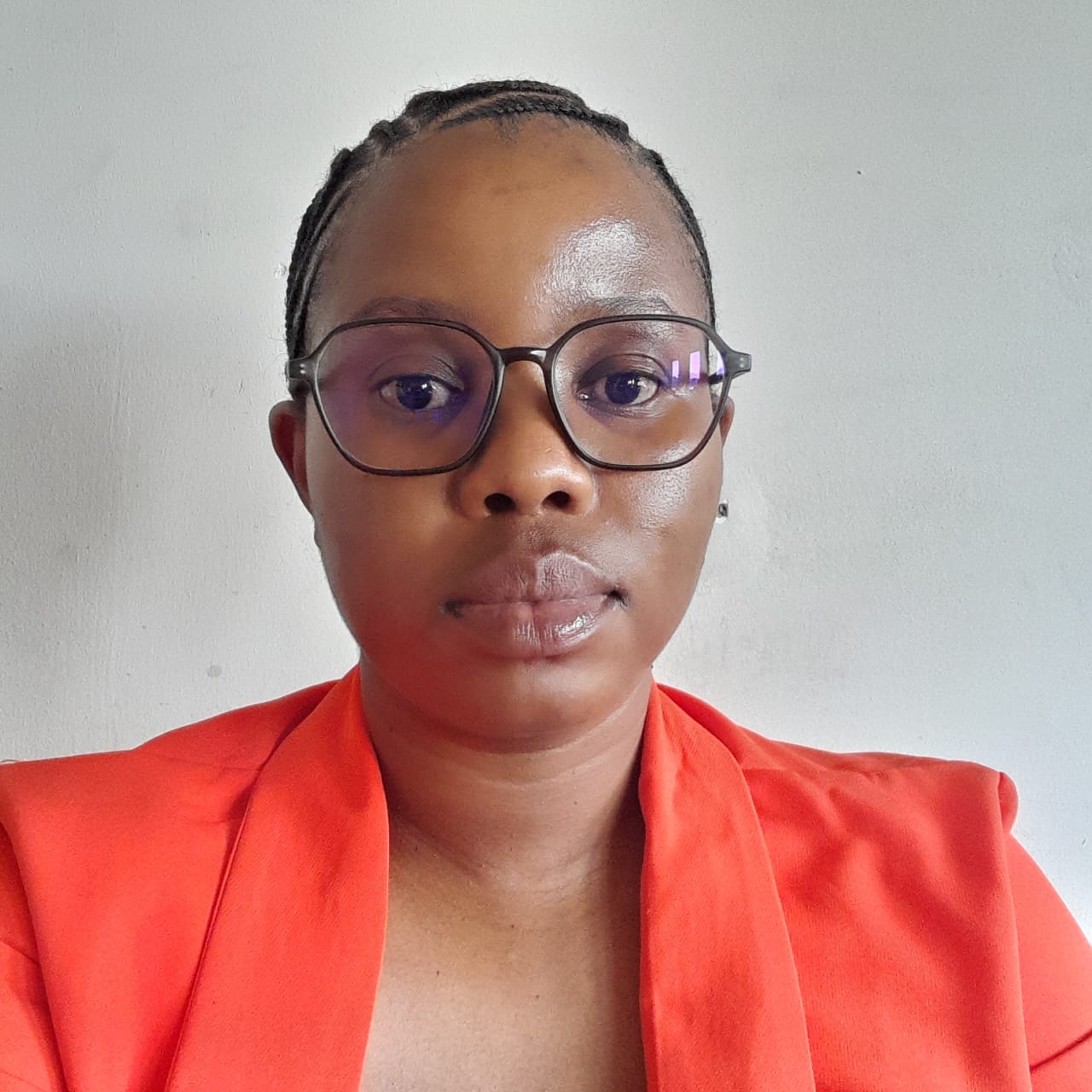
Ntsoaki Motaung is an award-winning health journalist from Lesotho, specializing in community health stories with a focus on sexual and reproductive health and rights, as well as HIV. She has contributed to platforms like “Be in the KNOW,” highlighting issues such as the exclusion of people with disabilities from HIV prevention efforts in Lesotho.
In addition to her journalism, Ntsoaki serves as the Country Coordinator for the Regional Media Action Plan Support Network (REMAPSEN). She is also a 2023 CPHIA Journalism Fellow.