
The Independent Electoral Commission (IEC) has flagged the need to synchronise national elections and local government elections, a move the Commission says will save the country significant amounts of money and reduce administrative costs.
At a press conference this week, the IEC said it is currently participating in a joint technical engagement with the Ministry of Local Government to explore the legal, operational, financial, and policy considerations for harmonising the National Assembly and Local Government Elections.
“These discussions are intended to identify practical approaches that could improve electoral efficiency, reduce the cost of conducting elections, enhance voter participation, and minimise voter fatigue. The process will also determine the legislative, institutional, and operational reforms that may be required to support such harmonisation,” the Commission said.
Cost savings and voter fatigue
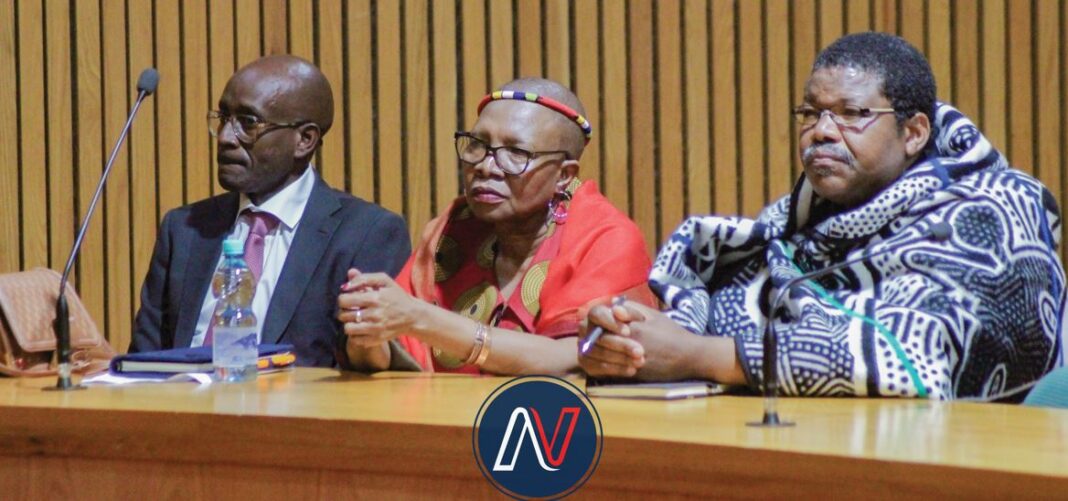
IEC Chairperson, Dr John Maphephe, said the Commission does not want to hold elections from time to time, but instead wants to give voters time to explore other initiatives that could advance the country.
With elections funded through taxpayers’ money, the Chairperson said it is appropriate for the Commission to recommend cost-saving measures where necessary.
National elections are scheduled to be held in early 2028, provided there are no snap elections. IEC Commissioner Pontšo ‘Mamatlere Matete said if the proposition is considered, there will be no clash with local government elections, as the law stipulates that councillors’ tenure in office should not exceed five years.
She noted that the Commission had already carried out a successful study by holding by-elections in constituencies where candidates had died, at the same time as local government elections, and the process proved effective.
Matete estimated that the Commission could save the country approximately 90 percent of the local government election budget through harmonisation. She added that there would be no duplication of election work, such as printing or transporting ballot papers.
“This is why harmonising elections will make the process more efficient and cost-saving,” she said.
While no decision has yet been taken regarding the Commission’s proposition, the IEC said it will remain in talks with all relevant stakeholders to explore the possibility of holding joint elections.
‘Best loser’ bill raises concerns
Weighing in on the proposed “best loser” bill, a private member’s proposal sponsored by Revolution for Prosperity (RFP) member Mootsi Lehata and seconded by All Basotho Convention (ABC) proportional representation (PR) member Lebohang Hlaele, Chairperson said that according to best practice, the law should not be changed a year before elections.
The bill seeks to replace the existing party-list system for the 40 PR seats with a “best loser” model.
Under the proposal, PR seats allocated to political parties would be filled exclusively by their unsuccessful constituency candidates, those who obtained the highest percentage of votes but lost their races. Independent candidates would be expressly excluded from PR seat allocation.
“Ours is to provide professional advice on the proposed reforms for the electoral system,” Dr Maphephe said.
The Commission noted that several factors need to be taken into account, including election administration, constituency delimitation where applicable, ballot design, voter education, election technology, and results management.
While the current electoral regime requires parties to submit the names of PR candidates before elections, the proposed bill suggests that candidates’ names be submitted after counting, so that the “best loser” can be determined based on performance results.
Dr Maphephe further indicated that this bill would not align with current laws, which require the publication of election results within seven days of polling day.
Meanwhile, Dr Chelete Monyane argued that the proposed amendment has created a “mismatch” problem with current electoral legislation. He noted that while the system works in Mauritius, it has also caused challenges there.
Dr Maphephe said the final decision rests with Parliament as the lawmaking body.
A civil society organisation has also urged Parliament to reject the proposed bill, arguing that it violates several provisions of the Constitution and would fundamentally alter the character of the country’s electoral system.
Advocates for the Supremacy of the Constitution (SECTION 2) appeared before the Portfolio Committee on Law and Public Safety on Wednesday this week to make oral submissions on the National Assembly Electoral (Amendment) Bill 2026. The organisation had earlier submitted a detailed written analysis outlining its constitutional concerns.
In its submission, SECTION 2 argued that the Bill is materially inconsistent with Sections 16, 20, 57, 58, and 59 of the Constitution.
Recruitment of substantive director of elections
On the recruitment of a substantive Director of Elections, the Commission said 27 applications were received for the coveted position.
The Chairperson said they have engaged a consultancy company to screen candidates and recommend five for interviews by the Commission. The company has vetted the candidates and conducted pre-interviews.
During the interviews, all political parties will be present to witness the proceedings but will not have any influence, as the final hiring decision rests solely with the Commission.
Summary
- At a press conference this week, the IEC said it is currently participating in a joint technical engagement with the Ministry of Local Government to explore the legal, operational, financial, and policy considerations for harmonising the National Assembly and Local Government Elections.
- Weighing in on the proposed “best loser” bill, a private member’s proposal sponsored by Revolution for Prosperity (RFP) member Mootsi Lehata and seconded by All Basotho Convention (ABC) proportional representation (PR) member Lebohang Hlaele, Chairperson said that according to best practice, the law should not be changed a year before elections.
- While the current electoral regime requires parties to submit the names of PR candidates before elections, the proposed bill suggests that candidates’ names be submitted after counting, so that the “best loser” can be determined based on performance results.
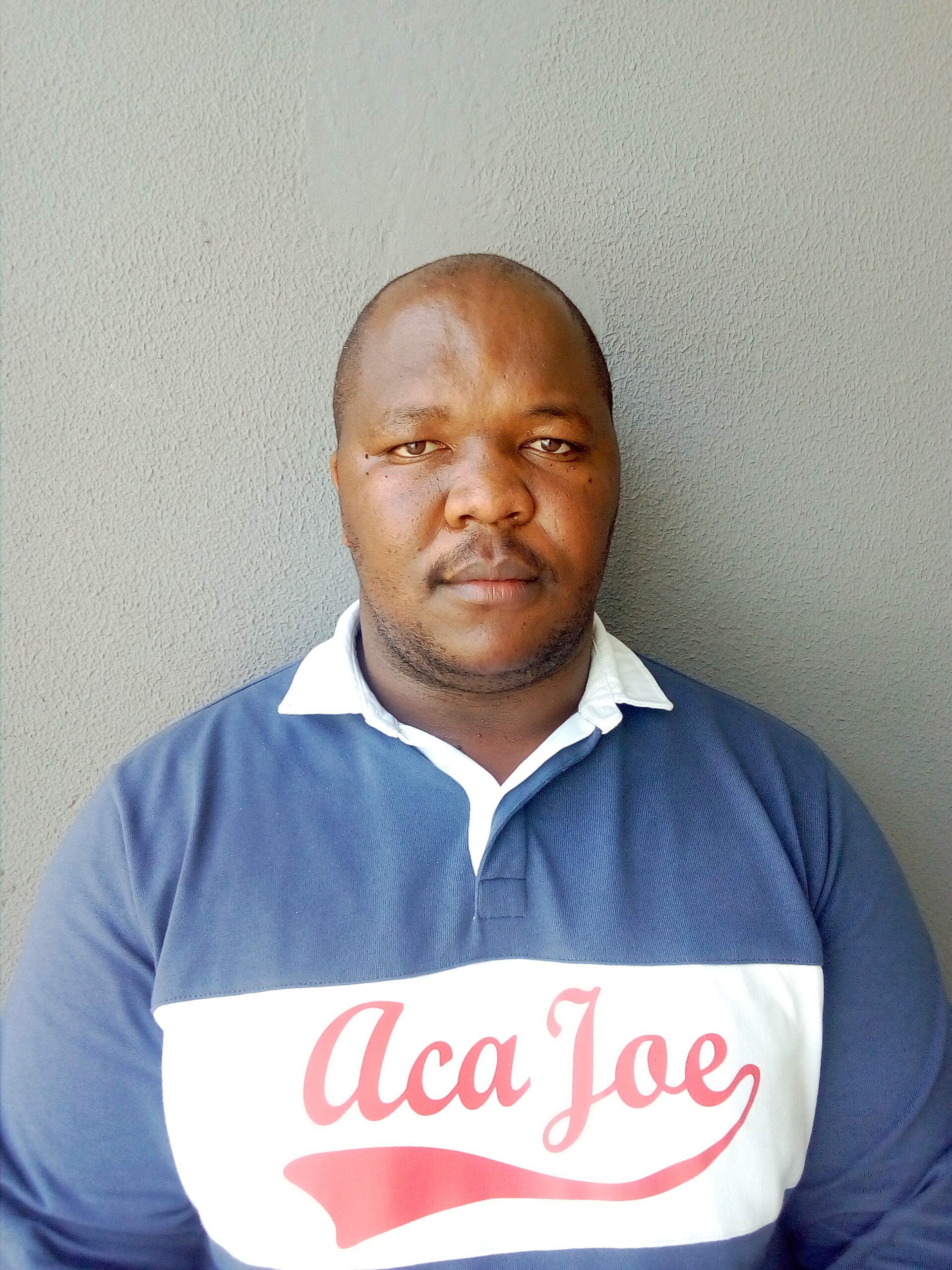
Thoboloko Ntšonyane is a dedicated journalist who has contributed to various publications. He reports on accountability, human rights, exposes corruption and wrong doing by those in power. He reports have exposed corruption, abuse of power, fraud, misconduct and negligence. He subscribes to evidence-based reporting. He reports on governance, parliament, courts, climate change, human rights, sexual and reproductive health rights (SRHR), health, business and agriculture. He gives a voice to the marginalised while also demanding accountability. His work inspires change, triggers dialogue and also promote transparency in a society.