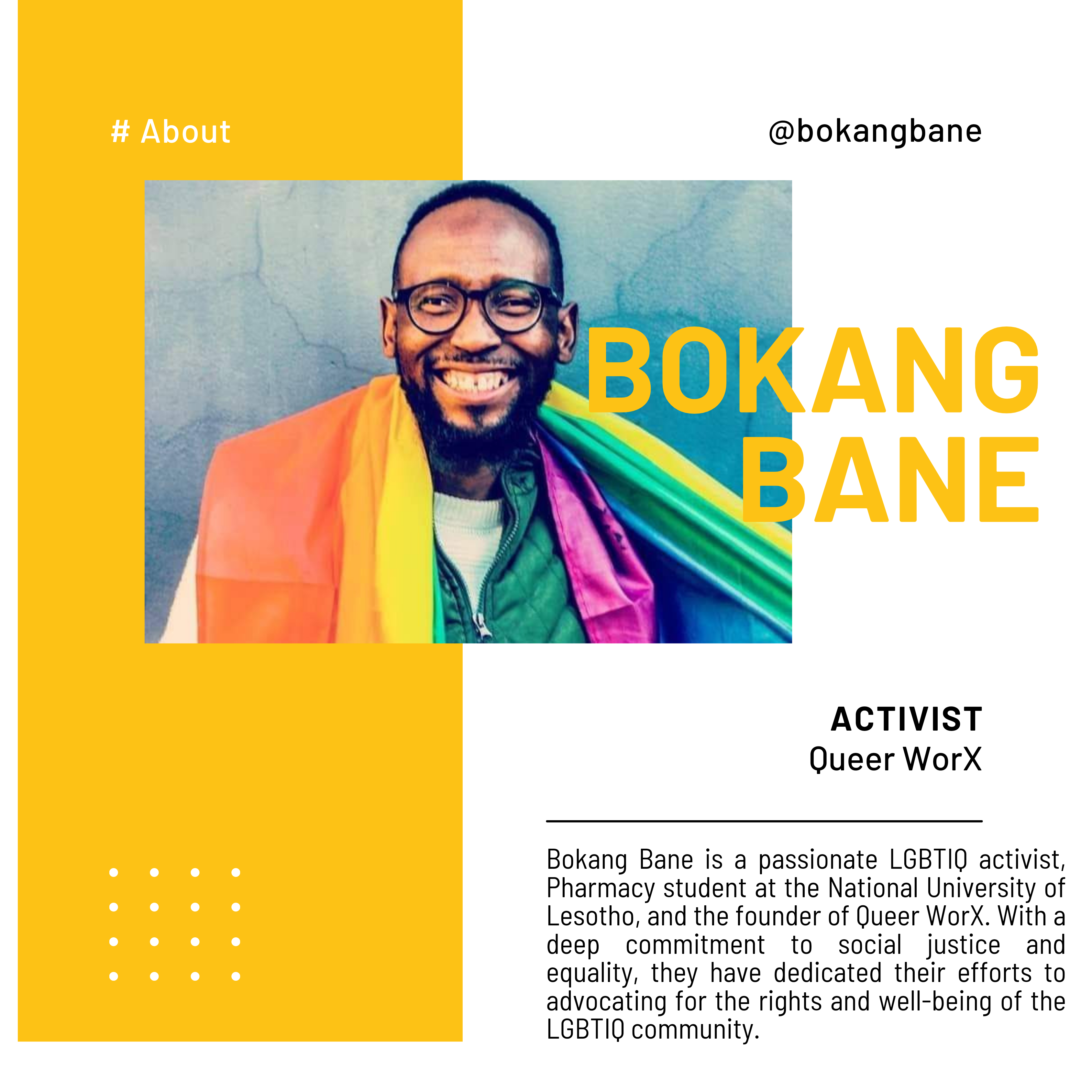

As Lesotho marks 60 years of independence, celebrations of nationhood, culture and resilience are running alongside a sobering reminder that independence has not yet translated into full dignity, equal opportunity, or a genuine sense of belonging for the country’s lesbian, gay, bisexual, transgender, intersex and queer (LGBTIQ+) community,.
The People’s Matrix Association, which advocates for LGBTIQ+ rights, says it joins Basotho at home and abroad in celebrating the nation’s 60-year journey. But it insists the milestone must also be a moment of honest reflection on who is, and who is not, fully included in that journey.
For the People’s Matrix, true independence is measured less by anniversaries and more by daily life, whether people can access healthcare without discrimination, seek justice without fear, obtain public documents without unnecessary delays, find decent work, and take part fully in national life.
On that measure, the organisation says, Lesotho’s LGBTIQ+ community continues to fall through the cracks.
The core of the community’s concern is a stark legal gap: there no single, comprehensive law in Lesotho that protects LGBTIQ+ people from discrimination, harassment and violence across all areas of life.
What exists instead is a patchwork. The Labour Code 2024 prohibits discrimination based on sexual orientation in the workplace, and other laws offer limited protection in specific settings, for children, in broadcasting, and in cases of domestic violence. Useful as these measures are, the People’s Matrix says they fall well short of full and comprehensive protection.
This gap persists even as Lesotho’s broader human-rights architecture has grown stronger. Section 20A of the Constitution now provides for affirmative action in favour of marginalised groups, and the country’s international commitments, under the International Covenant on Civil and Political Rights, the International Covenant on Economic, Social and Cultural Rights, the Convention on the Elimination of All Forms of Discrimination against Women, the African Charter on Human and Peoples’ Rights, and SADC protocols, set out a foundation on which further reform could be built.
The United Nations’ own human-rights framework requires states to protect people from discrimination and violence, including that linked to sexual orientation, gender identity and gender expression, and UN reporting on Lesotho has repeatedly stressed the need to strengthen national human-rights institutions, widen access to justice, and ensure marginalised groups are included in human-rights programmes.
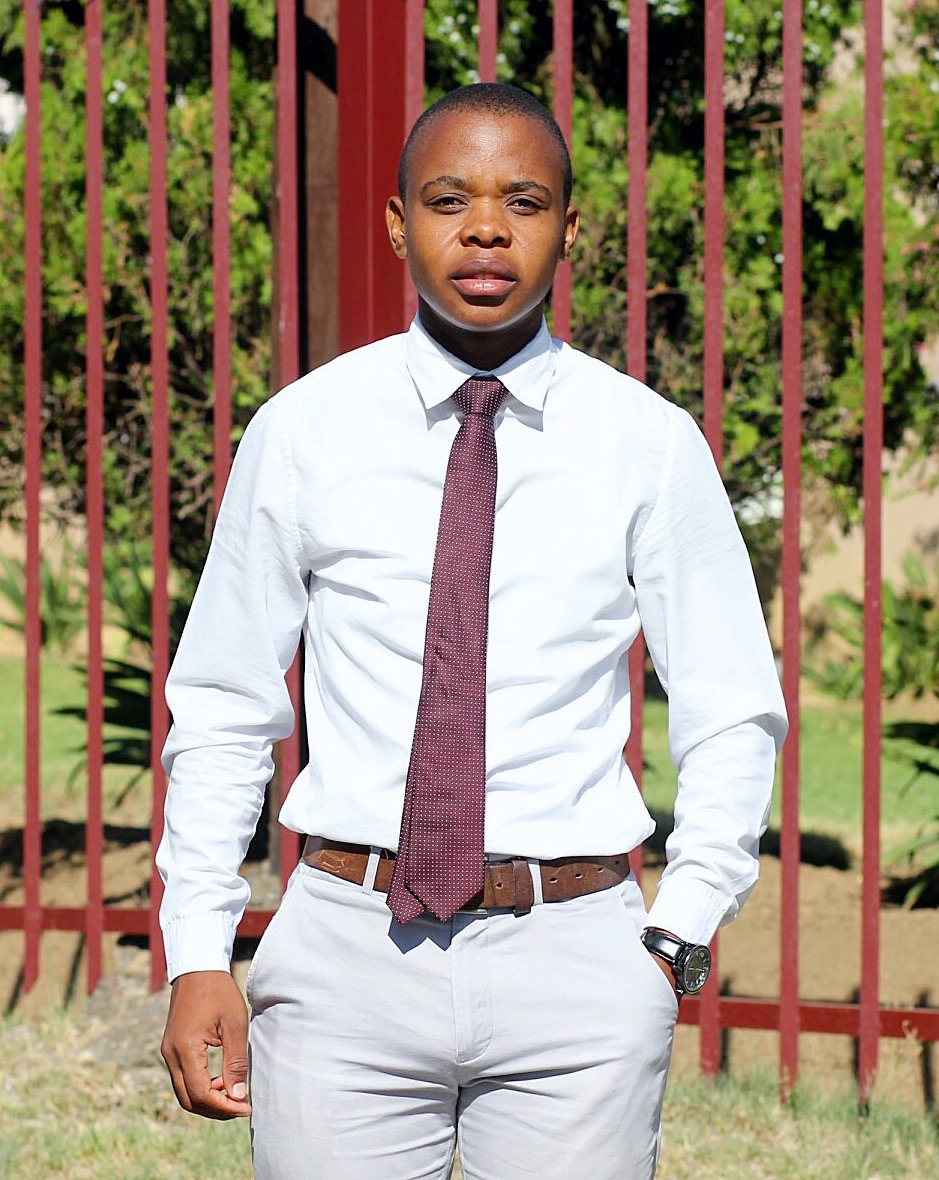
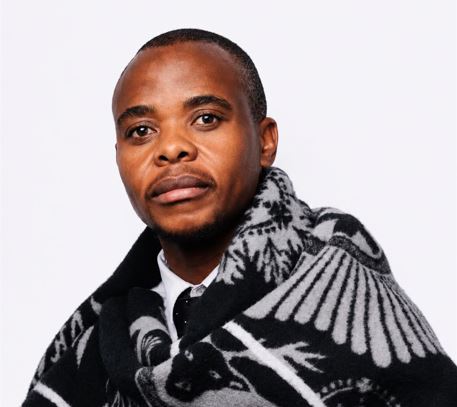
Yet for many LGBTIQ+ Basotho, these frameworks remain aspirational rather than lived reality. Tampose Mothopeng, Director of the People’s Matrix Association, said the organisation’s work is focused on helping build a Lesotho where every person can live with dignity, safety and equal opportunity.
Despite the constitutional and international commitments in place, he pointed to persistent gaps: legal uncertainty, limited protection from discrimination, unresolved questions around legal gender recognition, and outdated legal references that continue to affect people’s ability to enjoy their rights equally.
Mothopeng argued that inclusion cannot stop at legislation; it must extend across every part of national life. They welcomed the Independent Electoral Commission’s efforts to include LGBTIQ+ people in electoral and voter-education materials and called for continued support for inclusive civic participation.
They also said sexual orientation, gender identity, gender expression and sex characteristics should be addressed through comprehensive, accurate and age-appropriate sexuality education, and that churches, traditional leaders, families and communities all have a role to play in creating constructive spaces for dialogue about diversity, dignity, culture and human rights.
For Mothopeng, political inclusion must go beyond the right to vote to include participation in leadership and decision-making, while economic inclusion must create fair opportunities in employment, entrepreneurship, skills development, finance and public procurement.
“This is my home. I belong here. Creating safe spaces. Protecting human dignity. Building belongings,” Mothopeng said.
Member of Parliament Mamello Phooko acknowledged that Lesotho does have laws that are inclusive of marginalised communities, but said the real challenge lies in implementation. She attributed much of this to a lack of costing for these legal instruments, which has resulted in a lack of implementation on the ground.
Still, Phooko said there is hope for LGBTIQ+ community members in terms of the supporting legal instruments now in place.
Summary
- The Labour Code 2024 prohibits discrimination based on sexual orientation in the workplace, and other laws offer limited protection in specific settings, for children, in broadcasting, and in cases of domestic violence.
- Section 20A of the Constitution now provides for affirmative action in favour of marginalised groups, and the country’s international commitments, under the International Covenant on Civil and Political Rights, the International Covenant on Economic, Social and Cultural Rights, the Convention on the Elimination of All Forms of Discrimination against Women, the African Charter on Human and Peoples’ Rights, and SADC protocols, set out a foundation on which further reform could be built.
- The United Nations’ own human-rights framework requires states to protect people from discrimination and violence, including that linked to sexual orientation, gender identity and gender expression, and UN reporting on Lesotho has repeatedly stressed the need to strengthen national human-rights institutions, widen access to justice, and ensure marginalised groups are included in human-rights programmes.
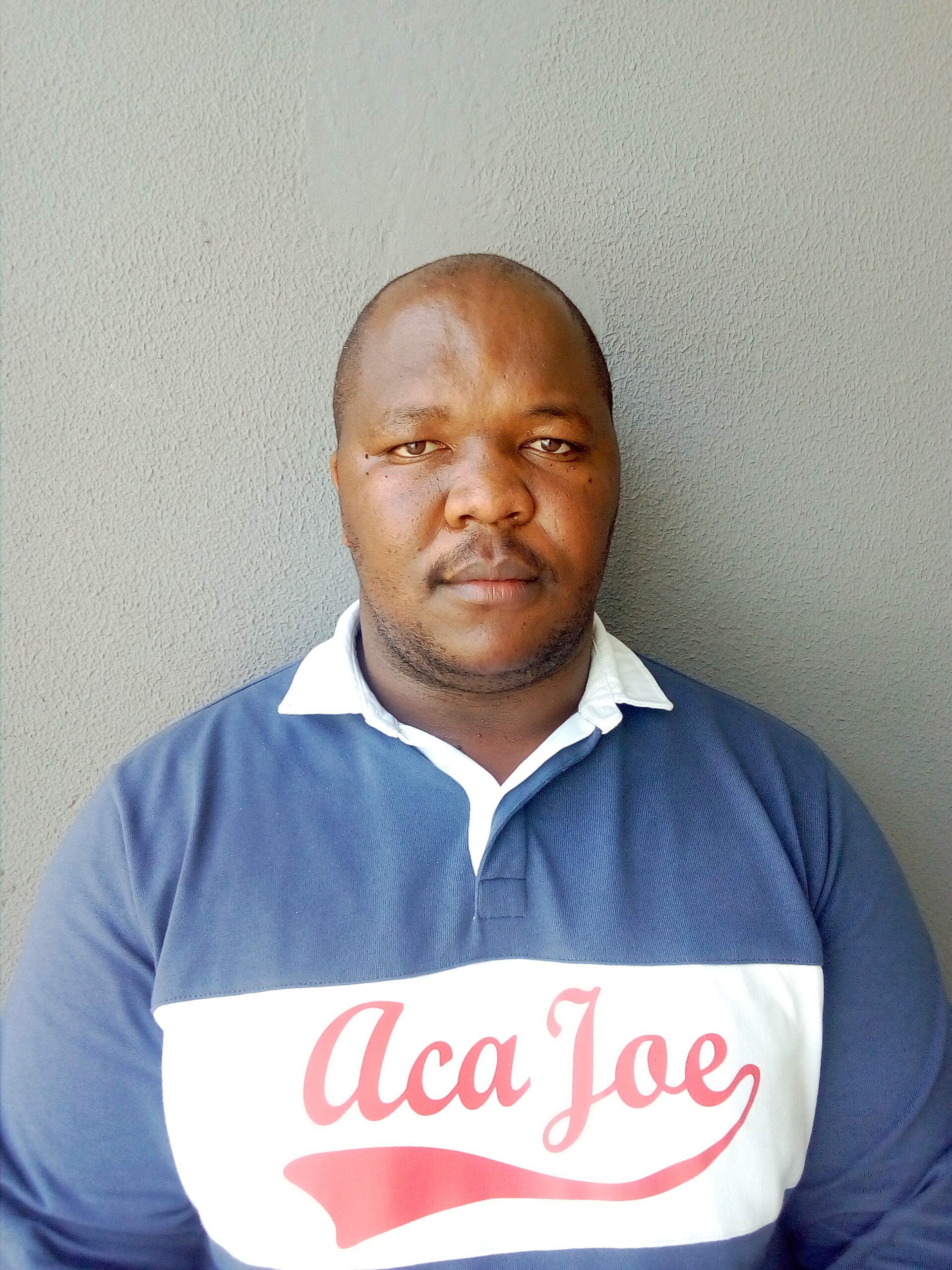
Thoboloko Ntšonyane is a dedicated journalist who has contributed to various publications. He reports on accountability, human rights, exposes corruption and wrong doing by those in power. He reports have exposed corruption, abuse of power, fraud, misconduct and negligence. He subscribes to evidence-based reporting. He reports on governance, parliament, courts, climate change, human rights, sexual and reproductive health rights (SRHR), health, business and agriculture. He gives a voice to the marginalised while also demanding accountability. His work inspires change, triggers dialogue and also promote transparency in a society.