
- Children demand quality education, safety and a say
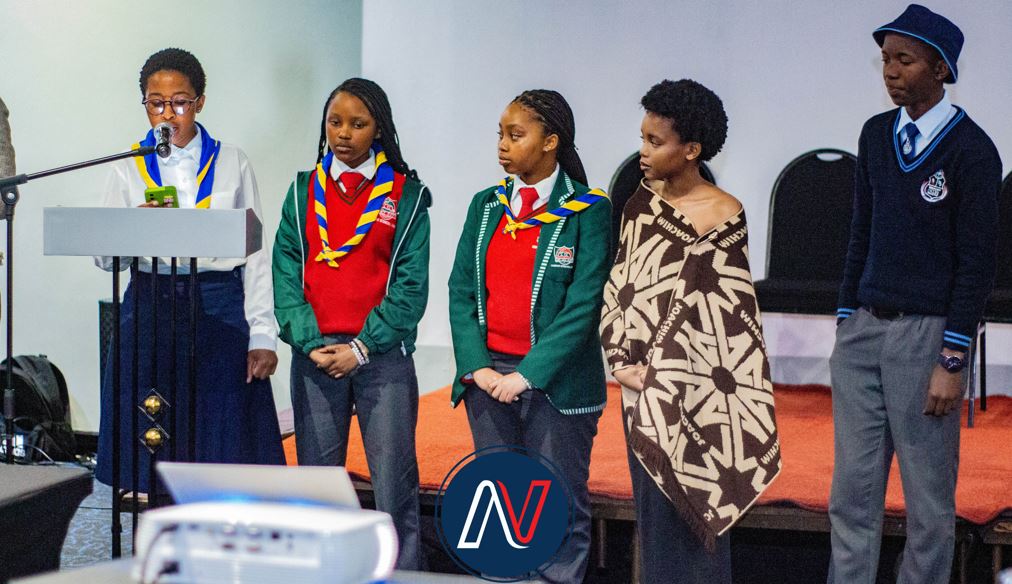
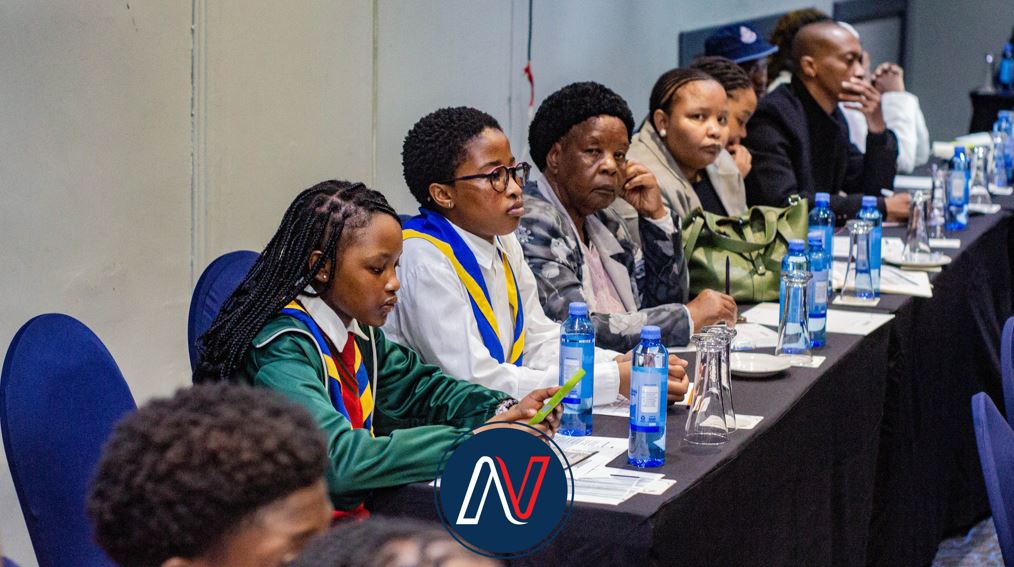
At the Education Partnership Compact Midterm Review in Maseru on Wednesday, a new force for change took centre stage; the young parliamentarians of Lesotho.
Representing children across the nation, these young leaders joined government officials, civil society and international partners in delivering a powerful message that education in Lesotho must become more inclusive, equitable and responsive to children’s real experiences.
Education is a right, not a privilege
Bongiwe Beleme, a child rights ambassador for the Lesotho World Rights Association, addressed an audience of development partners, teachers and policymakers. Her words reflected the hopes and frustrations of countless children.
“I am not just speaking as a child, or on behalf of the children’s parliamentarians, I am a parliamentarian myself and a child rights advocate, asking a simple question, When we review our education commitments, are we only measuring what we have delivered, or are we asking what children are actually experiencing?”
Beleme reminded the audience that children are right-holders, while institutions, governments and adults are duty-bearers.
“Education is not simply a service to be provided when resources allow. It is a right that must be progressively realised, protected, and made meaningful in children’s daily lives,” she said.
This principle is echoed in Lesotho’s Education Act and the African Charter on the Rights and Welfare of the Child, which state that the best interests of the child should always come first and that every child has the right to education.
She challenged decision-makers to look beyond statistics. “Are our systems truly fulfilling the rights of every child, including those easiest to overlook?” Beleme pressed for more than access, or a seat in a classroom, calling instead for quality, safety and participation. “A child needs a genuine opportunity to learn, develop, and participate. Quality early childhood education matters because inequality can begin before a child even enters primary school.”
Inclusion and safety: Leave no child behind
Beleme highlighted the barriers facing children in remote communities, children with disabilities, those living in poverty and those who speak minority languages. “Equality means identifying those barriers and deliberately responding to them,” she said.
She also spoke about the school environment. “A child cannot fully exercise the right to education in an environment where they are unsafe, humiliated, abused, bullied, or excluded. Safety is not an additional benefit after education; it is part of what makes education meaningful.”
She called for investment in child protection, safeguarding, safe reporting mechanisms and trained teachers. “Safety and respect are essential ingredients in realizing the right to education.”
Education for the whole child
Beleme’s vision for education went beyond academics. “The world is changing, and our education system must prepare children not only to pass exams, but to participate confidently in society. We need opportunities for digital literacy, critical thinking, communication, creativity, and problem solving. Confidence, dignity, and a sense of belonging are all part of a child’s development.”
She referenced Article 11 of the African Charter, which calls for education to develop a child’s personality and abilities to the fullest potential. “Education should develop the whole child, not just the examination candidate,” she emphasised.
Children’s voices in decision-making
Beleme argued that children must be actively involved in shaping education policies. “Article 7 of the African Charter protects children’s rights to express their views. Child participation means more than inviting young people to an event and then moving on. It means creating safe and meaningful opportunities for children to identify barriers, propose solutions, give feedback, and see how their contributions are reflected in decisions.”
She described her own experience in education sector consultations, demonstrating that children can offer valuable, practical insights because they live and experience the education system directly.
From data to action: The call for accountability
As Lesotho reviews its education progress, Beleme insisted on accountability and clarity. “For each major priority, we should know what needs to be changed, who is responsible, what resources are required, how progress will be measured, and how children and communities will know whether change is happening.”
She encouraged using data not simply for reports but to support better training, fair budgeting and stronger decision-making. “Most importantly, we should use that evidence to act, not simply to produce reports.”
Government’s perspective: Investing in the foundations
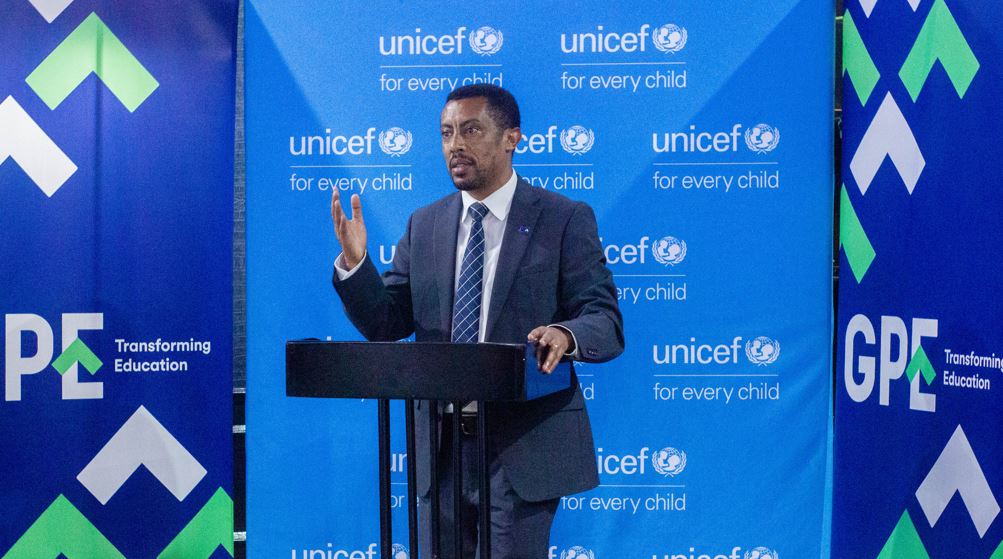
Minister of Education and Training Ntoi Rapapa responded to concerns about the allocation of resources, stressing the importance of basic education as the foundation for all future learning. “Some question why we invest so much in basic education over tertiary education. But how do you get to tertiary if you don’t first have basic education?”
The Minister pointed out that around 400,000 children are in basic education each year, compared with fewer than 30,000 in tertiary. “The numbers dictate how we allocate resources for human development.”
He outlined the government’s efforts to expand early childhood education, including the construction of new reception classrooms and the hiring of more than 300 qualified teachers for early grades.
Despite progress, challenges remain, including limited resources and some schools not meeting minimum standards. “We must balance standards with reality. If ten children are left outside the classroom, while thirty are inside, those ten may never get a chance to go to school. We need to think deeply about how best to accommodate everyone,” said Rapapa.
He also stressed the need for better monitoring and registration of schools, especially in remote villages, and for policies that ensure both access and quality.
Civil society: Schools must be safe havens
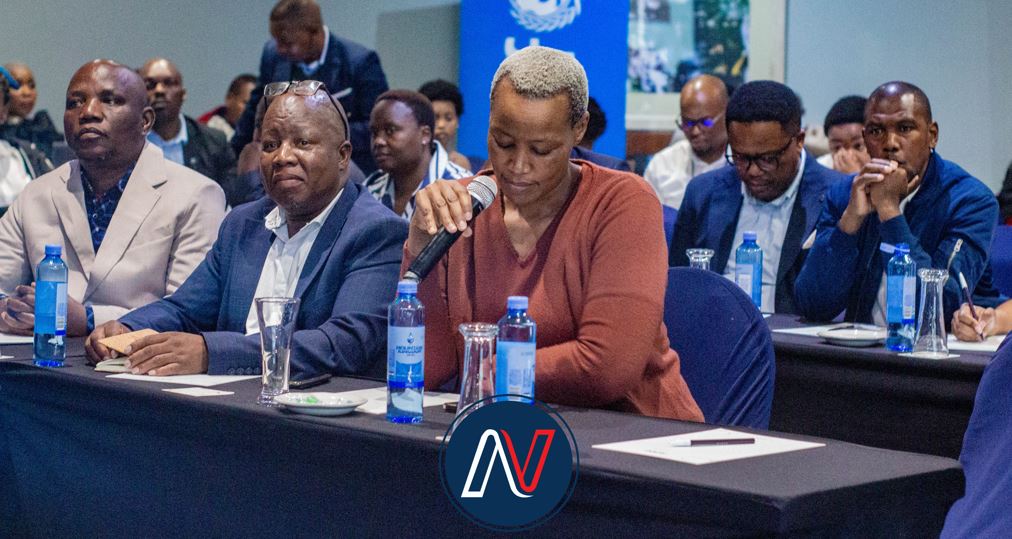
Sekonyela Mapetja, representing the Lesotho Council of Non-Governmental Organizations (LCN), brought a civil society perspective. He warned against “teaching to the converted” by focusing only on those already in the system and neglecting the most vulnerable.
LCN, he said, represents a wide network working with communities across Lesotho and carries the responsibility of bringing evidence and lived experience into national education discussions.
Mapetja raised tough questions about whether reported progress reflects real change on the ground, especially during harsh winters when government offices are heated but children in schools often go cold. “If teachers don’t matter in winter, what about the kids?” he asked, highlighting the need for schools to be places of comfort and safety.
He argued that schools should be places children want to go, not just for learning but for safety, support and a sense of belonging: “School should be a home away from home.”
Mapetja also emphasised the importance of leadership and accountability within the education system, referencing Lesotho’s Education Act and the need for the ministry to lead by example.
The Principal Secretary of the Ministry of Education and Training RatšiuMajara presented data on the progress of the Partnership Compact.
He said there have been notable achievements including, expansion of reception classes to primary schools, supported by community campaigns and teacher training, major investments from the Global Partnership for Education, World Bank, government, and private sector in refurbishing classrooms, providing teaching materials, and supporting vulnerable learners, improved school readiness through early childhood education, even though not all enrolment targets were met due to space and funding issues and increased transition rates from primary to secondary school, though challenges remain with repetition rates and gender disparities in progression.
However, operational delays, such as slow classroom refurbishments and delayed procurement of materials, have slowed some progress he disclosed.
International partners: Encouraging inclusion and evidence-based action
Belay Addise, Eastern and Southern Africa Regional Manager for the Global Partnership for Education (GPE), congratulated Lesotho on its transparent and inclusive review process. “The consultation was very inclusive, with over 26 organizations and experts from different areas of education. That shows a high level of commitment,” he said.
Addise stressed the importance of evidence-based decisions, inclusion and gender equality as Lesotho sets future priorities. “Your compact should identify areas for potential financing, and future support will depend on clear evidence that policies work and children’s rights are being fulfilled.”
The legal foundation: National and international laws
Lesotho’s Education Act, the African Charter on the Rights and Welfare of the Child, and the UN Convention on the Rights of the Child all guarantee every child’s right to education.
These laws require governments to ensure that children can learn in safe, dignified and inclusive environments. Article 4 of the African Charter says the best interests of the child must always come first, while Article 11 guarantees the right to education for every child.
Summary
- Representing children across the nation, these young leaders joined government officials, civil society and international partners in delivering a powerful message that education in Lesotho must become more inclusive, equitable and responsive to children’s real experiences.
- “I am not just speaking as a child, or on behalf of the children’s parliamentarians, I am a parliamentarian myself and a child rights advocate, asking a simple question, When we review our education commitments, are we only measuring what we have delivered, or are we asking what children are actually experiencing.
- This principle is echoed in Lesotho’s Education Act and the African Charter on the Rights and Welfare of the Child, which state that the best interests of the child should always come first and that every child has the right to education.
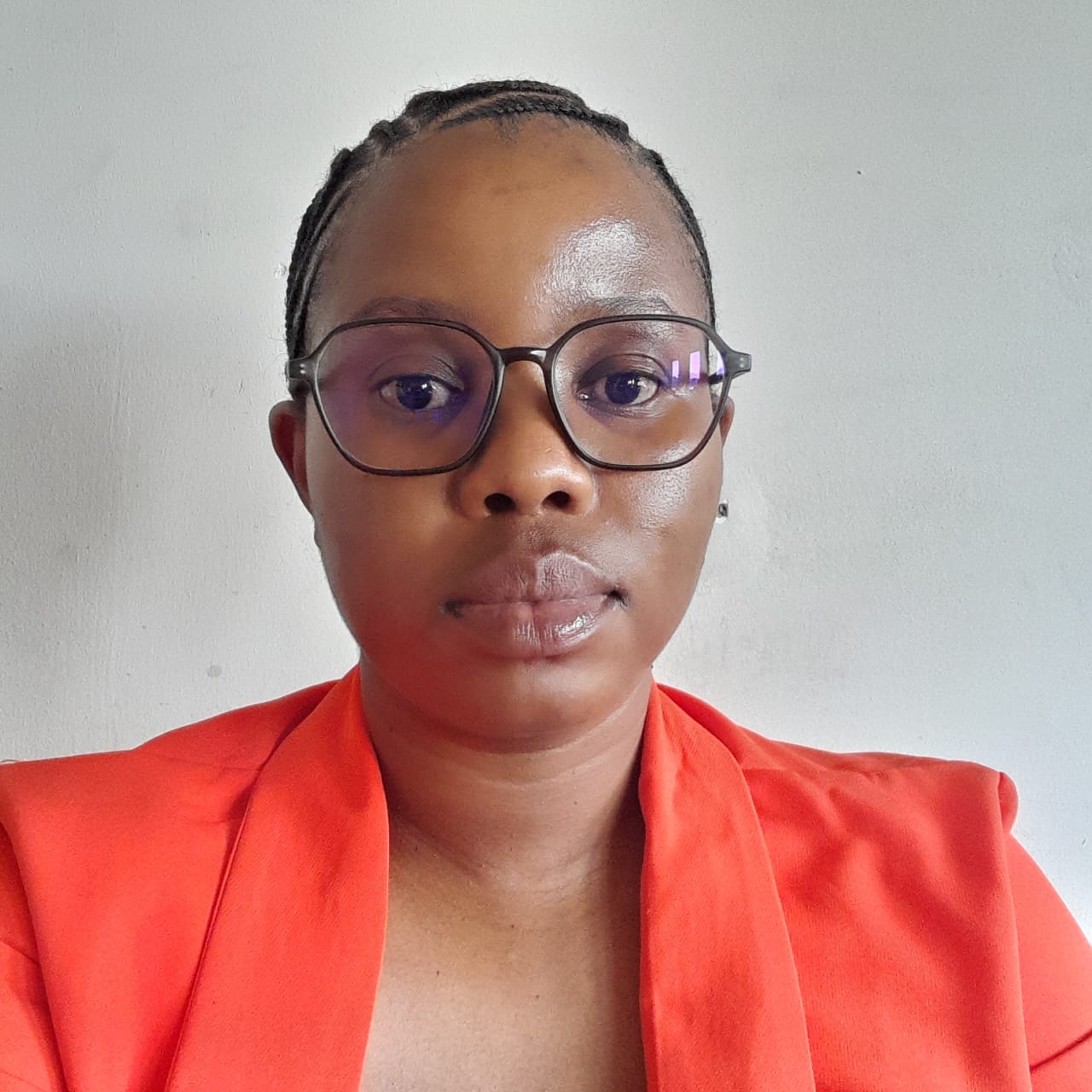
Ntsoaki Motaung is an award-winning health journalist from Lesotho, specializing in community health stories with a focus on sexual and reproductive health and rights, as well as HIV. She has contributed to platforms like “Be in the KNOW,” highlighting issues such as the exclusion of people with disabilities from HIV prevention efforts in Lesotho.
In addition to her journalism, Ntsoaki serves as the Country Coordinator for the Regional Media Action Plan Support Network (REMAPSEN). She is also a 2023 CPHIA Journalism Fellow.