
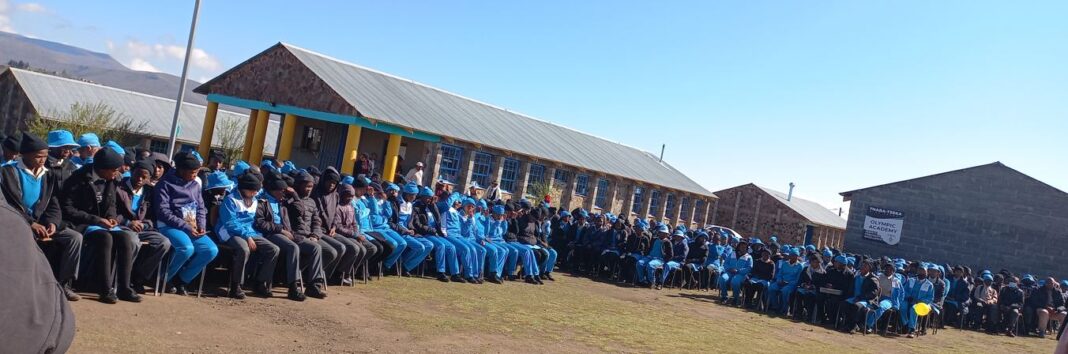
A parliamentary outreach to schools in Thaba-Tseka, held to engage students on teenage pregnancy, child marriage and school dropout, has prompted the Ministry of Education and Training (MoET) to assess the situation in schools.
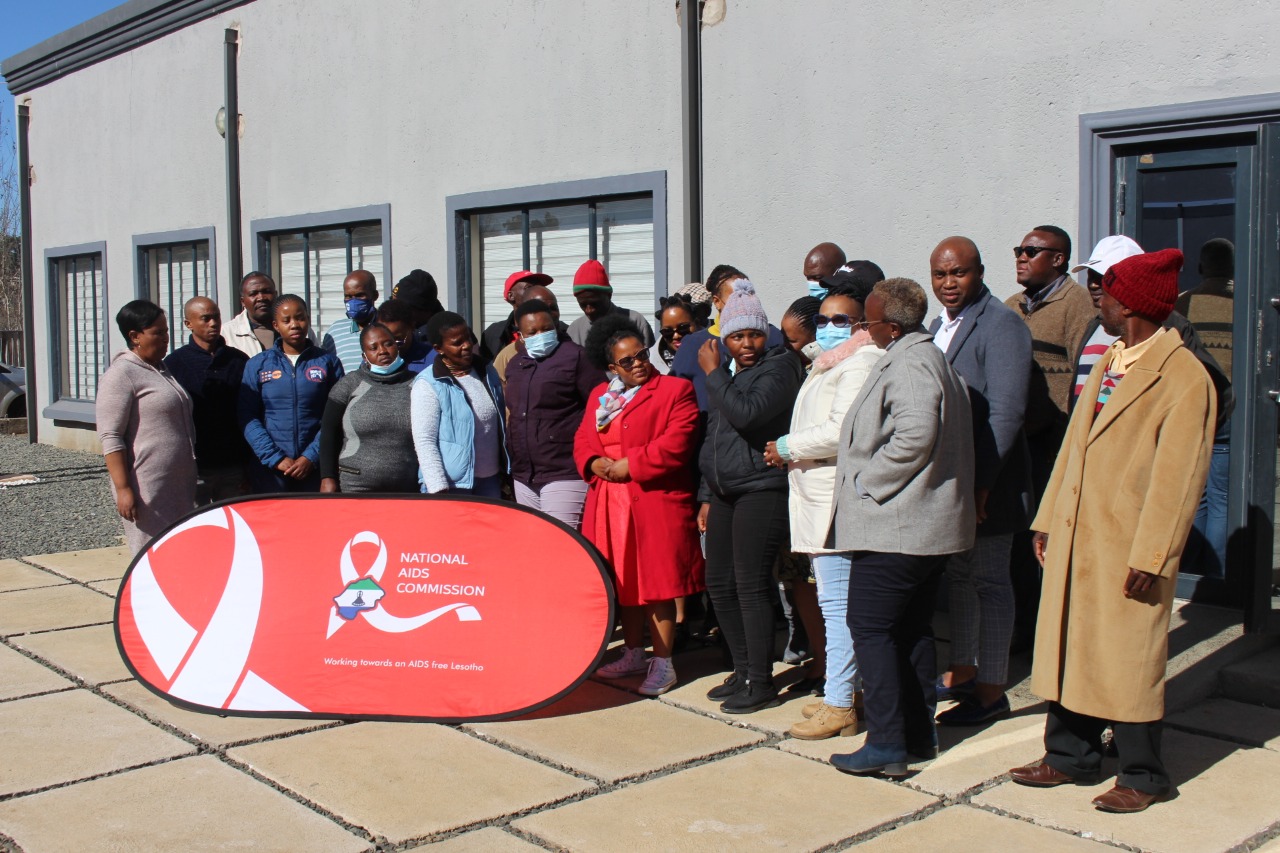
The Women’s Caucus, made up of women legislators from both houses of parliament, visited the district last week. The visit was supported by the Southern African Development Community Parliamentary Forum (SADC-PF), which is implementing the SRHR, HIV and AIDS Governance Project.
The schools visited were Thaba-Tseka High School, St Theresa High School, Ramoliehi Combined School, Ntaote High School and Paray High School.
Thaba-Tseka has one of the country’s highest rates of teenage pregnancy. According to the 2023-2024 Lesotho Demographic and Health Survey, 32% of young women aged 15-19 in the district have been pregnant, compared with 12% in Leribe.
Asked what interventions are in place to address the problem, which threatens learners’ futures, Molikuoa ‘Mota, MoET’s Public Relations Manager and Chief Information Officer, said the Ministry could not answer because it does not have enough data to guide its interventions.
She said officials will undertake a study tour of schools to establish what is happening, and will then devise measures to address the problem. ‘Mota could not immediately give details of any specific interventions now being carried out in the affected schools.
The Ministry said the lack of school-level information makes it hard to determine how many learners have dropped out because of pregnancy or marriage, how many adolescent mothers have returned to school, and whether some schools or communities are seeing higher dropout than others.
This raises questions about how far teenage pregnancy and child marriage are disrupting learners’ education, particularly in remote communities where reaching a secondary or high school can be difficult.
The Chairperson of the Women’s Caucus, ‘Mamamello Holomo, said the concern is to see learners stay in school, complete their studies and secure opportunities to contribute to the country’s future.
Lesotho’s Prevention and Management of Learners’ Pregnancy Policy 2024 allows pregnant learners to remain in school and supports their continued education. It also provides for adolescent mothers to return to school after giving birth. MoET has previously acknowledged that teenage pregnancy is a challenge undermining educational progress.
However, teachers told the MPs that having a policy on reintegration does not mean all affected learners come back to the classroom. There are concerns that a learner who leaves school because of pregnancy or marriage may struggle to return, which could limit her future opportunities for further education and employment.
The principal of Thaba-Tseka High School, ‘Mapitsane Mohale Majake, said her school is grappling with pregnancies among students aged 16 and 17. She also raised concern that some students who live alone are cohabiting in blocks of rental units, and that the school’s efforts to engage their parents are sometimes unsuccessful.
In discussions with Grade 10 and Grade 11 students at schools in the district, Women’s Caucus member Mamello Phooko was told by boys that girls make sexual advances towards them, and sometimes go as far as enticing them. At one school, senior male students told Phooko they were affected by problems in their own families and by the heartbreak they see in their communities.
Phooko urged them to stay focused and put their studies first.
“Men are ruined by their failure to control their bodies,” she said.
The engagement also highlighted the need for stronger protection of learners from circumstances that can push them out of school. The Child Gender Protection Unit in Thaba-Tseka told the delegation that it receives reports of children entering marriage at a young age. Traditional leaders have also been urged to help prevent child marriages.
Kakafa Tau, the principal of Ntaote High School, told the delegation that a student had reported to her parents that a teacher had made romantic advances towards students. He said the parents then approached the school, and the school has since severed ties with the teacher.
MP ‘Malelaka Lehohla Malakane said child marriages and unplanned teenage pregnancies had gotten out of control in Thaba-Tseka. She called for patriotic teachers, with a heart of parenthood, to guide students accordingly. She also noted that while the law protects students from early marriage, nothing prohibits them from engaging in sexual intercourse.
The Ministry’s planned school visits are therefore expected to help establish the scale of the problem, identify the schools most affected, and determine whether existing measures are reaching the learners who need them.
Summary
- A parliamentary outreach to schools in Thaba-Tseka, held to engage students on teenage pregnancy, child marriage and school dropout, has prompted the Ministry of Education and Training (MoET) to assess the situation in schools.
- The Ministry said the lack of school-level information makes it hard to determine how many learners have dropped out because of pregnancy or marriage, how many adolescent mothers have returned to school, and whether some schools or communities are seeing higher dropout than others.
- The Chairperson of the Women’s Caucus, ‘Mamamello Holomo, said the concern is to see learners stay in school, complete their studies and secure opportunities to contribute to the country’s future.
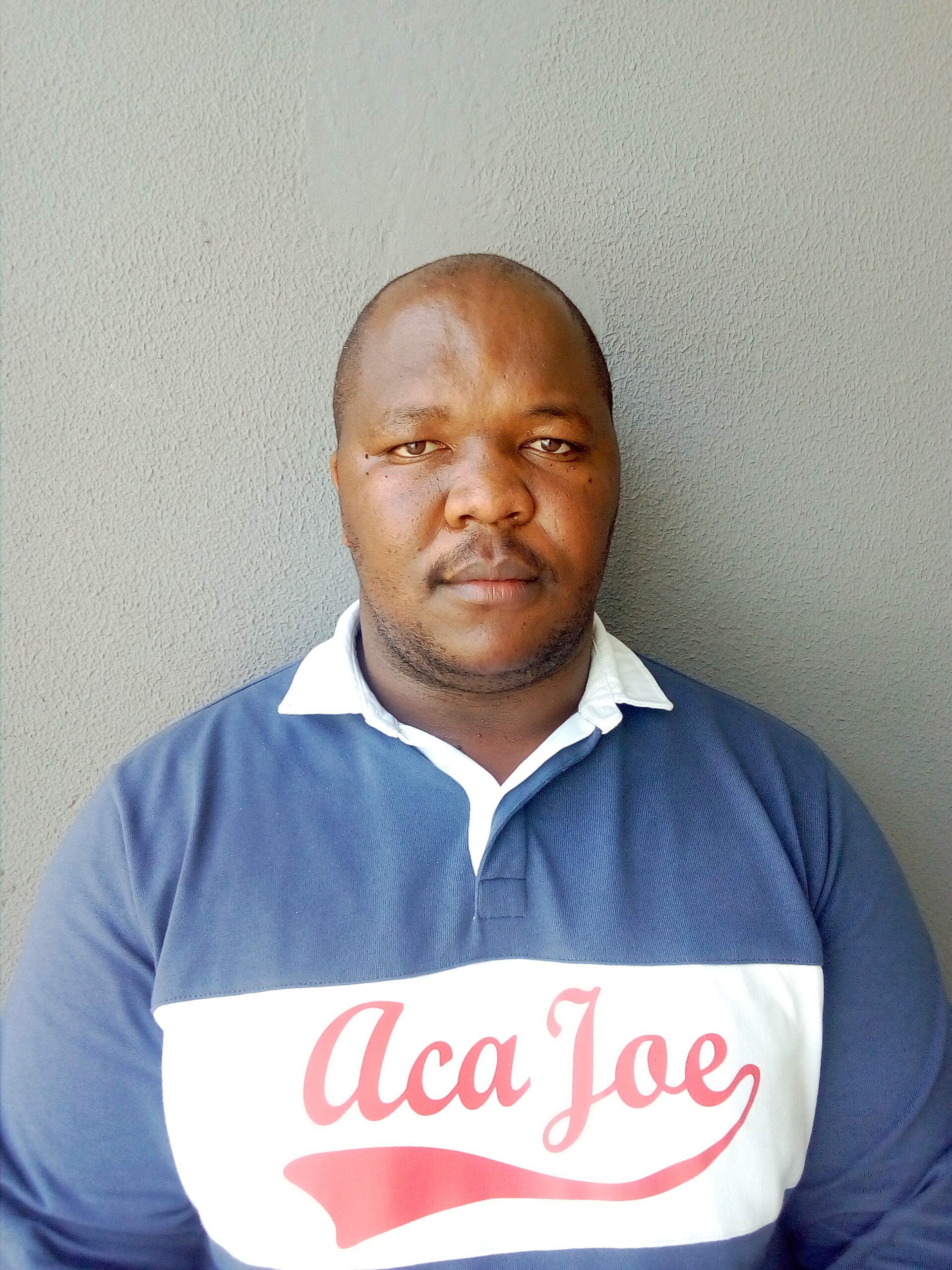
Thoboloko Ntšonyane is a dedicated journalist who has contributed to various publications. He reports on accountability, human rights, exposes corruption and wrong doing by those in power. He reports have exposed corruption, abuse of power, fraud, misconduct and negligence. He subscribes to evidence-based reporting. He reports on governance, parliament, courts, climate change, human rights, sexual and reproductive health rights (SRHR), health, business and agriculture. He gives a voice to the marginalised while also demanding accountability. His work inspires change, triggers dialogue and also promote transparency in a society.