
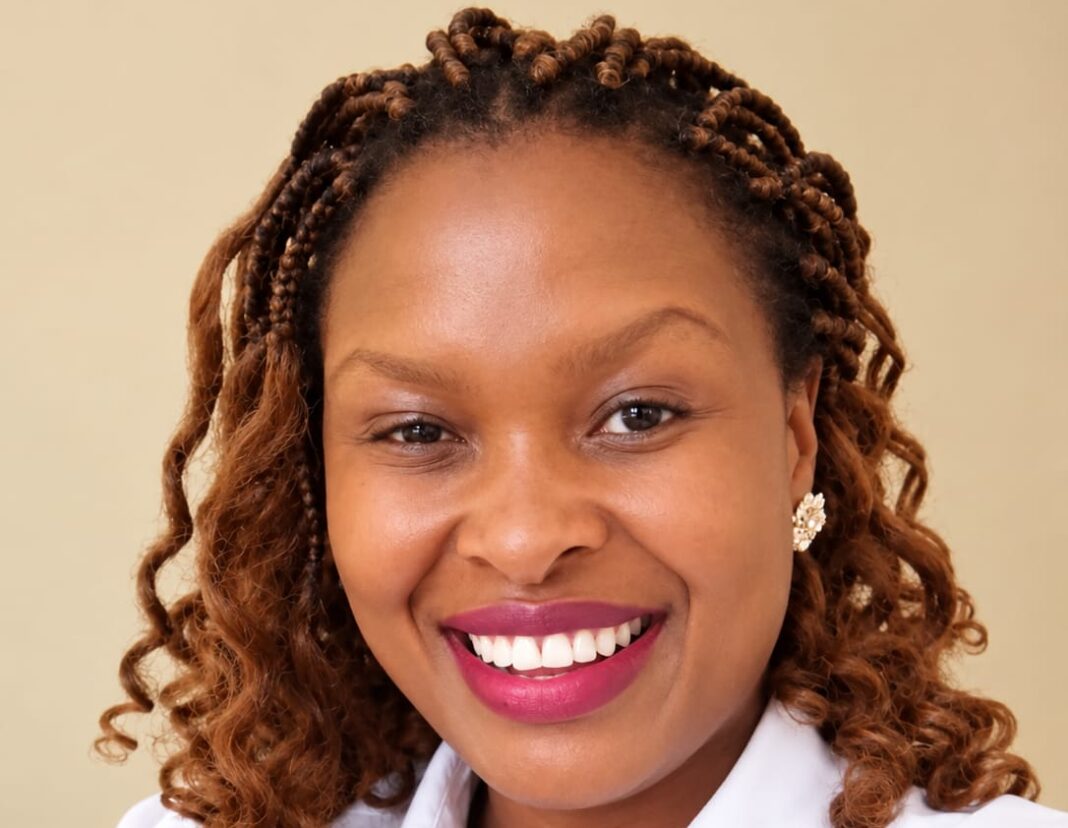
This September, as countries around the world mark Deaf Awareness Month, ‘Mamaliela Qhalehang, an educator, sign language interpreter, civic leader, and founder of the LSL Inclusive Education Initiative, is urging the public to look beyond simple awareness and focus on true inclusion.
“Deaf Awareness Month is not just about talking about deafness,” said Qhalehang.
“It is about recognising Deaf people’s rights, language, culture, and identity. It should challenge the barriers that Deaf people still face in education, employment, and everyday life.”
Qhalehang, who works to help hearing children understand inclusion from an early age, said that real progress is measured by everyday access.
“Are there qualified sign language interpreters? Is there accessible information and inclusive education? Can Deaf people participate fully in work and community life?” she asks.
According to the World Federation of the Deaf, over 70 million Deaf people worldwide use sign language as their first language, yet many still struggle to access basic services.
A recent World Health Organization (WHO) report estimates that more than 430 million people globally need rehabilitation for their hearing loss, and many still lack access to sign language information or interpretation.
Qhalehang pointed out that while some countries have recognised sign language in law, there is often a gap between recognition and real support.
“A Deaf person should not have to fight for communication or information at school, at work, or in emergencies,” she said.
Qhalehang also highlighted the importance of changing how society sees deafness, from a medical condition to a cultural and linguistic identity.
“Sign languages are complete languages, not just gestures or simplified versions of spoken language. When hearing children learn sign language, they learn to communicate, not just assume.”
For families of Deaf children, Qhalehang stressed the need for early and balanced information.
“Families need to know all the communication options, including sign language, and need support from Deaf adults and organisations. No child should have to wait until school to learn their first language,” she said.
The International Labour Organization reports that Deaf people are more likely to be unemployed or underemployed. Qhalehang notes that the barriers begin with unequal access to education and continue into the workplace, where employers may still have misconceptions about Deaf people’s abilities.
Technology, such as AI-generated captions, is helpful but not a complete solution. “Technology can help, but it should never replace qualified interpreters,” “We must always ask, does the technology provide reliable and meaningful communication for the Deaf person?” Qhalehang warned.
“Awareness alone is not enough. Awareness should lead to communication, then participation, and finally real inclusion,” she said.
Summary
- This September, as countries around the world mark Deaf Awareness Month, ‘Mamaliela Qhalehang, an educator, sign language interpreter, civic leader, and founder of the LSL Inclusive Education Initiative, is urging the public to look beyond simple awareness and focus on true inclusion.
- A recent World Health Organization (WHO) report estimates that more than 430 million people globally need rehabilitation for their hearing loss, and many still lack access to sign language information or interpretation.
- “A Deaf person should not have to fight for communication or information at school, at work, or in emergencies,” she said.
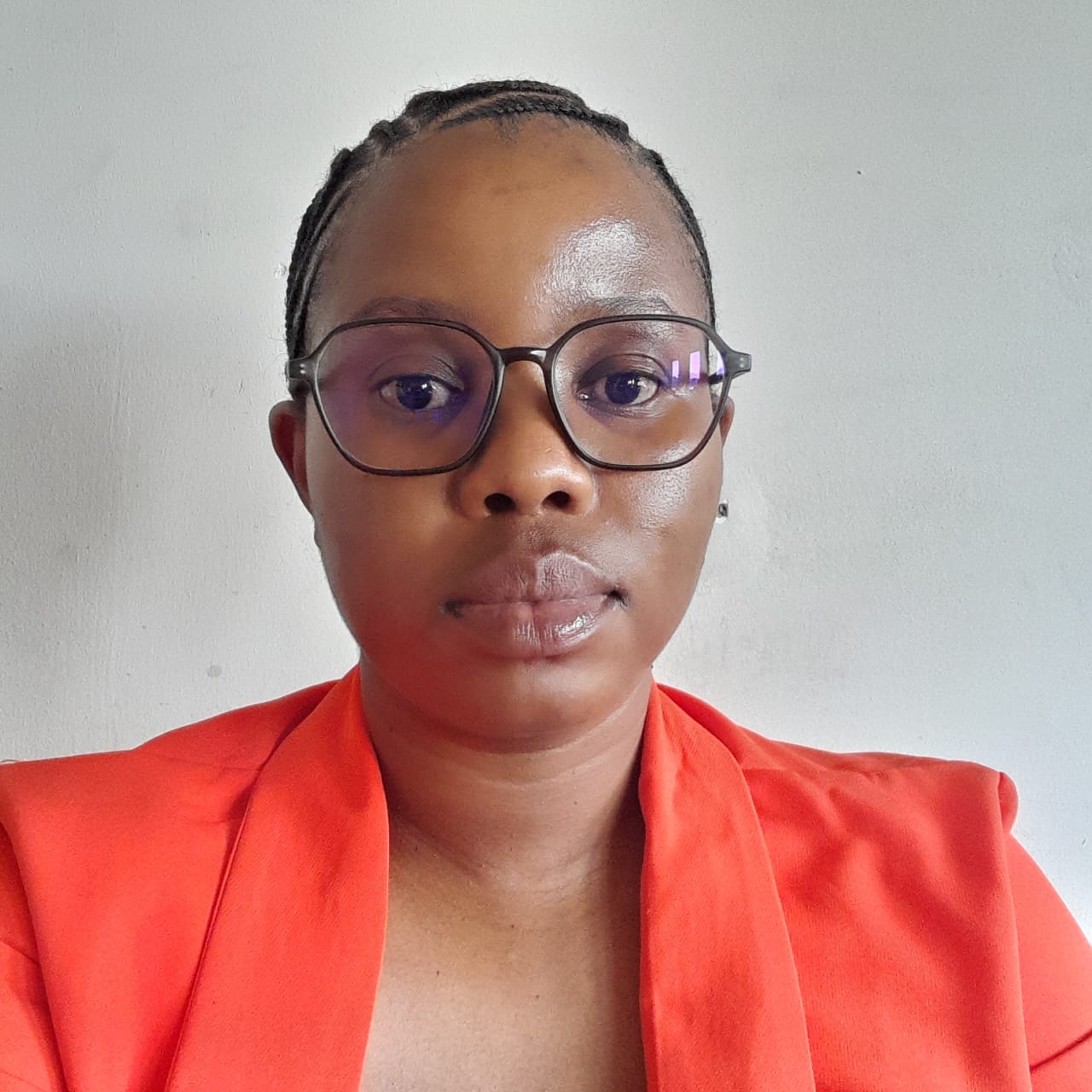
Ntsoaki Motaung is an award-winning health journalist from Lesotho, specializing in community health stories with a focus on sexual and reproductive health and rights, as well as HIV. She has contributed to platforms like “Be in the KNOW,” highlighting issues such as the exclusion of people with disabilities from HIV prevention efforts in Lesotho.
In addition to her journalism, Ntsoaki serves as the Country Coordinator for the Regional Media Action Plan Support Network (REMAPSEN). She is also a 2023 CPHIA Journalism Fellow.