
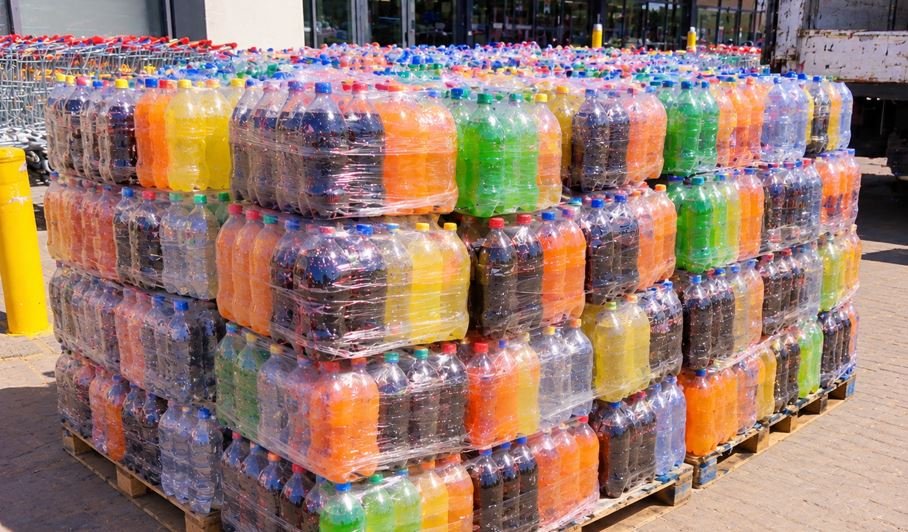
The Ministry of Health has acknowledged public concern about soft drinks and bottled water stored in plastic containers and exposed to direct sunlight in shops.
It said international research suggests the risk to consumers is low under normal conditions.
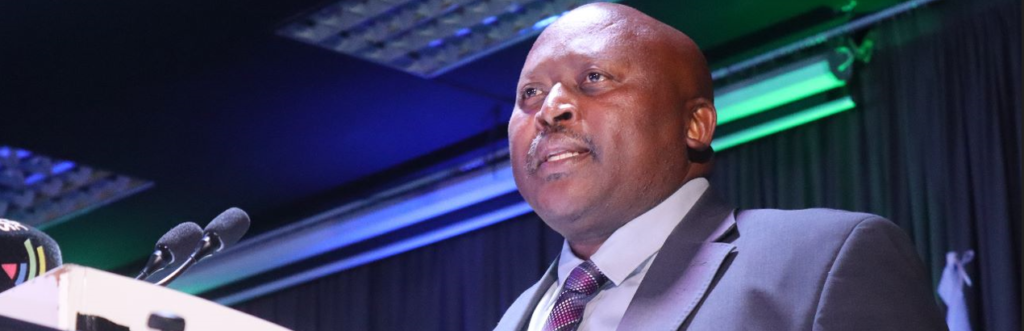
Tourism Minister Mputi Stephen Mputi responded on behalf of the Health Minister to a parliamentary question from Stadium Area MP Mampho Tjabane.
“The Ministry of Health is aware of concerns regarding the prolonged exposure of plastic bottled beverages to direct sunlight in some supermarkets and other retail outlets,” Minister of Tourism Mputi Stephen Mputi said on behalf of the Minister of Health.
“We recognise that prolonged exposure to extreme heat and sunlight may compromise beverage quality and potentially increase the migration of certain chemical substances from plastic packaging into beverages, thereby posing potential health risks to consumers.”
The Ministry said Environmental Health Services, working with the Maseru City Council, inspects how food and beverages are stored.
“Where inappropriate storage practices are identified, business operators are advised and instructed to take corrective measures,” Mputi noted.
However, Lesotho does not test beverages for chemical contamination such as bisphenol A (BPA), because national laboratory capacity is limited. Safety checks rely instead on inspecting storage conditions and identifying possible health risks.
The country has 67 environmental health personnel, only two of them at the Maseru City Council. They also handle water quality monitoring and sanitation. How often inspections happen depends on earlier findings, complaints and available resources.
Officers give health education, issue warnings and, where resources allow, carry out follow-up visits. Products found unfit for human consumption are condemned and disposed of under public health law.
The Ministry admitted that enforcement is sometimes held back by limited resources, especially transport and logistics for disposing of large quantities of affected products.
BPA has been widely discussed in the scientific community. A 2017 study in Exposure and Health by La-or Chailurkit and colleagues tested canned carbonated drinks and bottled water in Thailand. It also checked whether sunlight raised BPA levels in bottled water.
The researchers found no detectable BPA in any bottled water, whether stored indoors or left in sunlight for up to 30 days. BPA was found in some canned carbonated drinks, but at levels described as “low, 51–340 ng/L,” well below the tolerable daily intake set by international food safety authorities.
The authors estimated that a 60 kg adult drinking one can a day at the highest level found would take in 18 nanograms of BPA per kilogram of body weight daily. The tolerable limit is 50,000.
The Ministry said it recognises the need to improve inspection and enforcement, including by setting up laboratory testing. “We are strengthening inspection and enforcement capacity, including laboratory testing, human resources, transport, and other necessary equipment for the safe handling and disposal of products to ensure effective protection of public health,” Mputi stated.
In the meantime, the Ministry advises businesses and the public to keep beverages away from direct sunlight and excessive heat to protect quality and safety.
Summary
- “The Ministry of Health is aware of concerns regarding the prolonged exposure of plastic bottled beverages to direct sunlight in some supermarkets and other retail outlets,” Minister of Tourism Mputi Stephen Mputi said on behalf of the Minister of Health.
- The authors estimated that a 60 kg adult drinking one can a day at the highest level found would take in 18 nanograms of BPA per kilogram of body weight daily.
- In the meantime, the Ministry advises businesses and the public to keep beverages away from direct sunlight and excessive heat to protect quality and safety.

Ntsoaki Motaung is an award-winning health journalist from Lesotho, specializing in community health stories with a focus on sexual and reproductive health and rights, as well as HIV. She has contributed to platforms like “Be in the KNOW,” highlighting issues such as the exclusion of people with disabilities from HIV prevention efforts in Lesotho.
In addition to her journalism, Ntsoaki serves as the Country Coordinator for the Regional Media Action Plan Support Network (REMAPSEN). She is also a 2023 CPHIA Journalism Fellow.