
Ntsoaki Motaung
Despite the primary objective of the Basic Education Strengthening Project (BESP) being to provide school uniforms for vulnerable children, Mohatla Ranko’s family utilized the funds to cover school fees.
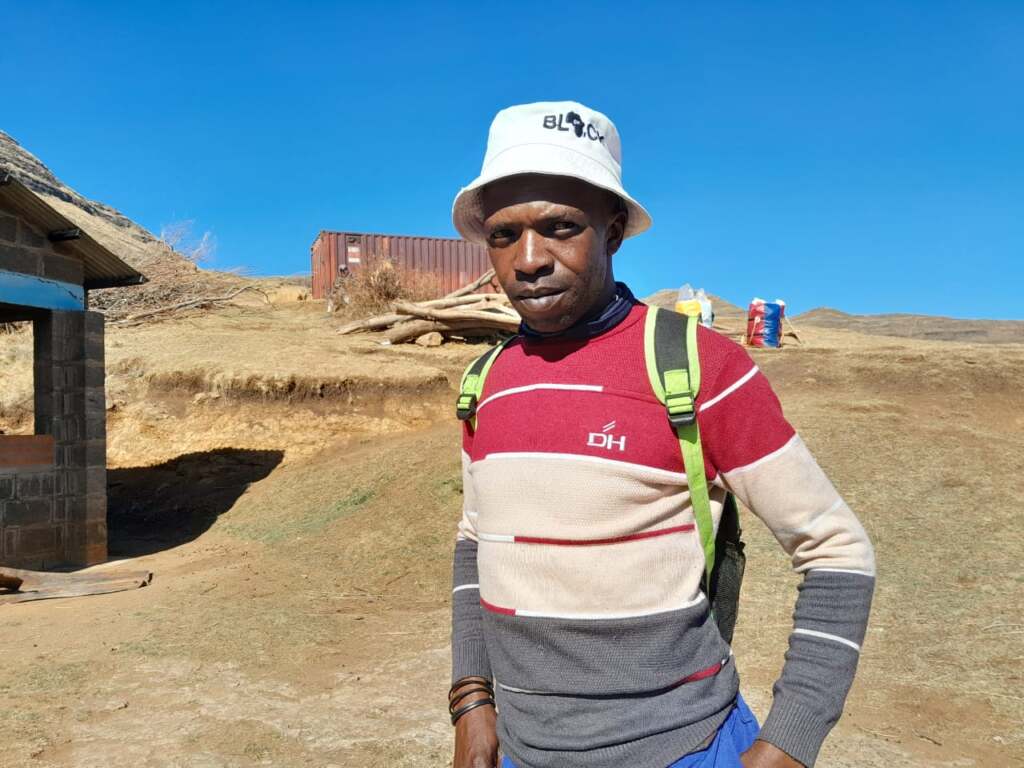
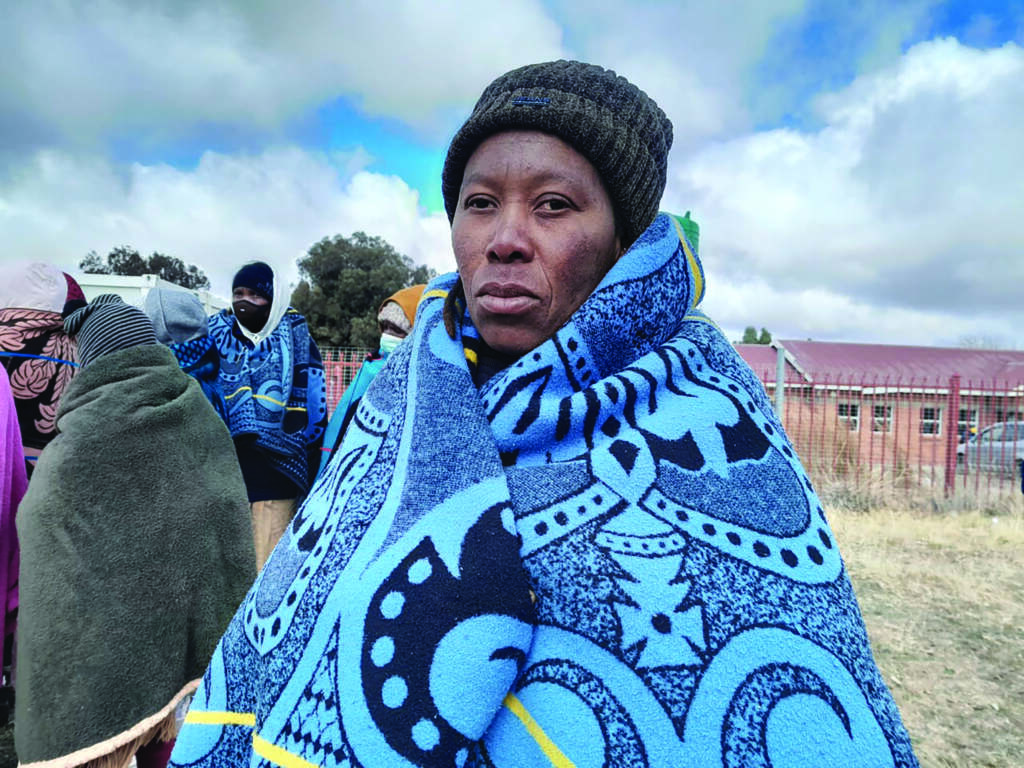
Ranko, residing in Ha Rantai Sekameng, Mafeteng district, and a mother to a 15-year-old boy attending Sekameng High School, explained that she resorted to using BESP funds to pay her son’s fees for the first quarter.
Her primary concern was ensuring her children remained in school, especially after her son repeated grade 9 and was no longer eligible for the Orphans and Vulnerable Children’s bursary (OVC-B) to cover school fees.
“Buying a uniform as I was strictly instructed was going to be useless because I was going to buy it for someone whom I knew was going to be forced to drop out of school because there was no school fees money. Paying the fee was a reasonable thing to do because I managed to keep him in school while he continues to struggle with uniform,” she explained.
Ensuring children remain in school aligns with the mandate of the Ministry of Education and Training, which is currently collaborating with the Ministry of Gender, Youth, and Social Development.
Together, they oversee the World Bank-funded Basic Education Strengthening Project (BESP). This initiative assists vulnerable children in grades 8 and 9 by providing school uniforms, aiming to support their continued education.”
The initiative also contributes to achieving the Sustainable Development Goals (SDGs), particularly SDG 4, which aims to ensure inclusive, equitable, and quality education, and promote lifelong learning opportunities for all. According to the United Nations Department of Economic and Social Affairs, without additional measures by 2030, 84 million children and youth globally will be out of school.
Ranko recalled that at the beginning of 2024 when children returned to school, she was unable to pay for her son’s first quarter fees. However, coincidentally, she was informed that her child was selected to receive funds from BESP for school uniforms.
“I was informed that the money is strictly meant for uniforms, but the main problem at that time was school fees so I decided to pay the first quarter of the school fees and buy a few things like exercise books and school shirts with the remaining balance,” she explained.
“If it were not for that money, I think my son would have been forced to drop out of school because there was no way I could afford to pay the school fees. Although I did not strictly use it for uniforms, at least I managed to keep him in school.”
Ranko lives with her husband and two children in a household where no one is employed. They earn a living by assisting others with agricultural projects during harvesting times, receiving payment in food, cash, or sometimes through employment on land rehabilitation projects (lifatofato).
According to the Ministry of Gender, Youth, and Social Development, the project provides a top-up to the Child Grant Program (CGP) of M1,500 per student, disbursed twice a year: M1,000 at the beginning of the school year and M500 in the middle of the school year.
Summary
- Ranko, residing in Ha Rantai Sekameng, Mafeteng district, and a mother to a 15-year-old boy attending Sekameng High School, explained that she resorted to using BESP funds to pay her son’s fees for the first quarter.
- “Buying a uniform as I was strictly instructed was going to be useless because I was going to buy it for someone whom I knew was going to be forced to drop out of school because there was no school fees money.
- “I was informed that the money is strictly meant for uniforms, but the main problem at that time was school fees so I decided to pay the first quarter of the school fees and buy a few things like exercise books and school shirts with the remaining balance,” she explained.

Welcome to Newsday Media – Your Trusted Source for News and Insights in Lesotho!
At Newsday Media, we are passionate about delivering accurate, timely, and engaging news and multimedia content to our diverse audience. Founded with the vision of revolutionizing the media landscape in Lesotho, we have grown into a leading hybrid media company that blends traditional journalism with innovative digital platforms.
Our mission is simple: to inform, inspire, and empower our readers by providing comprehensive coverage of local and global events, current affairs, and cultural happenings. Whether you’re looking for breaking news, in-depth analysis, or captivating storytelling, Newsday Media is your go-to destination for all things news-related.
With a dedicated team of journalists, editors, and multimedia experts, we are committed to upholding the highest standards of journalistic integrity and professionalism. We pride ourselves on delivering content that not only informs but also sparks conversation, fosters understanding, and drives positive change in our society.
From our flagship newspaper to our dynamic digital platforms, we offer a wide range of multimedia content to cater to the diverse interests and preferences of our audience. Whether you prefer to stay informed through print, online articles, videos, or podcasts, Newsday Media has something for everyone.
We believe in the power of storytelling to connect people, bridge divides, and inspire action. That’s why we’re dedicated to providing a platform for voices from all walks of life, championing diversity, inclusion, and authenticity in everything we do.
Thank you for visiting Newsday Media. We invite you to explore our website, engage with our content, and join us on our journey to inform, inspire, and empower our community. Together, let’s shape the future of media in Lesotho.