
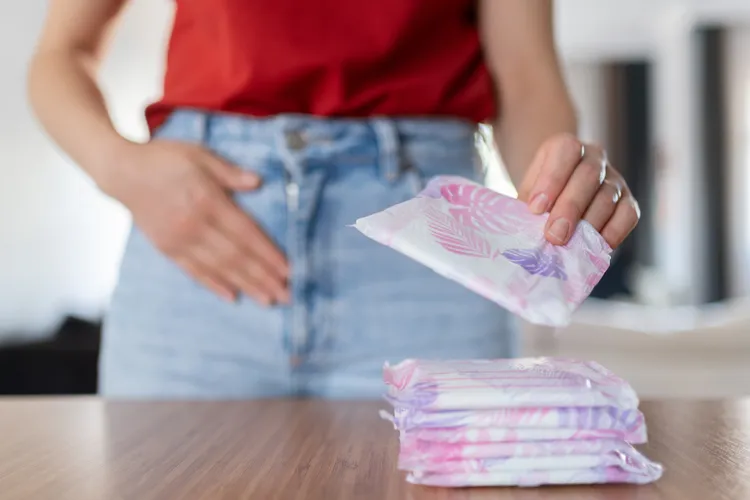
For many years, menstruation has been a topic surrounded by silence and shame, often seen as a private issue only for women and girls. In Lesotho, this is changing. There is a new focus on making menstrual health a shared responsibility for everyone, men, boys, families, schools, leaders, and communities.
Lesotho’s National Menstrual Health and Hygiene Strategy 2025–2030 is a big step forward. Including men and boys in conversations about menstruation is important. Ending stigma is not something women and girls can do alone. Society needs to be involved, especially those who shape attitudes and daily behavior.
Mokhele Lehlohonolo Matsepe, who works with children’s rights groups, says that boys are often left out of talks about menstruation. This leaves them thinking it is none of their business. In some schools, girls are sent out when menstruation is discussed, and boys are also sometimes left out of talks about men’s health. This separates boys and girls and makes health issues seem like only one gender’s problem.
Matsepe also notes that jokes and secret codes about periods make it more embarrassing. He believes boys should learn early that menstruation is natural, so they can help fight stigma rather than add to it.
Period Poverty and Its Effects
One of the biggest problems caused by stigma and lack of support is period poverty. Lineo Jane, a student, shared how her family could not afford sanitary pads. She had to use old cloth and sometimes stayed home from school during her period. This made her feel alone and ashamed, and she missed classes. Help from Hlokomela Banana, an organization that provided her with pads, made a real difference.
But giving out products is not enough. Changing people’s negative attitudes is just as important.
The Role of Schools and Male Educators
Schools are key to ending stigma because they bring boys and girls together. How teachers talk about periods affects how students feel. A male school principal who wished to remain unknown, said at his school, both boys and girls learn about menstruation together so girls do not feel ashamed. He thinks male teachers should support students who are menstruating, act in a caring way, and parents also need to be taught so they can talk to their children.
Having information is not enough, though. Schools must also provide clean toilets, safe places for girls to change, and real chances for girls to speak up about their needs. Girls should be part of decisions about how schools handle menstruation.
Traditional and Religious Leaders
Community leaders shape beliefs about periods. Paballo Motleleng, a traditional leader, explained that in some cases, women cannot enter certain spaces or take part in rituals when menstruating. Religious places may also limit what women can do during their period.
Motleleng thinks laws and education are needed to protect women and help everyone understand that menstruation is not shameful. He also admits that traditional leaders have not done enough to teach boys about periods, often because they did not learn about it themselves. This shows the need for training for leaders, who can then teach others to have respectful conversations and change harmful customs.
Lesotho’s National Strategy: Shared Responsibility
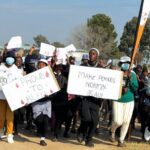
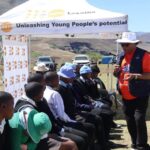
At the strategy’s launch, Minister of Gender, Youth and Social Development Pitso Lesaoana said it is time to make periods normal and for men and boys to know that menstruation is not a sickness. The strategy is built on five key ideas: menstruation is a human right; everyone should be included; community involvement; research and monitoring; and participation.
The plan includes education, better toilets and washrooms, affordable products, health services, data collection, and community engagement. UNFPA and other groups are helping with funding and technical support. The Minister of Education also mentioned new toilets for girls and students with disabilities.
Her Majesty Queen Masenate Mohato Seeiso said public and private groups must work together so that no girl misses school or woman misses work because she cannot afford menstrual products.
The strategy gives a strong plan, but success depends on real action in schools, homes, workplaces, and communities. Menstrual health is about more than hygiene; it is about human rights, gender equality, and ensuring everyone can participate in society with dignity.
The Role of Men and Boys
Men and boys are important in ending stigma. Fathers can support their daughters. Male teachers can make schools safe and respectful. Boys can stop teasing others. Leaders can look at traditions that limit women, and male officials can help with policies and resources.
But being involved is more than just talking about periods. Men and boys must listen to girls and women, respect their experiences, and keep them at the center of decisions about their health and dignity.
Some schools are teaching boys and girls together, but traditional leaders say they need more knowledge to help. This shows that awareness must be matched by education, real help, and making sure people are held responsible for change.
Ending stigma is not about taking responsibility away from women and girls. It is about making sure they do not face shame and problems alone. Lesotho’s strategy is a chance for everyone to work together so no girl or woman is left out because of her period. Men and boys must become active partners in building a society where periods are understood, and everyone’s dignity is respected.
Summary
- A male school principal who wished to remain unknown, said at his school, both boys and girls learn about menstruation together so girls do not feel ashamed.
- He thinks male teachers should support students who are menstruating, act in a caring way, and parents also need to be taught so they can talk to their children.
- At the strategy’s launch, Minister of Gender, Youth and Social Development Pitso Lesaoana said it is time to make periods normal and for men and boys to know that menstruation is not a sickness.
Ntsoaki Motaung is an award-winning health journalist from Lesotho, specializing in community health stories with a focus on sexual and reproductive health and rights, as well as HIV. She has contributed to platforms like “Be in the KNOW,” highlighting issues such as the exclusion of people with disabilities from HIV prevention efforts in Lesotho.
In addition to her journalism, Ntsoaki serves as the Country Coordinator for the Regional Media Action Plan Support Network (REMAPSEN). She is also a 2023 CPHIA Journalism Fellow.