
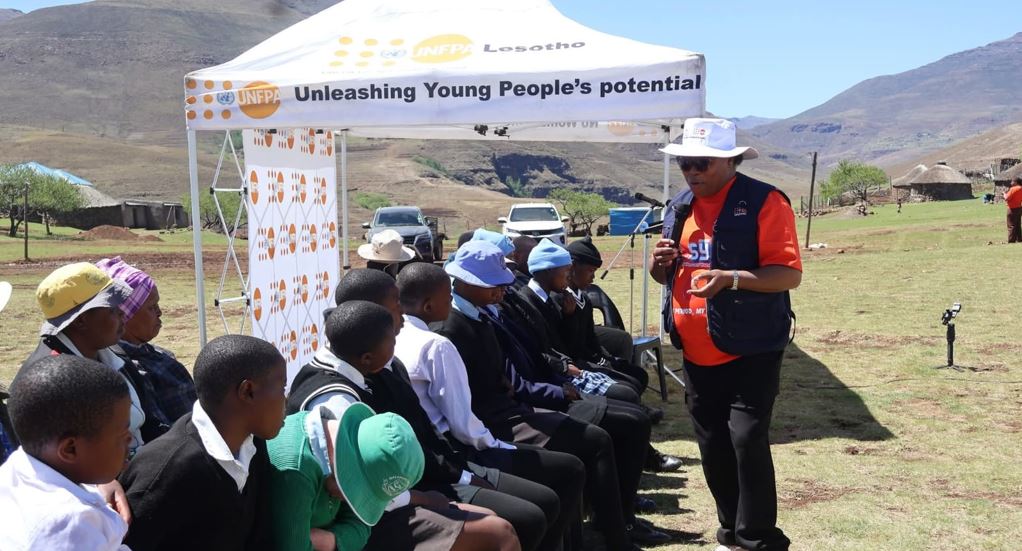
In Lesotho, period poverty is one of the factors that results in girls missing school, or even end up deciding to drop out of school for good.
When a girl goes on their periods for three days and are forced to miss school because they do not have access to sanitary towels, it means they miss school for about 36 days in year. If they take five days on their periods, that is about 60 days away from school.
According to the National Education data from the Ministry of Education and Training (MoET) and the United Nations Children Fund (UNICEF), Lesotho on period poverty (2019-2021), around 22 percent of girls miss school during menstruation due to lack of pads, privacy or support.
These are the realities witnessed by many people, girls themselves, their parents, teachers as well as the community at large.
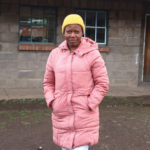
For Mosa Mpelo 22 years old from ‘Malefiloane High School in the community council of Sanqebethu, while she had a privilege of parents who always made sure she does not lack sanitary towels, she has witnessed her friends and classmates missing school because of period poverty.
“To help, I used to carry some pads with me to school even when I was not on my periods, the only reason was that if there is one girl in need of them at school, I would give some to them. I hated seeing my fellow girls uncomfortable or even missing school because they have no pads,” she said.
Mpelo appreciated the Menstrual Health and Hygiene Project by the Ministry of Gender, Youth and Social Development with support from the United Nations Population Fund (UNFPA) to distribute sanity towels, across Lesotho to girls in and out of school as well as women with disabilities.
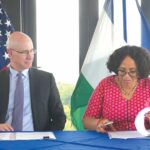
The programme was officially launched in the district of Mokhotlong Ha Senkoase in November 2025.
“I am grateful for the initiative because the pads are so helpful because we come from different families with different abilities. Some of the girls do not go school because they are uncomfortable going to school when they are on their periods without pads,” she said.
Mpelo said being on periods also has some stigma. “Girls fear going to school because they are afraid that, if they stain themselves, they are going to have unusual looks from their peers. Apart from that they find it difficult to ask for a pad from others, that is why some choose to stay at home and miss school during those days.”
She said this result in declined performance of such a learner. “As a result I am grateful for the initiative because already it is achieving its intended meaning of making sure that no girl misses school because they do not have pads. The initiative has also helped to deal with discrimination because there are no longer those who would gossip about others for borrowing pads from them,” she said.
Puseletso Mahlelebe from the Ministry of Gender, Youth and Social Development indicated that in the community council of Sanqebethu, they have managed to distribute sanitary towels to all the schools except for only two primary schools where no girls are already seeing their periods.
She indicated that, one of the challenges they faced with is being unable to reach other places, which she can say are hard to reach areas. “We are mostly challenged when trying to access out of school girls. Even when we would have tried to go close, it is very difficult for them to meet us on the way because sometimes rivers are full. We are making a plea to UNFPA to help in that regard,” she said.
Globally, an estimated 500 million women and girls lack access to menstrual products and adequate facilities.
According to ’Maseretse Ratiea, National Programme Analyst for Adolescents and Young People at UNFPA said the project is a coordinated initiative between the Ministry of Gender, Youth and Social Development and UNFPA.
Providing a broader perspective, UNFPA Country Representative John Kennedy Mosoti highlighted that at least 10 percent of girls drop out of school due to menstruation, a figure he described as conservative.
Mosoti noted that the situation is even more severe for girls from disadvantaged backgrounds and those living with disabilities.
During the launch of the programme, UNFPA had procured 109,000 sanitary pads and 250 related products to support approximately 8,000 adolescent girls aged 10 to 18, both in and out of school.
The pilot programme run from November 2025 to March 2027 in Mokhotlong, Mafeteng and Maseru, after which the Government of Lesotho is expected to assume full implementation in the following fiscal year.
Mosoti said this is one of the flagship programs that, for UNFPA, are very important. “And we realise that it is important because it helps keep the girls in school. We have seen that because we have the research that shows that menstruation affects girls differently, especially in different parts and rural areas where we see them dropping out of school.
He said Menstruation is a natural thing. “Menstruation is the reason why we are alive, all of us. Every single person in here and in the world is alive because of menstruation. And therefore, we do not want to shame girls when accidents happen. And I know boys sometimes do that, girls can understand, but boys sometimes shame girls because an accident has occurred in schools, or in social places, or even at home. And this is something that we as boys, as men, we have to stop,” he said.
“I was asking a few girls today in the morning, some of the ambitions and the potentials that they have as girls, and they talked about teachers, talked about being nurses and police officers, and being helpful to the community, but the most important issue I told them, that is not going to happen if you are going to drop out of school, and certainly it is not going to happen if you get pregnant or if you become married at a young age,” he said.
Under Lesotho law and international treaties, menstrual health is recognised not merely as hygiene issue, but as a fundamental human right linked to health, education, and bodily autonomy.
Lesotho’s 1993 Constitution, the Children’s Protection and Welfare Act of 2011, and the 2019 removal of the 15 percent VAT on sanitary pads establish the government’s duty to ensure menstrual products and Sexual and Reproductive health (SRH) education are accessible.
Nationally and regionally, supported by the African Union’s Maputo Protocol and global frameworks like CEDAW, the law mandates that states remove physical and financial barriers to menstrual dignity, particularly to keep girls in school and safeguard their reproductive health.
Summary
- When a girl goes on their periods for three days and are forced to miss school because they do not have access to sanitary towels, it means they miss school for about 36 days in year.
- “To help, I used to carry some pads with me to school even when I was not on my periods, the only reason was that if there is one girl in need of them at school, I would give some to them.
- Mpelo appreciated the Menstrual Health and Hygiene Project by the Ministry of Gender, Youth and Social Development with support from the United Nations Population Fund (UNFPA) to distribute sanity towels, across Lesotho to girls in and out of school as well as women with disabilities.
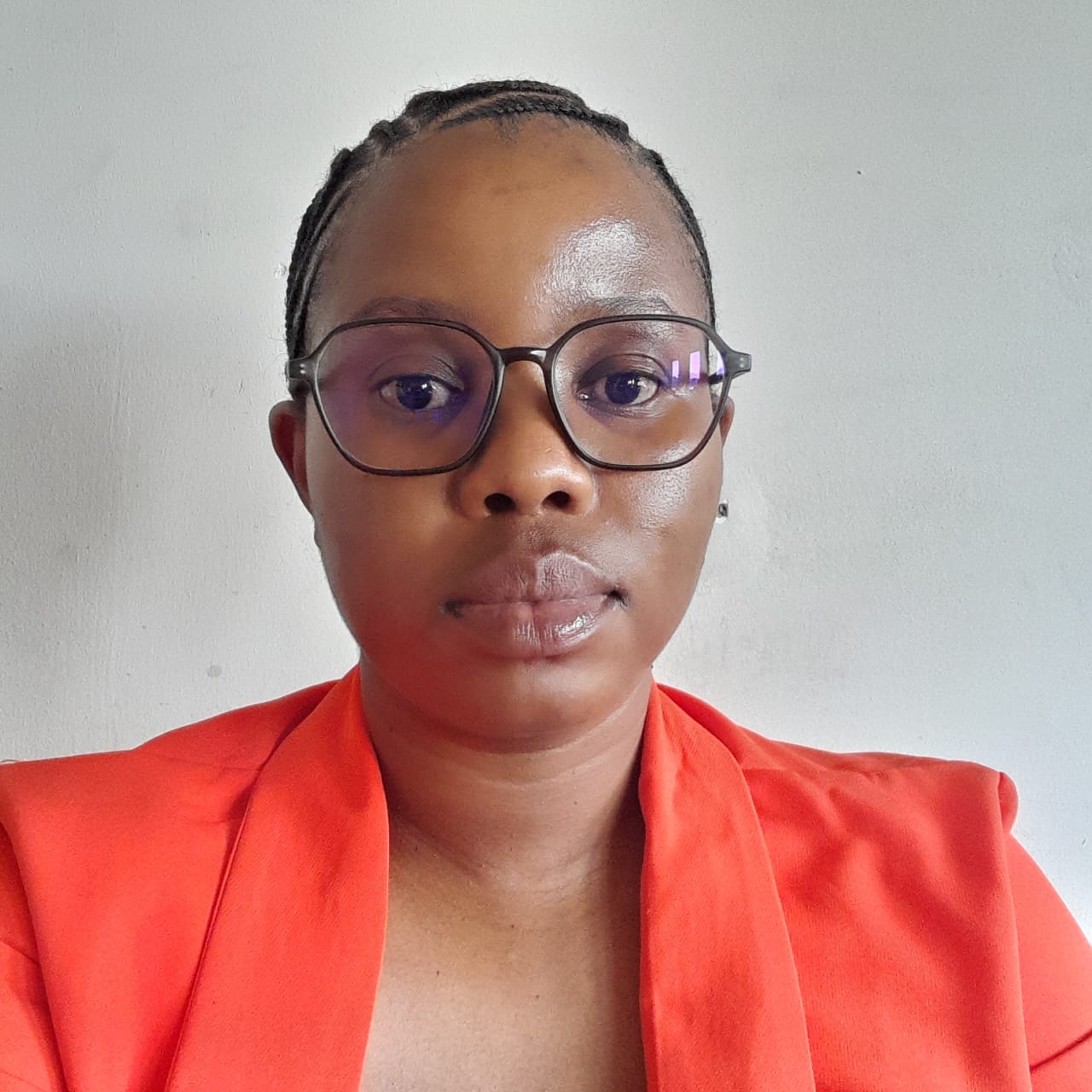
Ntsoaki Motaung is an award-winning health journalist from Lesotho, specializing in community health stories with a focus on sexual and reproductive health and rights, as well as HIV. She has contributed to platforms like “Be in the KNOW,” highlighting issues such as the exclusion of people with disabilities from HIV prevention efforts in Lesotho.
In addition to her journalism, Ntsoaki serves as the Country Coordinator for the Regional Media Action Plan Support Network (REMAPSEN). She is also a 2023 CPHIA Journalism Fellow.