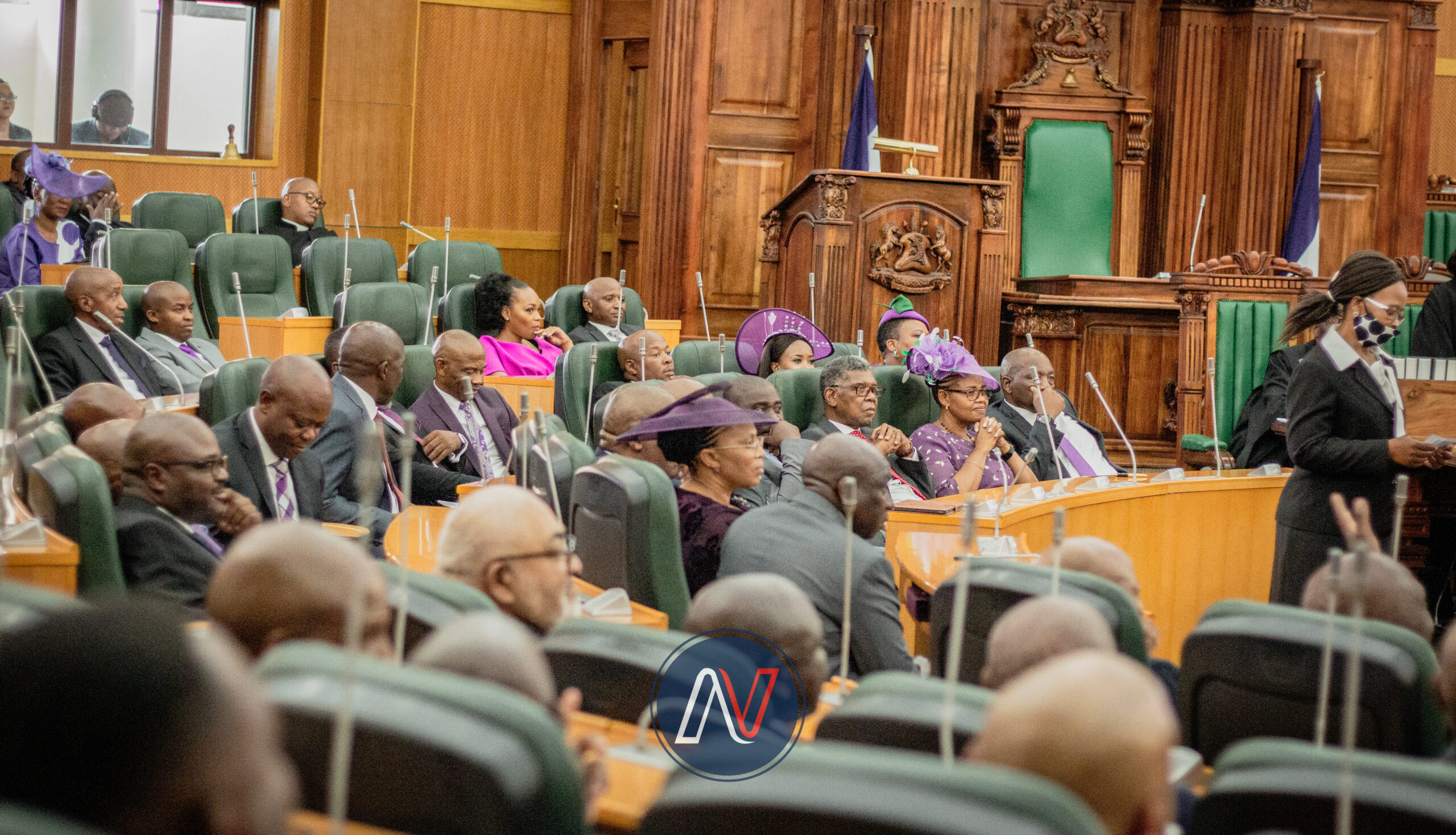

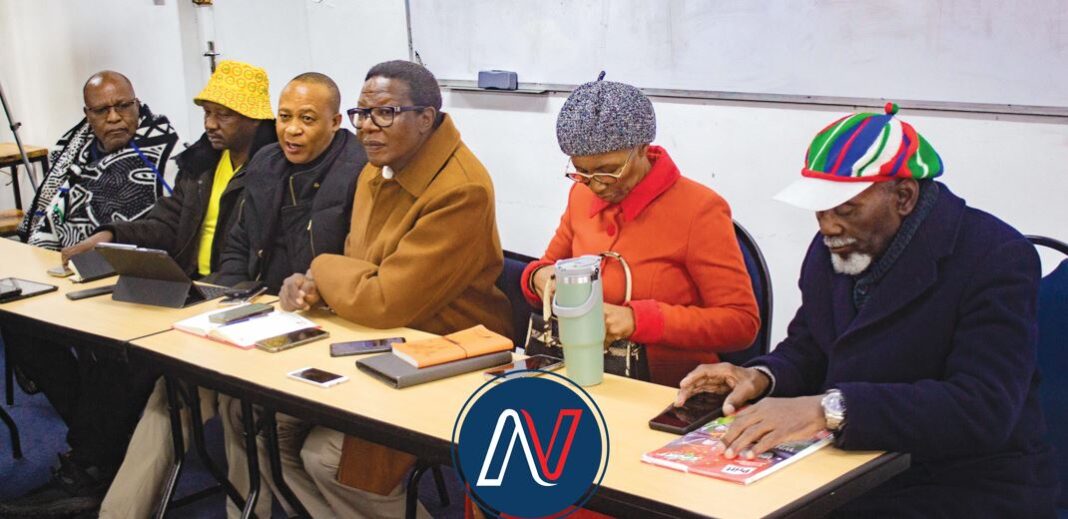
For more than three and a half years, Prime Minister Ntsokoane Matekane has governed without once answering questions from rank-and-file lawmakers in Parliament. Now, an opposition leader is trying to force the issue, with a motion that could set a major precedent for executive accountability in Lesotho.
Remaketse Sehlabaka, leader of the Mpulule Political Summit (MPS) and a member of the opposition in the National Assembly, has filed a notice to move a motion declaring that the prime minister is constitutionally obligated to appear before the legislature for questioning, and that no parliamentary resolution can waive that duty.
Matekane, a wealthy businessman turned politician who took office in October 2022, has never submitted himself to backbench questions. On the rare occasions he has spoken in the House, it has been largely to second budget motions. When lawmakers direct questions to his portfolio, he delegates responses to the minister in the Prime Minister’s Office.
Critics say the pattern amounts to routine avoidance of direct accountability.
Sehlabaka’s motion, which has not yet been scheduled for debate, seeks to declare null and void any resolution that purports to excuse the prime minister from appearing before the House, arguing that such a manoeuvre would be inconsistent with Standing Order 27, the parliamentary rule governing the prime minister’s attendance.
The motion also affirms that the prime minister’s obligation to appear, answer questions, and address matters of national importance is mandatory, and “cannot be waived, suspended or overridden by a simple majority vote,” according to a copy of the filing.
Furthermore, the motion urges the House to resolve that a failure by the prime minister to comply with the standing order constitutes a breach of parliamentary privilege and an erosion of legislative oversight. It calls for the House to order Matekane to appear on the next sitting day designated for questions to the prime minister, and for the clerk of the National Assembly to communicate the resolution immediately.
The frustration extends beyond party lines.
Lawmakers have repeatedly sought to question Matekane on issues of acute public concern: a soaring crime rate, widespread gender-based violence and femicide, and persistently high fuel prices. None of those questions have been answered by the prime minister directly.
This is not the first attempt to compel his appearance. Before his appointment as a minister, Motlatsi Maqelepo moved a similar motion proposing that questions be submitted to the prime minister days in advance, allowing him time to study them, consult, and prepare responses. That motion was defeated.
Sehlabaka said in an interview that he is prepared for any outcome, but that he has been canvassing fellow lawmakers to support the motion. He described the effort as a matter of constitutional duty, not political theatre.
“This time around it’s different,” he said. “I need Parliament as a collective to declare its stand and position on these constitutional legal issues. Following due legal processes as part of my parliamentary duties, I intend to push through to fulfill my obligations and responsibility.”
He added: “The prime minister must appear before Parliament to properly account to the people. It is not discretionary.”
In unusually blunt language for a parliamentary manoeuvre, Sehlabaka also threatened legal action if the prime minister and the cabinet do not address what he called his “parliamentary and constitutional concerns.”
“It is a matter of both responsibility and duty that is an obligation — not a political display,” he said.
For now, the motion sits in procedural limbo. No date has been set for debate. But the underlying question, whether Lesotho’s head of government can be compelled to face elected lawmakers, is very much alive.
And in a country where previous prime ministers have appeared for question time, Matekane’s sustained absence has become, for his critics, a quiet constitutional crisis in the making.
Summary
- Remaketse Sehlabaka, leader of the Mpulule Political Summit (MPS) and a member of the opposition in the National Assembly, has filed a notice to move a motion declaring that the prime minister is constitutionally obligated to appear before the legislature for questioning, and that no parliamentary resolution can waive that duty.
- The motion also affirms that the prime minister’s obligation to appear, answer questions, and address matters of national importance is mandatory, and “cannot be waived, suspended or overridden by a simple majority vote,” according to a copy of the filing.
- It calls for the House to order Matekane to appear on the next sitting day designated for questions to the prime minister, and for the clerk of the National Assembly to communicate the resolution immediately.
Thoboloko Ntšonyane is a dedicated journalist who has contributed to various publications. He reports on accountability, human rights, exposes corruption and wrong doing by those in power. He reports have exposed corruption, abuse of power, fraud, misconduct and negligence. He subscribes to evidence-based reporting. He reports on governance, parliament, courts, climate change, human rights, sexual and reproductive health rights (SRHR), health, business and agriculture. He gives a voice to the marginalised while also demanding accountability. His work inspires change, triggers dialogue and also promote transparency in a society.