
Theko Tlebere
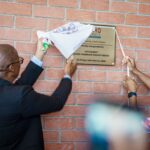
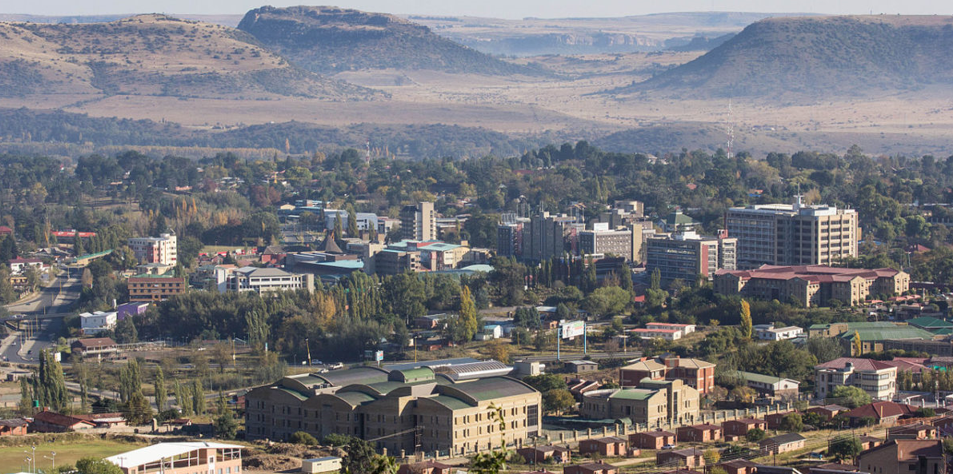
The newly inaugurated Botho University campus in Maseru is an impressive addition to Lesotho’s higher education landscape. Originally from Botswana, the institution has made a significant investment in the country, bringing with it modern infrastructure, academic resources, and an expanded platform for skills development. The new campus is a symbol of progress, featuring state-of-the-art lecture halls, high-tech libraries, and advanced student facilities.
At first glance, this development appears to be a step in the right direction for Lesotho’s national growth. However, beneath the surface, the decision to place yet another university in Maseru reinforces a longstanding and troubling pattern of unequal development one that continues to sideline the rest of the country. The question that lingers is: Why Maseru again?
While it makes sense for investors to establish institutions in the capital, where infrastructure and services are more developed, this approach exacerbates regional inequalities. In a country with ten districts, why do higher education institutions remain concentrated in only one? This is not just a matter of academic opportunity, it reflects the broader national development problem that has kept rural districts trapped in underdevelopment.
Beyond Maseru, infrastructure investment in education remains painfully inadequate. While a single new government building is under construction in Mokhotlong, many other districts, such as Thaba-Tseka, Quthing, and Qacha’s Nek, have nothing substantial to show in terms of modern infrastructural facilities. Young people in these regions must either relocate to Maseru for higher education or settle for limited options closer to home. The lack of universities outside Maseru forces students to leave their home districts, weakening the economic and social fabric of these regions.
Instead of distributing educational development more equitably across the country, Lesotho continues to reinforce a capital-centric model of growth that leaves most of the country behind. The issue with Botho University’s location is not an isolated case. It is part of a much larger pattern that defines Lesotho’s national development strategy, a strategy that overwhelmingly favours Maseru at the expense of other districts.
This centralisation has led to severe disparities in infrastructure, economic opportunities, healthcare, and education, making it difficult for rural communities to participate meaningfully in national progress. The construction of a 2025 single university campus in Maseru is a reminder that national development in Lesotho remains deeply imbalanced. While Maseru continues to expand with new investments, other regions remain stagnant, lacking basic resources to improve the lives of their people.
This article explores the pressing need for a restructured development approach, one that decentralises economic and social growth across all ten districts. If Lesotho is to achieve true national development, investment in higher education, infrastructure, and economic opportunities must extend beyond the capital.
National development is a multidimensional process that encompasses not only economic growth but also social progress, institutional strengthening, and an overall enhancement of the quality of life for all citizens. In Lesotho, however, development has been predominantly concentrated in Maseru, leading to a significant divide between the capital and rural areas.
While Maseru benefits from superior infrastructure, vibrant economic activity, and better access to essential services, the rest of the country grapples with underdevelopment, limited job opportunities, and inadequate service delivery.
To fully understand national development in Lesotho, it is important to contextualise it within the frameworks set by international organisations like the African Union (AU) and the United Nations (UN). The AU’s Agenda 2063 envisions inclusive economic growth, human capital development, and infrastructure expansion, while the UN’s Sustainable Development Goals (SDGs) underscore objectives such as poverty eradication, quality education, accessible healthcare, and economic diversification.
Despite Lesotho’s alignment with these global aspirations, progress has been uneven, with rural districts consistently lagging in nearly all development indicators.
The challenge for Lesotho extends beyond merely achieving economic growth; it lies in ensuring that this growth is inclusive. The existing development structure favors urban areas, particularly Maseru, leaving the majority of Basotho without the necessary resources and opportunities to improve their living conditions. For Lesotho to attain meaningful and sustainable national development, economic and social progress must be experienced across all ten districts, not just in the capital.
Economic activities in Lesotho are heavily concentrated in Maseru, which serves as the hub for financial, industrial, and administrative functions. The capital houses most government offices, financial institutions, and commercial enterprises. Manufacturing and textiles, key drivers of the country’s economy, are predominantly centered in Maseru and its surroundings. Additionally, remittances from Basotho working in South Africa, an essential source of household income, are more accessible to urban residents than to those in remote areas.
Government jobs, representing a large segment of formal employment, are also primarily based in the capital, further entrenching its economic supremacy.
This urban-centric approach has created a stark imbalance, whereby rural areas suffer from inadequate infrastructure, insufficient healthcare services, weak educational institutions, and limited economic opportunities.
While Maseru boasts relatively modern hospitals, many districts, such as Mokhotlong, Qacha’s Nek, and Thaba-Tseka, have restricted access to healthcare facilities, often forcing residents to travel long distances for medical services. The road network is also heavily biased toward the capital, hindering rural businesses’ access to markets and stifling productive economic activities. The future is NOW!
… to be continued.
Summary
- Beneath the surface, the decision to place yet another university in Maseru reinforces a longstanding and troubling pattern of unequal development one that continues to sideline the rest of the country.
- It is part of a much larger pattern that defines Lesotho’s national development strategy, a strategy that overwhelmingly favours Maseru at the expense of other districts.
- To fully understand national development in Lesotho, it is important to contextualise it within the frameworks set by international organisations like the African Union (AU) and the United Nations (UN).

Welcome to Newsday Media – Your Trusted Source for News and Insights in Lesotho!
At Newsday Media, we are passionate about delivering accurate, timely, and engaging news and multimedia content to our diverse audience. Founded with the vision of revolutionizing the media landscape in Lesotho, we have grown into a leading hybrid media company that blends traditional journalism with innovative digital platforms.
Our mission is simple: to inform, inspire, and empower our readers by providing comprehensive coverage of local and global events, current affairs, and cultural happenings. Whether you’re looking for breaking news, in-depth analysis, or captivating storytelling, Newsday Media is your go-to destination for all things news-related.
With a dedicated team of journalists, editors, and multimedia experts, we are committed to upholding the highest standards of journalistic integrity and professionalism. We pride ourselves on delivering content that not only informs but also sparks conversation, fosters understanding, and drives positive change in our society.
From our flagship newspaper to our dynamic digital platforms, we offer a wide range of multimedia content to cater to the diverse interests and preferences of our audience. Whether you prefer to stay informed through print, online articles, videos, or podcasts, Newsday Media has something for everyone.
We believe in the power of storytelling to connect people, bridge divides, and inspire action. That’s why we’re dedicated to providing a platform for voices from all walks of life, championing diversity, inclusion, and authenticity in everything we do.
Thank you for visiting Newsday Media. We invite you to explore our website, engage with our content, and join us on our journey to inform, inspire, and empower our community. Together, let’s shape the future of media in Lesotho.