
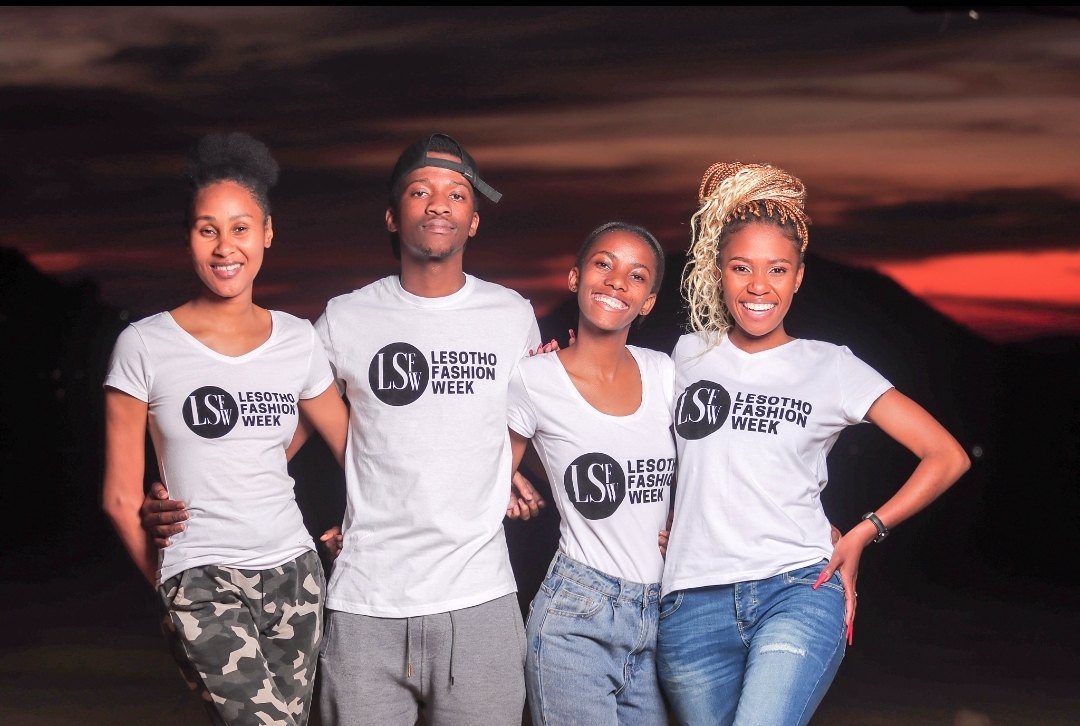
For several years, Lesotho Fashion Week (LFW) served as one of the country’s most visible platforms for fashion and creative expression, providing designers, models, and stylists with an opportunity to showcase their work on a national stage.
More than three years ago, however, the event was halted, leaving a noticeable gap in Lesotho’s creative calendar.
Speaking on the matter, Mahali Granier, founder and executive director of LFW, says the decision to discontinue the event was shaped by a combination of personal, operational, and industry-related challenges.
LFW was established as a personal investment by Granier, driven by a desire to support and empower young Basotho creatives. Over time, the platform became a key space for emerging designers and models, helping to elevate local talent and position fashion as a viable creative industry in Lesotho.
However, sustaining the initiative required significant personal commitment, financially, emotionally, and administratively.
“The decision to discontinue Lesotho Fashion Week was driven by multiple factors,” Granier explains.
“Although it began as a significant personal investment intended to empower and support young Basotho, the project eventually became a source of immense stress.”
Beyond the demands of organising a national fashion platform, Garner says she encountered difficulties linked to broader industry practices. In particular, she highlights challenges related to working with some local modeling agencies.
“I also worked with some local modeling agencies that were unfortunately taking advantage of their models financially,” she said.
Addressing these issues required frequent engagement with law enforcement and regulatory processes, which gradually shifted the focus away from creative development.
According to LFW’s producer Thato Fonya, the challenges intensified in the period following the COVID-19 pandemic, when funding and sponsorship became increasingly difficult to secure. He says it was during this time that the decision was taken by the executive director to halt operations.
“She alluded to the lack of financial support as the main reason for halting the event, which was very prestigious and required approximately M200,000 per season, with two seasons held each year,” Fonya said.
He explained that the scale and cost of producing a fashion week of that standard made it unsustainable without consistent financial backing.
Fonya added that beyond institutional funding challenges, the post-pandemic period also placed strain on individuals responsible for delivering the event on the ground.
“After COVID, there were a lot of challenges that arose for us as individuals,” he said.
“As someone who was directly involved in making the event happen, I encountered significant financial constraints and needed to focus on stabilising my own situation.”
These pressures, combined with the broader operational demands of running a national creative platform, gradually eroded the sustainability of the event.
Granier describes the decision to halt Lesotho Fashion Week as a gradual process rather than a single defining moment. The cumulative weight of financial pressures and operational challenges ultimately led her to step back entirely.
“It was a lot of stuff,” she said without being drawn to explain further.
“I don’t know where to start and would appreciate to not be drawn into further details.”
After years of sustained effort, she chose to prioritise her well-being, bringing the initiative to a close.
Despite stepping away, Granier remains open to the continuation of LFW under new leadership. She has expressed a willingness to relinquish the rights to the platform should others wish to take it forward.
“But whoever wishes to continue, I will be happy to relinquish the rights, without any hesitation,” she says.
Her position leaves room for a potential revival, one that may benefit from stronger institutional structures, shared responsibility, and long-term financial support.
The halting of LFW underscores the challenges faced by creative initiatives that rely heavily on personal investment and limited funding streams. It also raises broader questions about sustainability, governance, and post-pandemic recovery within Lesotho’s creative economy.
While the platform remains inactive, its legacy continues to shape conversations about how creative industries in Lesotho can be better supported to ensure resilience and longevity.
Summary
- For several years, Lesotho Fashion Week (LFW) served as one of the country’s most visible platforms for fashion and creative expression, providing designers, models, and stylists with an opportunity to showcase their work on a national stage.
- Speaking on the matter, Mahali Granier, founder and executive director of LFW, says the decision to discontinue the event was shaped by a combination of personal, operational, and industry-related challenges.
- Over time, the platform became a key space for emerging designers and models, helping to elevate local talent and position fashion as a viable creative industry in Lesotho.

A Professional Communications practitioner with a wealth of expertise in marketing, public speaking, communication and media relations. I believe in learning everyday and improving one’s personal and professional capabilities.
* A former journalist and radio host who is passionate about media and it’s impact on society.