
… As M900m project targets 147,000 people
The World Bank Group has approved a US$50-million (approximately M900-million) concessional credit for Lesotho to expand electricity access to nearly 147,000 people and businesses under a new clean energy programme aimed at closing persistent gaps in rural electrification.
The financing, channelled through the International Development Association (IDA), will support the Accelerating Sustainable and Clean Energy Access Transformation in Lesotho (ASCENT–Lesotho) project, a programme that seeks to accelerate grid expansion and deploy off-grid solar systems in hard-to-reach areas.
In a statement, the World Bank said the initiative is designed to “bring reliable, affordable electricity to nearly 147,000 residents and businesses, reduce energy poverty, and create the conditions for stronger household incomes and private sector growth”.
Despite progress over the past two decades, Lesotho’s electricity access rate remains uneven. National coverage has risen from about seven percent in 2004 to 59 percent in 2024, but the pace of new connections, estimated at roughly 4,000 per year, remains far below what is required to achieve universal access by 2030.
That target would require more than 45,000 new connections annually, according to the World Bank, with rural areas still significantly behind urban centres.
The gap is particularly stark in mountainous and remote regions, where only 43 percent of households have electricity compared with 84 percent in urban areas. Many families continue to rely on kerosene, candles and biomass for lighting and cooking.
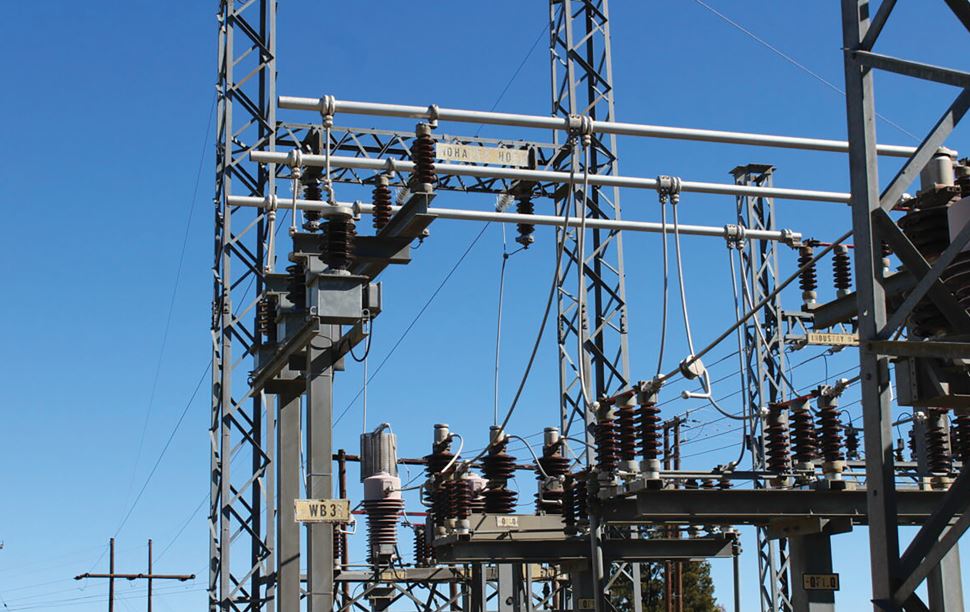
ASCENT–Lesotho is expected to take a dual approach: expanding grid infrastructure in peri-urban, rural and highland areas, while deploying standalone solar systems for communities unlikely to be reached by the national grid in the short term.
The programme also includes technical assistance to support utility reform, strengthen national electrification planning, and promote clean cooking solutions.
Off-grid solar, officials say, will play a central role in extending access to remote settlements where grid extension is considered costly and technically difficult.
Minister of Finance and Development Planning, Retšelisitsoe Matlanyane, said expanding access to electricity is central to the country’s development trajectory.
“Expanding access to reliable and sustainable electricity is critical to reducing energy poverty, improving household productivity, supporting micro, small, and medium enterprises growth, and strengthening essential social services,” Matlanyane said. “Expanding energy access contributes to the country’s broader development agenda.”
The programme is anchored in Lesotho’s National Energy Compact under the Mission 300 initiative, a joint World Bank Group and African Development Bank effort targeting electricity access for 300 million people across Eastern and Southern Africa by 2030.
According to the World Bank, the compact provides a roadmap for regulatory, institutional and financial reforms needed to sustain long-term energy access expansion, with ASCENT–Lesotho serving as a key implementation vehicle.
“Lesotho possesses abundant renewable energy resources such as solar, wind, and hydropower, which have the potential to surpass Lesotho’s energy needs,” said Dinara Djoldosheva, World Bank Country Representative for Lesotho.
“Harnessing these resources into transformational energy sources will ensure that every Mosotho has access to power. This is a catalyst for job creation and private sector growth,” she said.
Djoldosheva also warned that energy poverty has broader social costs. “The human cost of inadequate energy access falls disproportionately on women and girls, and expanding electricity access will be an impactful intervention to reduce the energy burden in many households across Lesotho,” she said.
Beyond infrastructure investment, the programme includes reforms aimed at strengthening sector governance, improving energy security, narrowing gender gaps in access and boosting investor confidence in the energy market.
While the World Bank frames the intervention as a pathway to inclusive growth, Lesotho’s energy sector continues to face structural constraints, including limited generation capacity and heavy reliance on electricity imports. These raise questions about the pace at which universal access can realistically be achieved.
For now, ASCENT–Lesotho represents one of the country’s largest externally supported electrification pushes, but its success will depend on implementation capacity, institutional reform and whether grid expansion and off-grid solutions can be scaled fast enough to meet demand in remote areas.
Summary
- The World Bank Group has approved a US$50-million (approximately M900-million) concessional credit for Lesotho to expand electricity access to nearly 147,000 people and businesses under a new clean energy programme aimed at closing persistent gaps in rural electrification.
- The financing, channelled through the International Development Association (IDA), will support the Accelerating Sustainable and Clean Energy Access Transformation in Lesotho (ASCENT–Lesotho) project, a programme that seeks to accelerate grid expansion and deploy off-grid solar systems in hard-to-reach areas.
- In a statement, the World Bank said the initiative is designed to “bring reliable, affordable electricity to nearly 147,000 residents and businesses, reduce energy poverty, and create the conditions for stronger household incomes and private sector growth”.
Thoboloko Ntšonyane is a dedicated journalist who has contributed to various publications. He reports on accountability, human rights, exposes corruption and wrong doing by those in power. He reports have exposed corruption, abuse of power, fraud, misconduct and negligence. He subscribes to evidence-based reporting. He reports on governance, parliament, courts, climate change, human rights, sexual and reproductive health rights (SRHR), health, business and agriculture. He gives a voice to the marginalised while also demanding accountability. His work inspires change, triggers dialogue and also promote transparency in a society.