
… After 5 premature babies born at the hospital lose sight
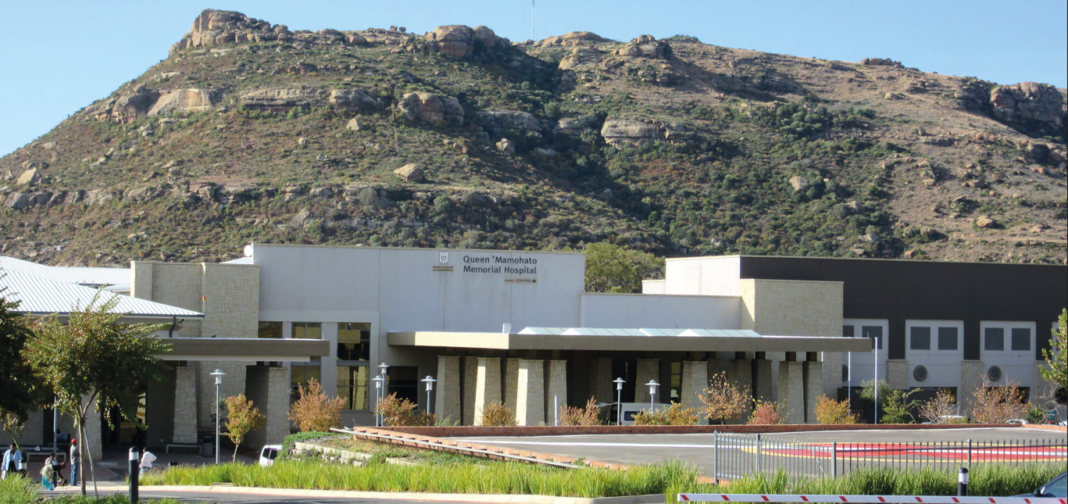
A group of mothers whose premature babies were born at Queen ’Mamohato Memorial Hospital (QMMH) in 2020 have come together to demand answers after all five children were later diagnosed with permanent blindness.
The women suspect serious medical negligence and are calling for transparency, accountability, and access to their children’s medical records, documents the hospital has yet to release more than a year after being requested.
The mothers first bonded inside the hospital’s neonatal nursery, where they were all admitted after delivering preterm infants around the same period. They now believe the similarities in their children’s diagnoses are too striking to dismiss.
’Mamolemohi Ramokotjo, one of the mothers leading efforts to uncover what happened, has said that even a child can see this was not a coincidence.
Ramokotjo recounted that all mothers were assured their babies were fine at discharge. The truth emerged only after they returned home. One mother noticed her baby’s eyes were not following movement, prompting the others to check their children as well.
“Then we started monitoring our babies more closely, and the reality became impossible to ignore, they simply could not see,” she said.
The women, all admitted to the nursery after delivering premature babies just days apart, turned to their WhatsApp group, originally meant for sharing the everyday struggles of raising preemies, to piece together the disturbing pattern unfolding before them.
Another mother, ’Mareboloke Mamotanyane, confirmed the same experience. She realised something was wrong when her child reached three months and still could not follow a finger passed in front of their eyes, a basic milestone every parent watches for.
When she saw her child’s eyes remain fixed, she contacted Ramokotjo, only to learn that she, too, had noticed the same frightening sign.
Mamotanyane’s worst fears were confirmed at the hospital: her baby was visually impaired and “will never ever see.”
She expressed her anguish, saying she firmly believes the hospital should have communicated the condition while the babies were still under its care.
The mothers insist that QMMH should have identified and disclosed the problem before discharge, especially given the established risks of Retinopathy of Prematurity (ROP), a condition closely associated with premature birth and time spent in an incubator.
“In my view, before we were released, the doctors did not examine our babies’ eyes, even though they knew an incubator can affect a preemie’s eyesight,” Ramokotjo said.
Adding to their distress, the mothers say their concerns about swelling in the babies’ eyes, hands, and feet while in the incubators were brushed off as “normal” by staff.
Ramokotjo lamented that these so-called normal cases “left our children, and us, with a permanent scar.”
They continued taking their babies for routine check-ups, but, according to Ramokotjo, “they did not see anything wrong until we discovered it ourselves after three months.”
“Had this been detected as early as two months after birth, our children could have been helped, they would be able to see,” she added, citing information later provided by specialists. “But we kept trusting the wrong people when they told us nothing was wrong.”
The women claimed they were also struggling to obtain their children’s medical records from QMMH. Despite requesting the documents more than a year ago, they have still not received them, they said.
“We even approached the hospital for a report explaining what happened, but we are still struggling to access it. We were told the reports would be made available,” Ramokotjo said. She added that the quoted fee has shifted from M200 to M50, creating further confusion.
The emotional and financial toll on their families has been overwhelming. Ramokotjo described the profound effects her daughter’s visual impairment has had on their household.
“Firstly, my other children are affected. My eldest son’s performance at school has dropped,” she said, explaining that he has been distressed by his sister’s repeated surgeries and the need for artificial eyes.
She added that her work life has also suffered, explaining that her employer has complained that she now spends “more time away from work” than performing her assigned duties.
Mamotanyane, who is currently unemployed and whose husband is also without work, said she cannot send her child to a special needs school because none exist in Quthing, where they live.
The mothers remain determined to uncover the truth. “If we are satisfied with the findings once the reports are given to us, we will be relieved. But if we are not satisfied, we will take further steps to show our dissatisfaction,” Ramokotjo said.
The five women remain unwavering in their pursuit of accountability from the hospital, which they believe is responsible for the medical negligence that left their children permanently disabled.
Another mother, who requested anonymity, described a deeply troubling discovery about her own child.
“Three months after we were discharged, I realised my baby’s eyes were not moving, even when I passed an object right in front of them,” she said.
“Because the baby was born pre-term, I initially assumed their development might simply be delayed. But as time went on, my concern grew. I would position them where sunlight reflected into their eyes to see if there was any reaction, but there was none. I even noticed a white layer beginning to form in one of the eyes.”
Alarmed, she rushed the baby back to QMMH, where she had given birth. What she was told left her shattered.
“The doctor told me I was ‘late,’ that I should have brought the baby back within three months of birth,” she recalled.
“What hurt the most is that we were still in that same hospital for most of those three months, and no one ever detected anything. We were simply sent home, devastated, without any counselling or support.”
At the time of the incidents in 2020, QMMH was operated by the private healthcare group Netcare under a management agreement with the government. That agreement has since been terminated, and the hospital is now fully managed and administered directly by the government.
The QMMH Public Relations Officer (PRO), Thakane Mapeshoane, said she had never received any request for medical reports from the mothers, even after the matter surfaced in the media.
“Requests for medical reports are made through the public relations office, and we have not received any from these mothers. I advise them to come to the hospital, and upon arrival, they should ask to be directed to the PR office, where they will be informed of the documents required. Once they submit them, they will be assisted,” she said.
Mapeshoane added that she could not comment further on the allegations, as she did not yet have the facts before her.
Adv. Nkhasi Sefuthi, Director General of the Persons with Disability Advisory Council and Executive Director of the Lesotho National Federation of Organisations of the Disabled (LNFOD), confirmed that they are aware of the mothers’ claims and have already advised them to file a formal complaint with the council.
“Once a formal complaint is submitted, we will investigate the matter to determine whether the allegations are accurate. After that, we will engage the hospital, depending on what the mothers want,” he said.
A 2019 ResearchGate study highlighted the global scale of Retinopathy of Prematurity. The global age-standardised prevalence rate was recorded at 86.4 per 100,000 people, with an estimated 2.17 million individuals living with blindness or vision loss caused by ROP.
According to the same study, three African regions, Southern sub-Saharan Africa, Western sub-Saharan Africa, and North Africa and the Middle East, ranked among the highest globally for ROP prevalence. Southern sub-Saharan Africa had the highest rate, at 131.8 per 100,000.
Summary
- The women, all admitted to the nursery after delivering premature babies just days apart, turned to their WhatsApp group, originally meant for sharing the everyday struggles of raising preemies, to piece together the disturbing pattern unfolding before them.
- The mothers insist that QMMH should have identified and disclosed the problem before discharge, especially given the established risks of Retinopathy of Prematurity (ROP), a condition closely associated with premature birth and time spent in an incubator.
- Adding to their distress, the mothers say their concerns about swelling in the babies’ eyes, hands, and feet while in the incubators were brushed off as “normal” by staff.
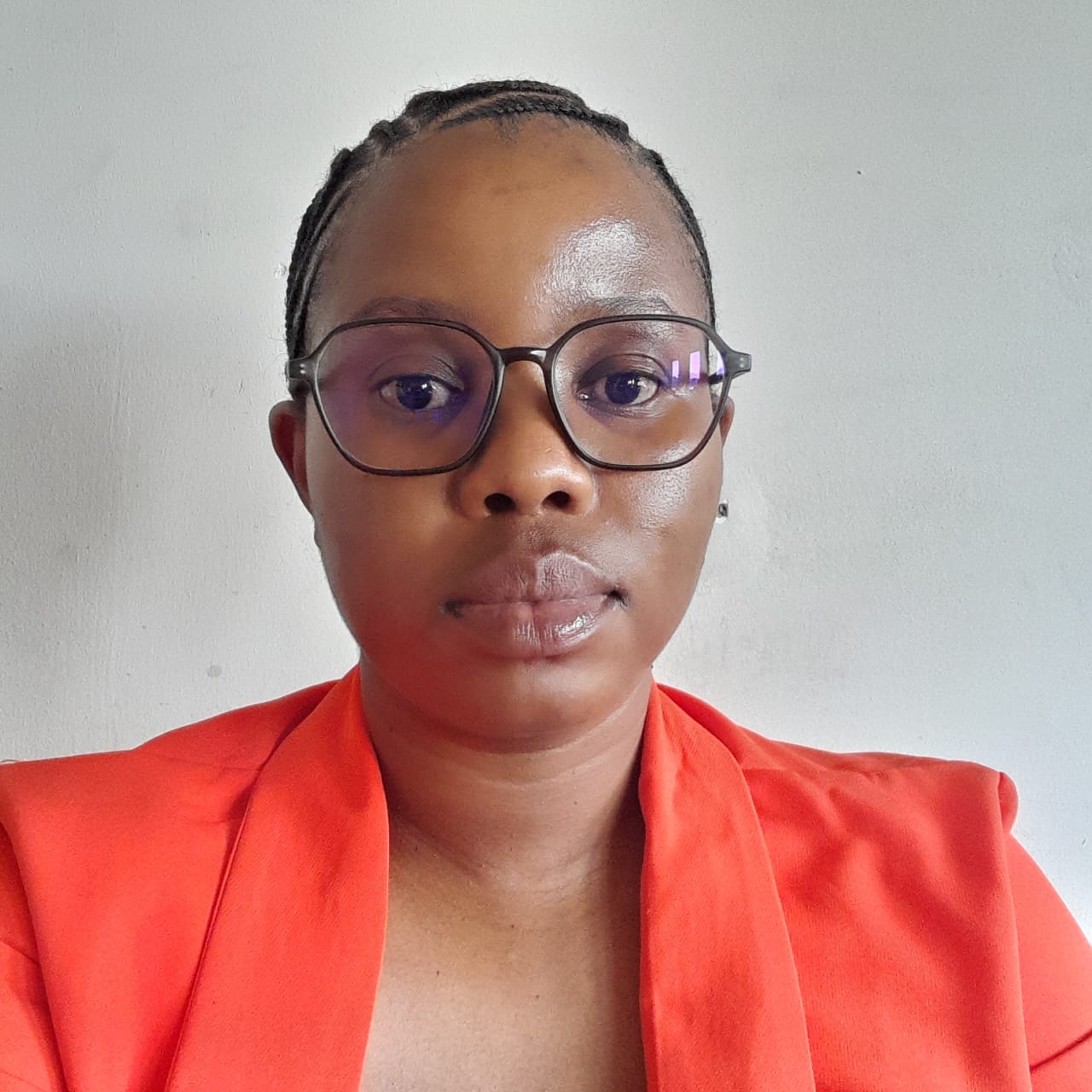
Ntsoaki Motaung is an award-winning health journalist from Lesotho, specializing in community health stories with a focus on sexual and reproductive health and rights, as well as HIV. She has contributed to platforms like “Be in the KNOW,” highlighting issues such as the exclusion of people with disabilities from HIV prevention efforts in Lesotho.
In addition to her journalism, Ntsoaki serves as the Country Coordinator for the Regional Media Action Plan Support Network (REMAPSEN). She is also a 2023 CPHIA Journalism Fellow.