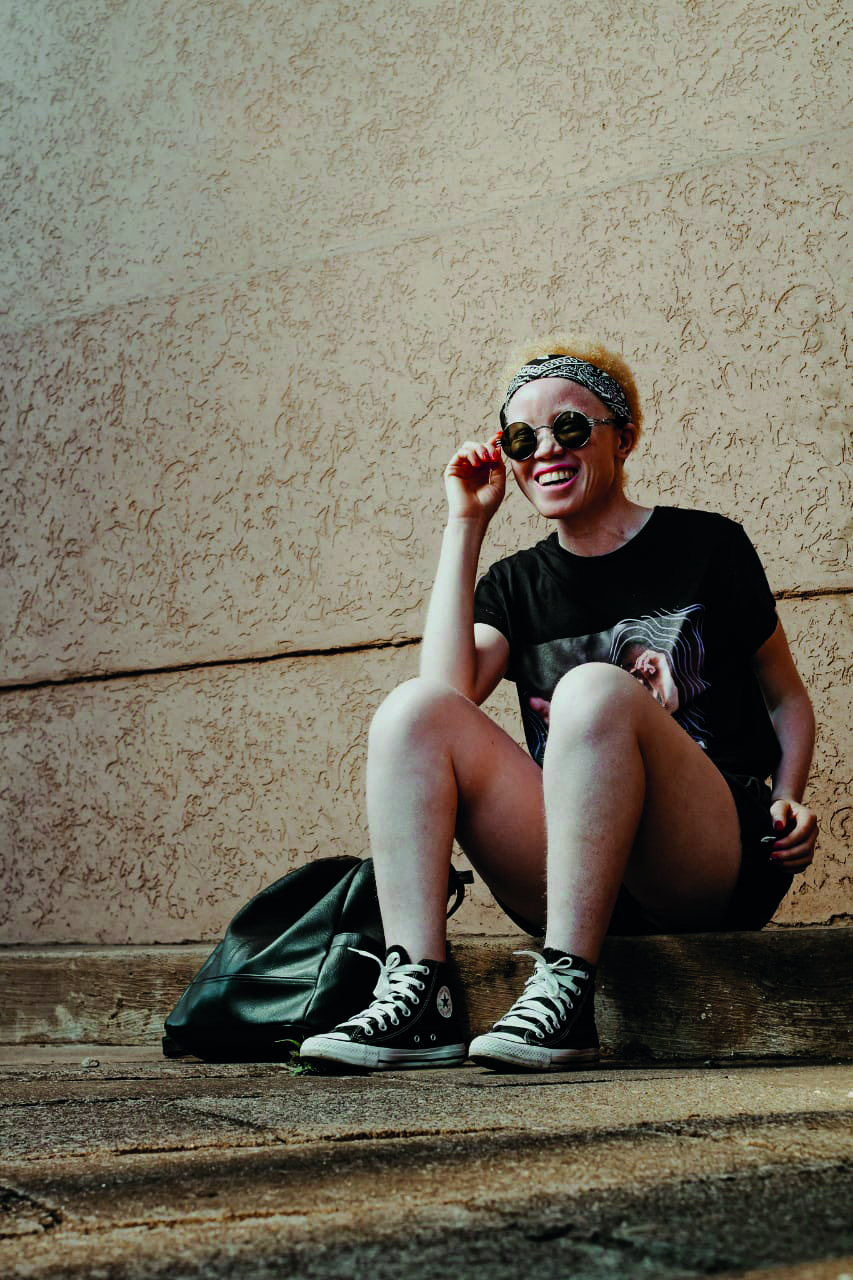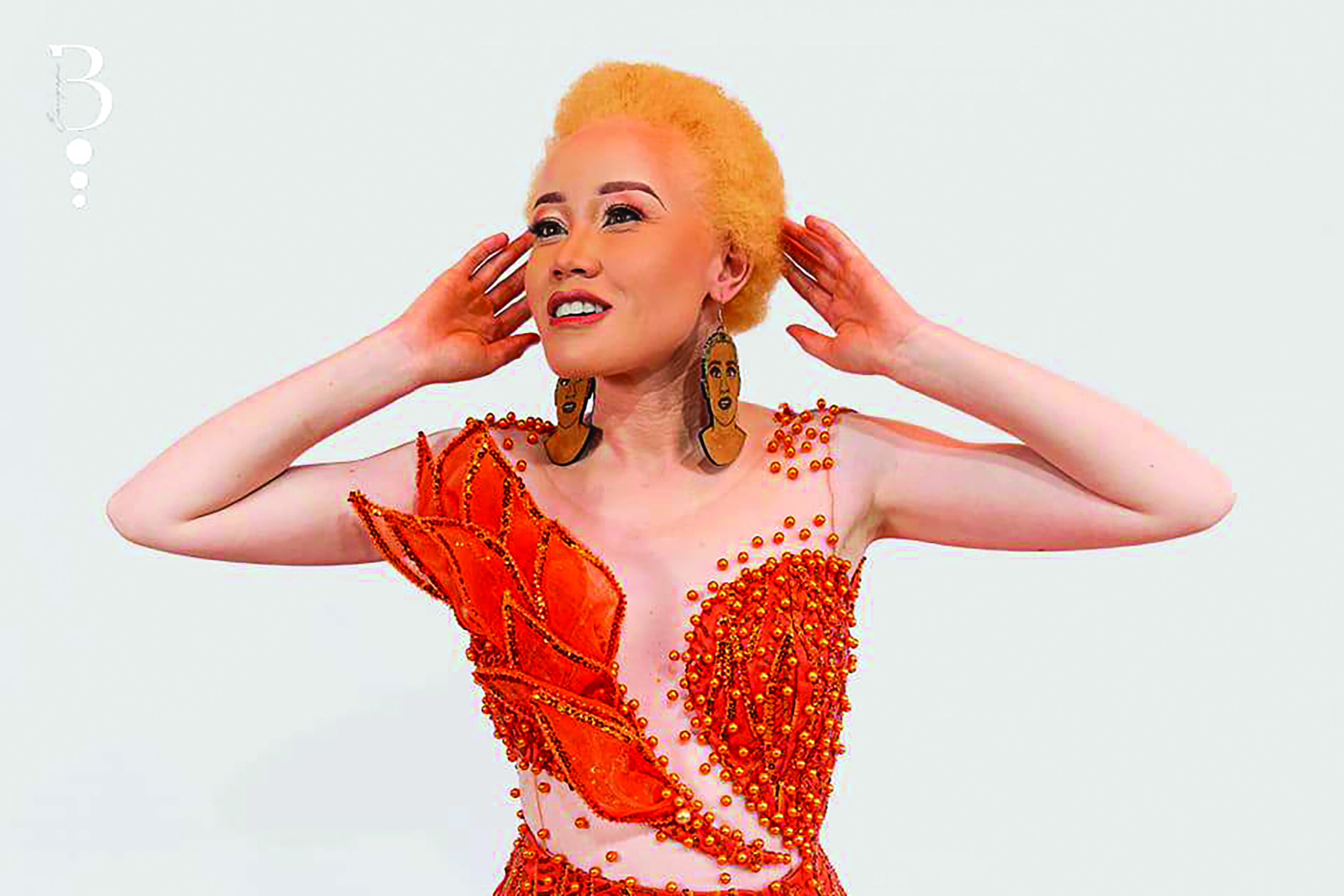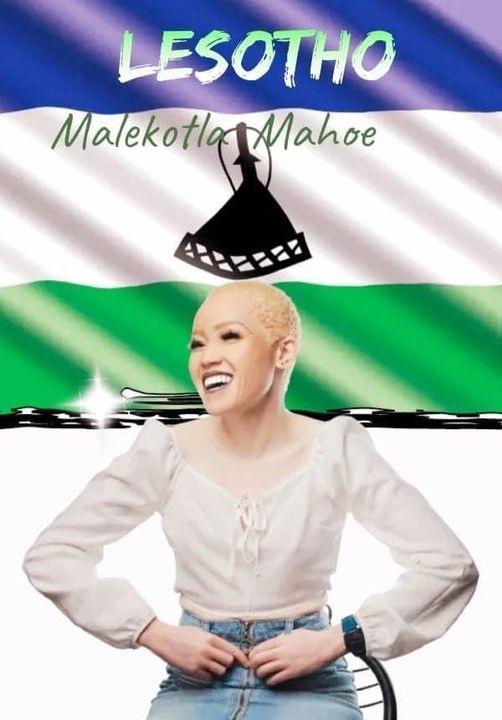

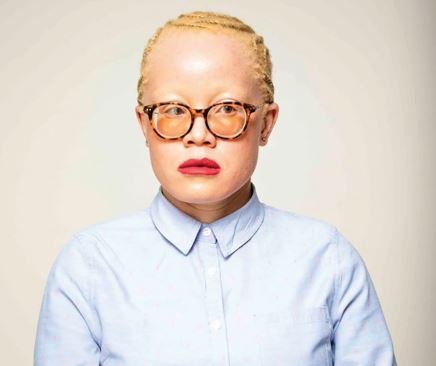
“It sounds like a lie, but trust me, people still go through this.” These are the heavy words of ‘Malekhotla Mahooe, a person living with albinism in Lesotho, reflecting on the painful reality of discrimination, stigma, and ignorance that her community faces daily.
Speaking on the heels of International Albinism Awareness Day, celebrated on June 13, Mahooe emphasised that simply talking about albinism is no longer enough.
“Awareness alone is not enough, we need action,” she said. “Persons with albinism deserve dignity, respect, protection, and equal opportunities in every aspect of life.”
For many Basotho with albinism, daily life is a struggle against both social cruelty and nature. Mahooe highlighted that individuals continue to face constant bullying, staring, and hurtful comments that damage their confidence and well-being.
Worse still, she said, is the systemic neglect in healthcare and education. People with albinism lack adequate access to vital resources like sunscreen, protective clothing, and specialised eye-care.
Because albinism causes visual impairments, many children and adults struggle to learn or work without assistive materials. Furthermore, the harsh Lesotho sun poses a deadly threat, drastically increasing the risk of skin damage and fatal skin cancers.
The continuous discrimination is fueled by shocking local myths. According to a recent press statement by the Persons with Disability Advisory Council (PWDAC), false beliefs such as the myth that people with albinism disappear or turn into donkeys after death continue to drive families to abandon, bully, and isolate their own children.
What makes these struggles more frustrating is that, on paper, the law is supposed to protect them. Lesotho has committed to several international laws and conventions, including the UN Convention on the Rights of Persons with Disabilities (CRPD), a global treaty that demands equal rights, non-discrimination, and full inclusion for all disabled persons, and the African Protocol on the Rights of Persons with Disabilities, a regional agreement signed by Lesotho to protect vulnerable groups from unique African challenges and superstitions.
Locally, the government passed the Persons with Disability Equity Act in 2021. This domestic law outlaws discrimination in schools and workplaces, and it calls for reasonable accommodation, meaning environments must be adjusted to help people with disabilities succeed. Yet, despite these legal frameworks, real-world enforcement remains dangerously slow.
The PWDAC and local advocates are urging the government to move from signing documents to saving lives. Under this year’s global theme, “Proudly In My Skin: Celebrating All Skin Tones,” the council is demanding that the government immediately place sunscreen on the national essential medicines list, subsidise visual aids, provide inclusive learning materials, and implement workplace employment quotas.
Mahooe extended an open invitation to policymakers to listen to those who live this reality every day.
“If the government feels they do not have enough information, we are here, we would love to share. We have already experienced a lot because of albinism,” she urged.
Summary
- ” These are the heavy words of ‘Malekhotla Mahooe, a person living with albinism in Lesotho, reflecting on the painful reality of discrimination, stigma, and ignorance that her community faces daily.
- According to a recent press statement by the Persons with Disability Advisory Council (PWDAC), false beliefs such as the myth that people with albinism disappear or turn into donkeys after death continue to drive families to abandon, bully, and isolate their own children.
- Lesotho has committed to several international laws and conventions, including the UN Convention on the Rights of Persons with Disabilities (CRPD), a global treaty that demands equal rights, non-discrimination, and full inclusion for all disabled persons, and the African Protocol on the Rights of Persons with Disabilities, a regional agreement signed by Lesotho to protect vulnerable groups from unique African challenges and superstitions.
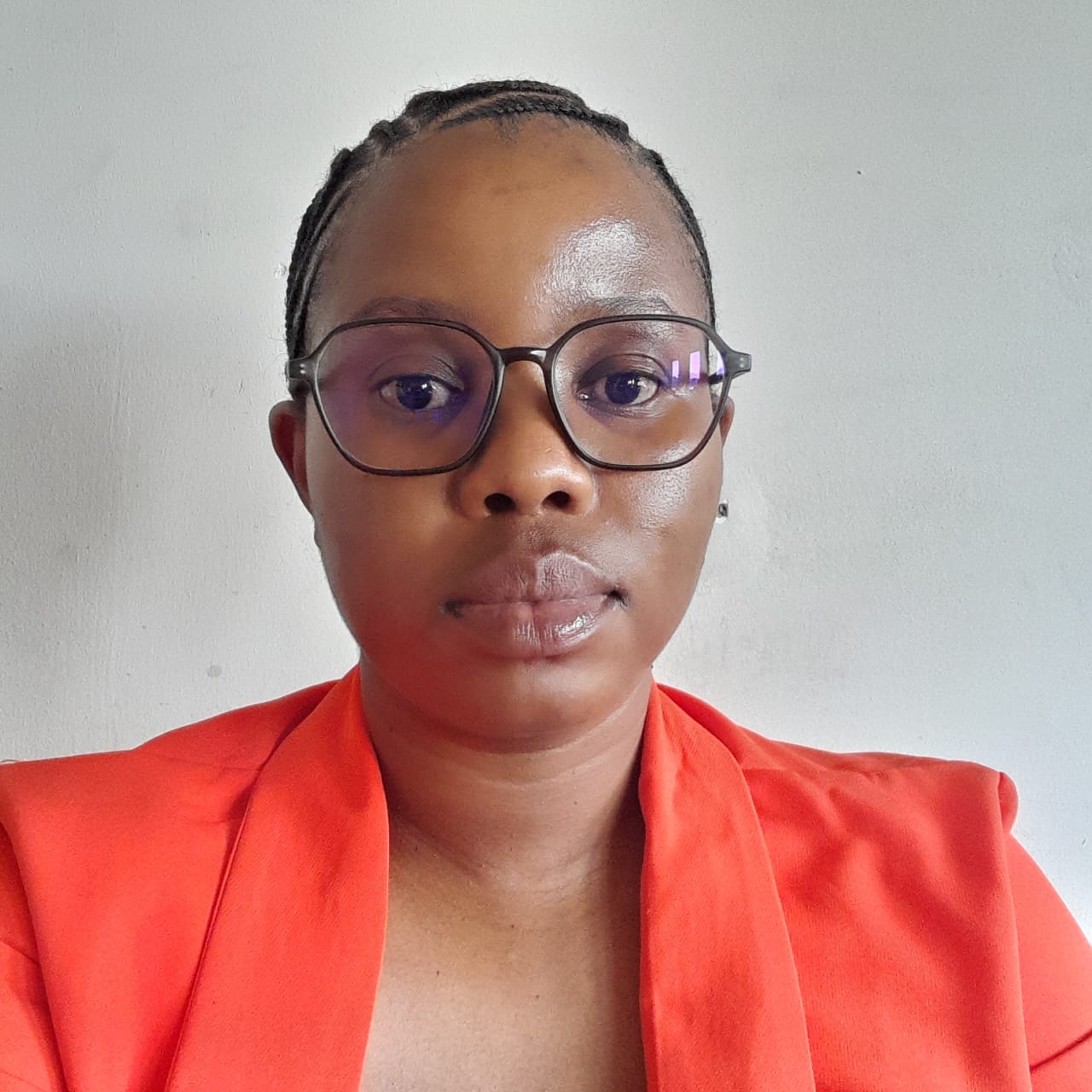
Ntsoaki Motaung is an award-winning health journalist from Lesotho, specializing in community health stories with a focus on sexual and reproductive health and rights, as well as HIV. She has contributed to platforms like “Be in the KNOW,” highlighting issues such as the exclusion of people with disabilities from HIV prevention efforts in Lesotho.
In addition to her journalism, Ntsoaki serves as the Country Coordinator for the Regional Media Action Plan Support Network (REMAPSEN). She is also a 2023 CPHIA Journalism Fellow.