
Dr Liteboho Mokete
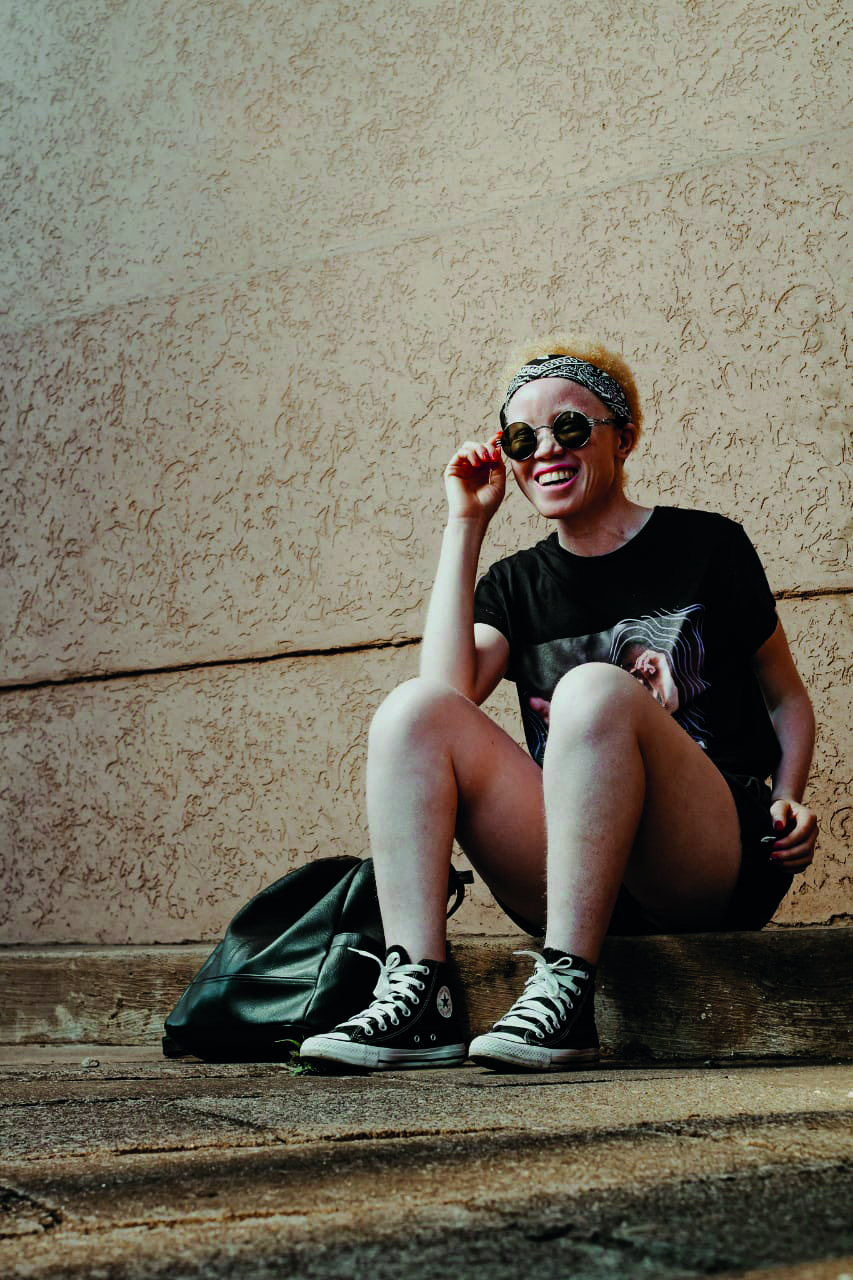
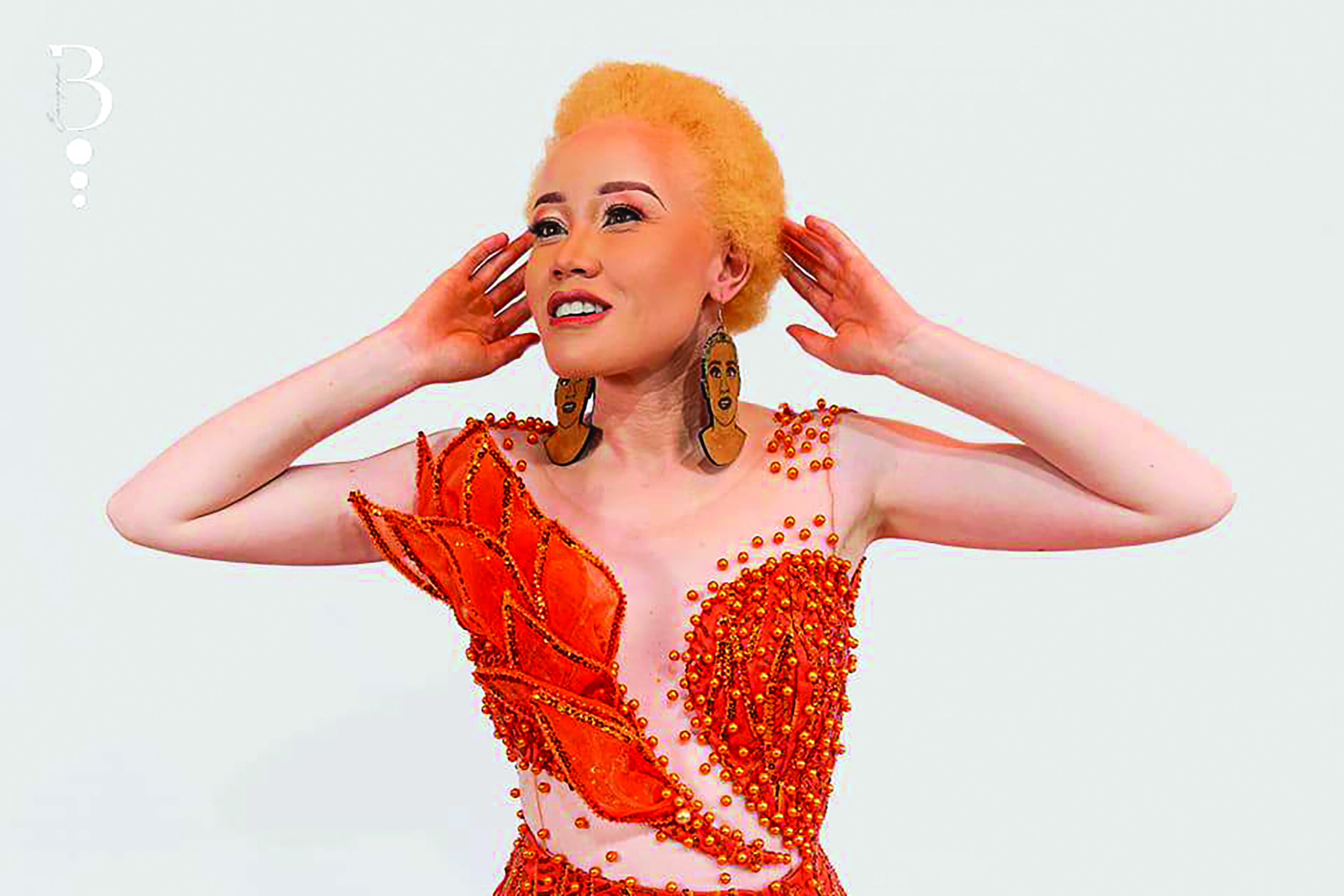
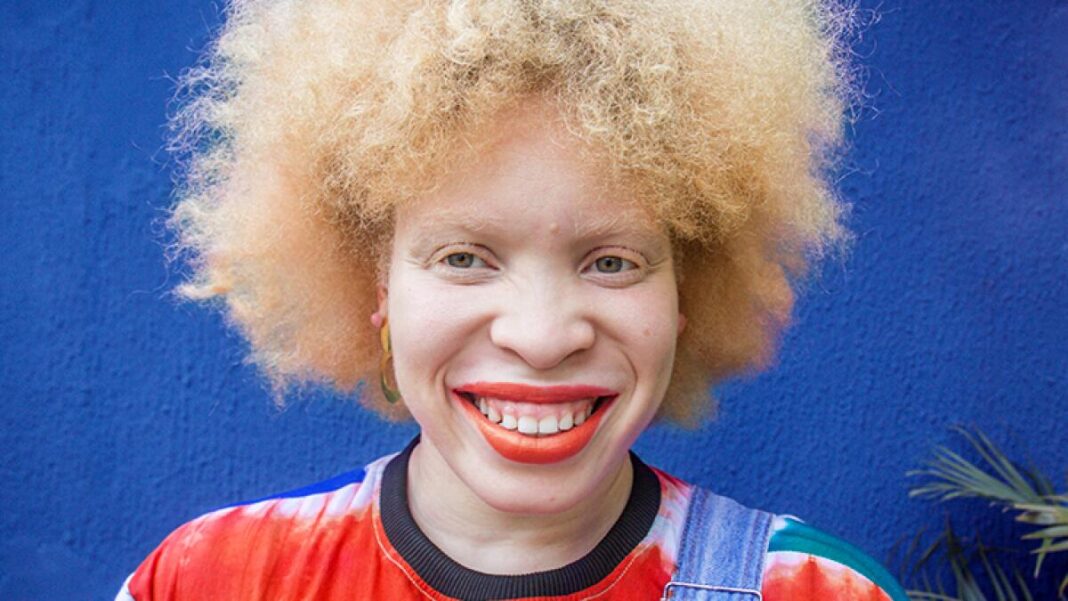
Albinism is a rare, inherited condition in which the body produces little or no melanin, the natural pigment that gives colour to our skin, hair, and eyes. While many people recognise albinism for its distinctive physical appearance, fewer understand the serious vision problems that often accompany it.
As an ophthalmologist, I want to shed light on the visual challenges faced by people with albinism and how we can better support them, medically and socially.
How Albinism Affects the Eyes
Melanin does more than determine how we look, it plays a critical role in the development of the eyes. A lack of melanin can lead to several vision issues, including:
• Nystagmus: Uncontrolled, rapid eye movements, making it hard to focus.
• Photophobia: Extreme sensitivity to bright light because the iris has less pigment to block it out.
• Poor vision: The fovea, the part of the eye that provides sharp vision, often does not develop properly, leading to blurred sight.
• Strabismus: Misaligned eyes, affecting how well a person judges distances.
• Refractive errors: Near-sightedness (myopia) or farsightedness (hyperopia) are common and often require glasses.
Additionally, individuals with albinism are at a higher risk of developing eye and skin cancers due to sun exposure. Any lesions on the eyes should be evaluated by an ophthalmologist as early as possible.
These vision challenges begin early in life and, if not properly managed, can negatively impact education, social development, and quality of life.
The Southern African Context
Albinism is more prevalent in Southern Africa than in many other parts of the world, affecting approximately 1 in every 3,000 people in certain areas, according to a 2024 World Health Organisation (WHO) report.
In this region, children with albinism often face significant visual impairment by the age of 10. Local studies suggest that up to 80 percent experience moderate to severe vision loss. In classrooms, these children may struggle to see the board or cope with bright lighting, which can hinder learning and self-esteem.
Managing Vision and Health Challenges
With timely intervention, many of the challenges associated with albinism can be managed effectively. Here are key strategies:
- Regular eye exams: Early diagnosis and follow-up care are essential.
- Sun protection: Use wide-brimmed hats, long-sleeved clothing, and SPF 30–50 sunscreen to reduce UV damage.
- Limit sun exposure: Stay indoors or in shaded areas during peak sunlight hours (11 AM to 2 PM).
- Corrective eyewear: Prescription glasses and tinted lenses can improve vision and reduce sensitivity to light.
- Low-vision aids: Devices like magnifiers and telescopes help with reading and seeing distant objects.
- Surgical options: In selected cases, surgery can help realign the eyes (strabismus) or improve head posture due to nystagmus.
The Social Dimension in Lesotho
People with albinism often face social discrimination and myths that add emotional pain to their physical challenges. Misunderstandings around albinism can lead to isolation or even violence in some communities.
It is important that as a society, we foster compassion, support inclusive education, and advocate for better access to medical care and protective resources for people with albinism.
Albinism is not a weakness, it is a journey that requires resilience and adaptation. With the right support, early intervention, and societal acceptance, individuals with albinism can live full, vibrant lives and achieve their dreams.
Dr Liteboho Mokete
Ophthalmology registrar, University of Zambia
Summary
- Albinism is a rare, inherited condition in which the body produces little or no melanin, the natural pigment that gives colour to our skin, hair, and eyes.
- As an ophthalmologist, I want to shed light on the visual challenges faced by people with albinism and how we can better support them, medically and socially.
- Albinism is more prevalent in Southern Africa than in many other parts of the world, affecting approximately 1 in every 3,000 people in certain areas, according to a 2024 World Health Organisation (WHO) report.

Welcome to Newsday Media – Your Trusted Source for News and Insights in Lesotho!
At Newsday Media, we are passionate about delivering accurate, timely, and engaging news and multimedia content to our diverse audience. Founded with the vision of revolutionizing the media landscape in Lesotho, we have grown into a leading hybrid media company that blends traditional journalism with innovative digital platforms.
Our mission is simple: to inform, inspire, and empower our readers by providing comprehensive coverage of local and global events, current affairs, and cultural happenings. Whether you’re looking for breaking news, in-depth analysis, or captivating storytelling, Newsday Media is your go-to destination for all things news-related.
With a dedicated team of journalists, editors, and multimedia experts, we are committed to upholding the highest standards of journalistic integrity and professionalism. We pride ourselves on delivering content that not only informs but also sparks conversation, fosters understanding, and drives positive change in our society.
From our flagship newspaper to our dynamic digital platforms, we offer a wide range of multimedia content to cater to the diverse interests and preferences of our audience. Whether you prefer to stay informed through print, online articles, videos, or podcasts, Newsday Media has something for everyone.
We believe in the power of storytelling to connect people, bridge divides, and inspire action. That’s why we’re dedicated to providing a platform for voices from all walks of life, championing diversity, inclusion, and authenticity in everything we do.
Thank you for visiting Newsday Media. We invite you to explore our website, engage with our content, and join us on our journey to inform, inspire, and empower our community. Together, let’s shape the future of media in Lesotho.