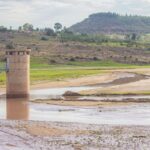

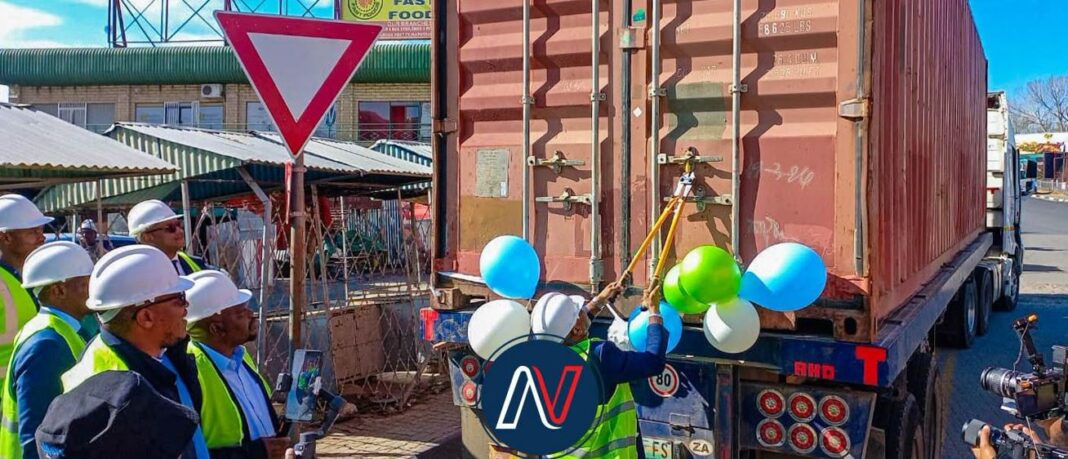
The arrival of dredging equipment at Rasebala Dam in Mafeteng is more than the beginning of an engineering project. It is proof that when the suffering of ordinary people is brought into the public eye, those entrusted with power are compelled to respond.
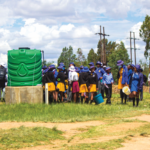
From towards the end of 2024, up to early 2025, the people of Mafeteng lived through a crisis that should never have reached the levels it did. Schools struggled to provide a safe learning environment. Health facilities battled to maintain basic hygiene. Families spent countless hours searching for water. Businesses suffered losses. Access to clean water, a basic necessity and a fundamental human right, became uncertain.
It would have been easy for this crisis to become just another statistic. Instead, it became a national conversation.
At Newsday, we made a deliberate decision to keep the spotlight on the people of Mafeteng. We reported not only on official statements but also on the lived experiences of those waking up each day without reliable access to water. Journalism serves little purpose if it only records events after they have passed. Its highest calling is to amplify the voices of those who might otherwise go unheard and to hold institutions accountable before a crisis becomes a catastrophe.
The response that followed demonstrates why this role matters. Government officials visited the district. Civil society organisations mobilised. Professionals offered their expertise. WASCO developed and implemented a response that has now reached an important milestone with the arrival of the dredging equipment.
Credit is due to all those who acted. The Ministry of Natural Resources, under the leadership of Mr. Mohlomi Moleko, engaged stakeholders and sought solutions. WASCO acknowledged the seriousness of the problem and committed resources to addressing it. Civil society organisations, legal practitioners, and the people of Mafeteng themselves refused to accept that the situation was normal.
This is how democracy is meant to function. Citizens raise concerns. The media informs the nation. Institutions respond. Solutions are found.
But this milestone should not be mistaken for the finish line.
The real measure of success will be whether the people of Mafeteng enjoy a reliable and sustainable supply of clean water long after the cameras have left and the headlines have faded. That will require consistent communication with the community, careful management of the ongoing works, and sustained investment in water infrastructure so that the mistakes of the past are not repeated.
The lesson extends beyond Mafeteng. Across Lesotho, communities face challenges that often remain invisible until someone shines a light on them. Journalism has a responsibility to find those stories, tell them truthfully, and ensure that the concerns of ordinary citizens receive the attention they deserve. Public officials, in turn, should view such scrutiny not as hostility but as an opportunity to identify problems early and respond effectively.
The people of Mafeteng have reminded the country that united communities can demand accountability and inspire action. Their resilience deserves recognition. Their struggle has already produced progress. It should also leave behind a lasting lesson which is that when citizens speak, when the media listens, and when leaders act, meaningful change is possible.
Summary
- From towards the end of 2024, up to early 2025, the people of Mafeteng lived through a crisis that should never have reached the levels it did.
- The real measure of success will be whether the people of Mafeteng enjoy a reliable and sustainable supply of clean water long after the cameras have left and the headlines have faded.
- That will require consistent communication with the community, careful management of the ongoing works, and sustained investment in water infrastructure so that the mistakes of the past are not repeated.

Authored by our expert team of writers and editors, with thorough research.