
Okonjo-Iweala cites Lesotho’s garment industry and Africa’s untapped manufacturing potential as she calls for value addition, investment and expanded continental trade.
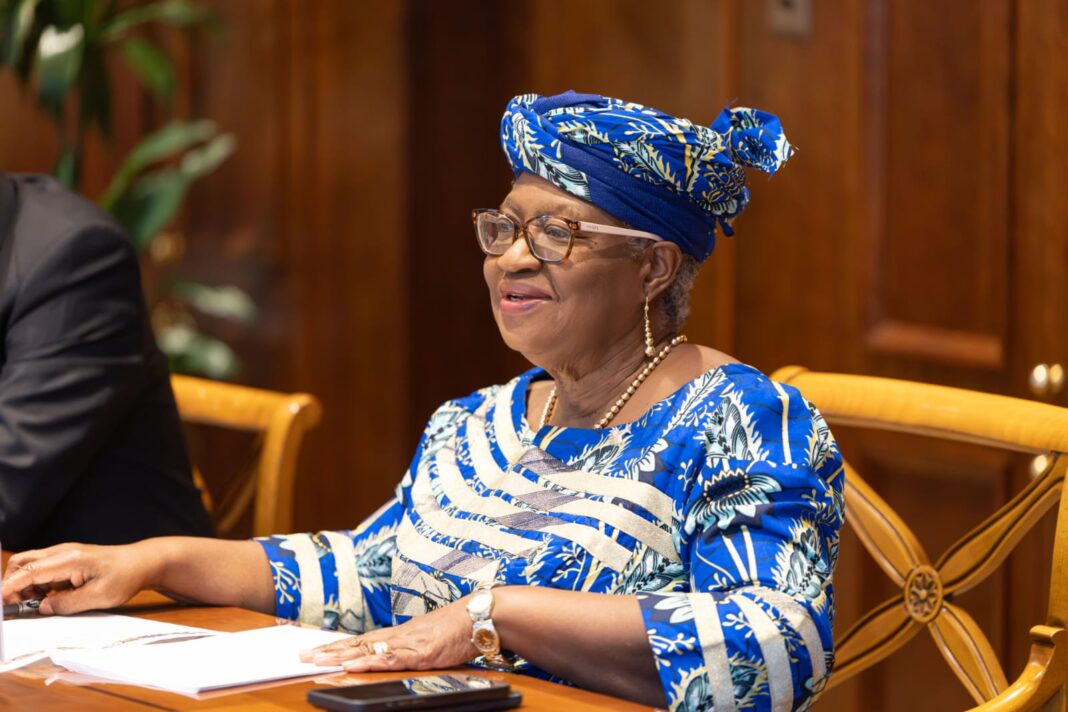
GENEVA, SWITZERLAND – World Trade Organization (WTO) Director-General Dr Ngozi Okonjo-Iweala has challenged African governments to transform their economies by processing raw materials, attracting manufacturing investment and removing administrative barriers that continue to undermine the continent’s participation in global trade.
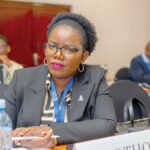
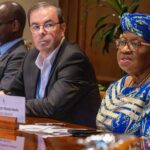
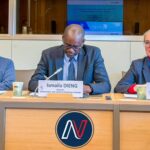
Speaking during a media engagement at the WTO headquarters in Geneva on Tuesday, 27 October 2026, Okonjo-Iweala expressed concern that Africa’s share of global trade had remained below 3% percent for many years despite the continent’s economic potential.
“Africa could do better and be more integrated into global trade,” she said.
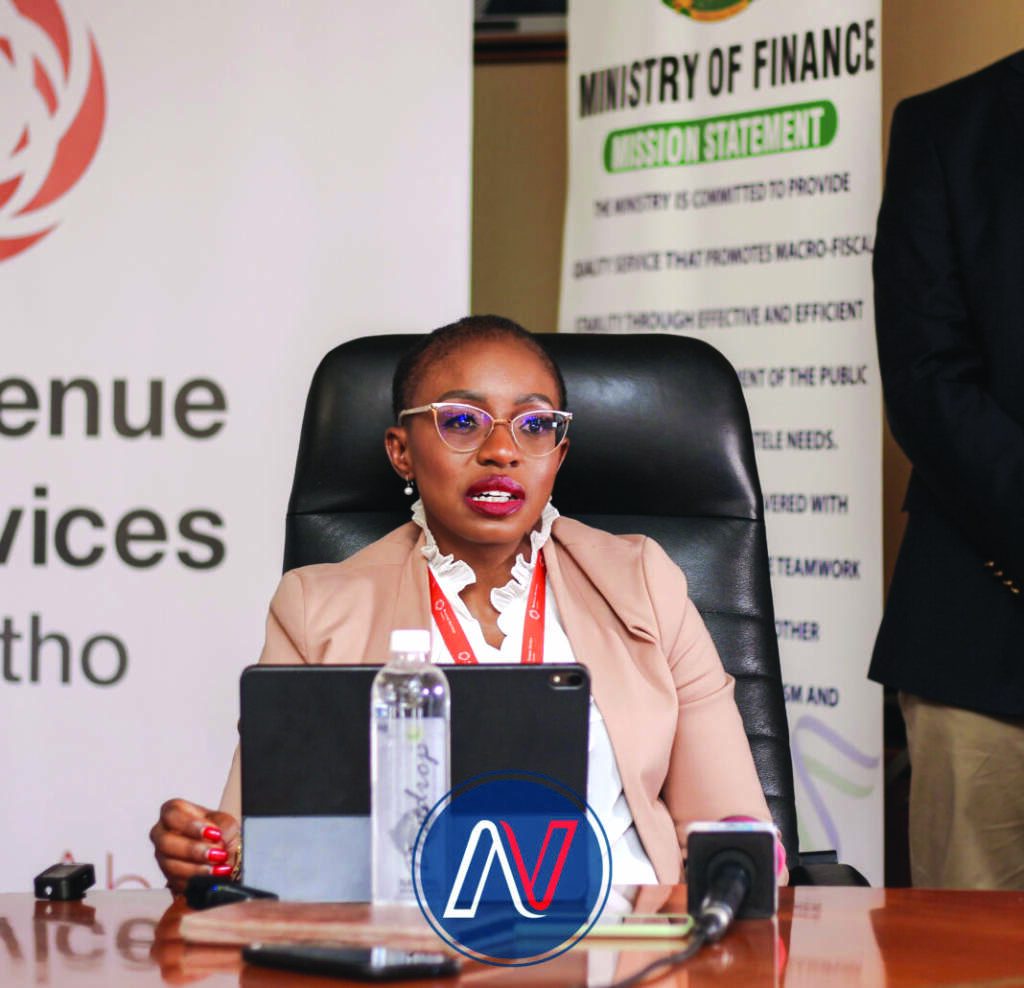
Responding to a question from Newsday Newspaper on Africa’s position in an increasingly technology-driven global trading system, the Director-General argued that the continent needed to examine the structural changes required to strengthen its economies rather than rely exclusively on external assistance.
“First, we must change what we export. Roughly 60% of African exports are still raw commodities,” she said.
“Even an additional US$10 billion in Aid for Trade would not transform Africa’s share of trade if we do not change the nature of our exports. We must focus intensely on value addition and attract investment.”
Okonjo-Iweala said declining international development assistance made investment mobilisation increasingly important.
“As aid declines, Aid for Trade must also focus more on investment,” she said.
She used Africa’s cotton industry to illustrate the economic value lost when countries export raw materials without processing them.
“Consider the Cotton Four countries (Benin, Burkina Faso, Chad and Mali) and the Partnership for Cotton. Around 98% of their cotton is exported as raw fibre. They earn around US$2 billion but could easily earn several times more by processing some of it and adding value,” she said.
The Director-General stressed that industrial development required more than restricting the export of raw commodities.
“Banning exports of a raw product before domestic processing capacity and investment exist can eliminate export revenue without creating value addition,” she cautioned.
She advocated for industrial development strategies supported by investment, appropriate incentives and realistic implementation timelines.
Turning to investment barriers, Okonjo-Iweala identified complicated administrative procedures, difficulties accessing land and unreliable infrastructure as obstacles discouraging manufacturers from establishing operations in African countries.
“To attract investors, African countries must remove administrative obstacles, simplify licensing and land access, and provide reliable infrastructure. Investors should not have to visit ten offices for permits.”
She cited industrial development arrangements in Benin and Lesotho as examples of how governments could improve conditions for manufacturing investment.
“Economic processing or special economic zones, including models in Benin and garment-production zones in Lesotho, can offer electricity, water, permits and ready-to-use factories, sometimes available to rent, an enable trade. Those are trade incentives to investors,” she explained.
The Director-General also questioned Africa’s limited trade within the continent, highlighting Lesotho’s garment industry as an example of manufacturing capacity that could serve additional markets.
“Africa must trade more with itself.
“Intra-African trade is around 20%, compared with around 60% within the European Union.”
She then directly questioned Lesotho’s reliance on the United States as a major destination for its garment exports.
“Why is Lesotho exporting roughly US$200 million in garments to the United States and worrying about tariffs when Africa imports roughly US$7 billion in garments of the kind Lesotho makes?” she asked.
“Why can’t Lesotho sell more to African markets?”
Okonjo-Iweala acknowledged that expanding intra-African trade required addressing the high costs of moving goods across the continent.
“Trade costs in Africa are too high, partly because of bureaucracy and inadequate infrastructure,” she said.
Her remarks came during the eve of the WTO’s Aid for Trade Global Review Week, marking 20 years of international efforts to help developing and least-developed countries strengthen their participation in global commerce.
The initiative supports trade-related infrastructure, technical assistance, productive capacity and institutional development.
As international development assistance comes under increasing pressure, Okonjo-Iweala’s intervention placed greater emphasis on private investment, manufacturing capacity and the removal of domestic barriers to trade.
Summary
- Speaking during a media engagement at the WTO headquarters in Geneva on Tuesday, 27 October 2026, Okonjo-Iweala expressed concern that Africa’s share of global trade had remained below 3% percent for many years despite the continent’s economic potential.
- Responding to a question from Newsday Newspaper on Africa’s position in an increasingly technology-driven global trading system, the Director-General argued that the continent needed to examine the structural changes required to strengthen its economies rather than rely exclusively on external assistance.
- “Economic processing or special economic zones, including models in Benin and garment-production zones in Lesotho, can offer electricity, water, permits and ready-to-use factories, sometimes available to rent, an enable trade.
Co-Owner and Managing Editor of Newsday Media Lesotho. PEPFAR Media champion, Award wining features journalist, an Investigative journalist, REPSSI CAB member. Maseru, Lesotho Joined November 2009.