
The recent ban reportedly imposed by India’s renowned Apollo Hospital on Basotho patients due to unpaid medical debts serves as a stark reminder of the systemic flaws plaguing Lesotho’s healthcare sector.
While the ban might be a direct consequence of financial mismanagement, it reflects a much larger issue: Lesotho’s deep-seated dependence on foreign healthcare services and the government’s chronic inability to adequately address the health needs of its citizens.
It is with a heavy heart that we acknowledge the courage and resilience of those who have persevered through the labyrinth of bureaucracy and resource scarcity. To the patients who have made the painful journey to Apollo for life-saving treatments, your bravery should not go unnoticed.
To those who have not been as fortunate, we extend our deepest sympathies, your struggles are not a reflection of your efforts, but of a system that is failing you.
However, amid this heartbreak, we must ask: how long will Lesotho continue to rely on foreign medical facilities for critical care?
The unfortunate truth is that, despite ongoing efforts, the country’s healthcare system is in dire straits, and this crisis is compounded by a reliance on foreign institutions that now view Lesotho as an unreliable partner. The ban by Apollo is not an isolated incident but a symptom of a broader issue that demands urgent attention and reform.
Yes, no country is fully self-sufficient, and global interdependence is a reality we all must accept. But Lesotho must strive toward a more sustainable future, where its healthcare system is resilient, self-reliant, and equipped to handle the needs of its people.
This is not an unrealistic goal. The construction of Lesotho’s first-ever cancer centre is a hopeful step forward, and the establishment of local oncology services offers a glimmer of promise. This is only the beginning. More must be done, and more urgently.
We must not allow this situation to devolve into a cycle of dependence that drains resources and endangers lives. Rather than seeking immediate solutions from foreign entities, Lesotho must invest in its own healthcare infrastructure, build capacity, train specialists, and ensure that treatment options are available domestically.
The government must prioritise healthcare financing and work toward eliminating inefficiencies and corruption that plague the sector. While international partnerships remain important, they should not be relied upon as crutches, but rather as complementary to a robust, self-sustaining system within Lesotho.
A key part of this process must be the expansion of local healthcare services, especially in the realm of cancer treatment. The need is undeniable, with an alarming increase in cancer cases reported each year.
The government’s focus on developing local facilities like the cancer centre is a step in the right direction, but the question remains; will this be enough, or will it take another disaster, another patient denied care, to push the government to take further action?
In the interim, Basotho must demand more from their government and hold them accountable for the promises made and the public funds allocated. There must be an unwavering commitment to securing a future where no citizen is forced to seek life-saving treatments abroad because their own country lacks the capacity to provide them.
Lesotho’s future, its health, its economy, and the well-being of its people, depends on the government’s ability to recognise the urgency of these issues and take decisive, bold action.
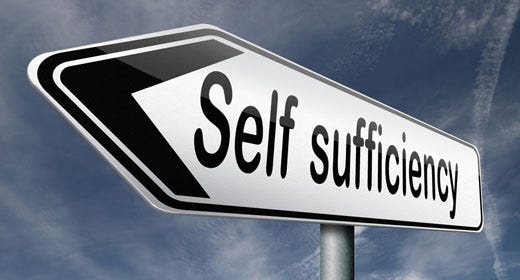
The time for complacency is over. Lesotho must rise to the challenge, not just for the sake of its healthcare system, but for the future of its citizens. The lesson is clear: self-sufficiency is not just an option; it is an imperative. Let this be the call to action that sets Lesotho on a path to a healthier, more resilient future.
Summary
- The unfortunate truth is that, despite ongoing efforts, the country’s healthcare system is in dire straits, and this crisis is compounded by a reliance on foreign institutions that now view Lesotho as an unreliable partner.
- The government’s focus on developing local facilities like the cancer centre is a step in the right direction, but the question remains.
- There must be an unwavering commitment to securing a future where no citizen is forced to seek life-saving treatments abroad because their own country lacks the capacity to provide them.

Welcome to Newsday Media – Your Trusted Source for News and Insights in Lesotho!
At Newsday Media, we are passionate about delivering accurate, timely, and engaging news and multimedia content to our diverse audience. Founded with the vision of revolutionizing the media landscape in Lesotho, we have grown into a leading hybrid media company that blends traditional journalism with innovative digital platforms.
Our mission is simple: to inform, inspire, and empower our readers by providing comprehensive coverage of local and global events, current affairs, and cultural happenings. Whether you’re looking for breaking news, in-depth analysis, or captivating storytelling, Newsday Media is your go-to destination for all things news-related.
With a dedicated team of journalists, editors, and multimedia experts, we are committed to upholding the highest standards of journalistic integrity and professionalism. We pride ourselves on delivering content that not only informs but also sparks conversation, fosters understanding, and drives positive change in our society.
From our flagship newspaper to our dynamic digital platforms, we offer a wide range of multimedia content to cater to the diverse interests and preferences of our audience. Whether you prefer to stay informed through print, online articles, videos, or podcasts, Newsday Media has something for everyone.
We believe in the power of storytelling to connect people, bridge divides, and inspire action. That’s why we’re dedicated to providing a platform for voices from all walks of life, championing diversity, inclusion, and authenticity in everything we do.
Thank you for visiting Newsday Media. We invite you to explore our website, engage with our content, and join us on our journey to inform, inspire, and empower our community. Together, let’s shape the future of media in Lesotho.