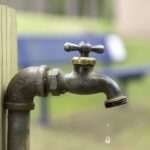

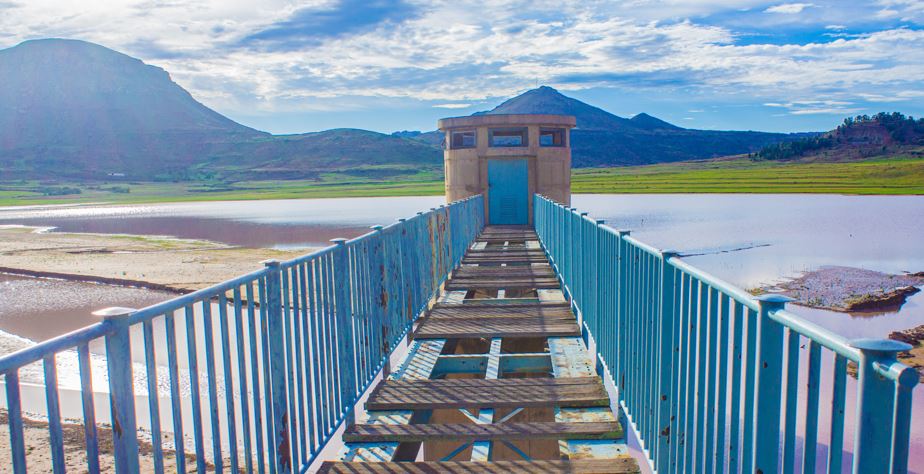
The Water and Sewerage Company (WASCO) has announced a Debt Amnesty Programme offering residents a fresh start by pardoning illegal connections and waiving old bills.
In a statement this week, the utility said the programme is designed to encourage customers to come forward and regularise their status.
“The Water and Sewerage Company (WASCO) wishes to inform its valued customers and the public of a once-off Amnesty Programme aimed at encouraging the regularisation of illegal water connections and assisting customers with long-overdue outstanding balances,” the statement read.
The amnesty programme will run from July 1, 2026, to October 31, 2026. During this period, customers can voluntarily report to WASCO offices and negotiate payment arrangements for their outstanding arrears.
A special dispensation will also be extended to those who have been accessing water illegally. Such customers may “regularise their connections during the amnesty period without incurring penalties or being referred for prosecution.”
WASCO extended a call to all customers with unauthorised connections to come forward and become compliant with the company’s regulations.
“In addition, customers with more than 60 days’ debt as of March 31, 2026, may apply for a once-off debt amnesty. Approval of debt amnesty applications will be subject to WASCO’s verification process and compliance with any payment arrangements or conditions communicated during the application process,” the statement added.
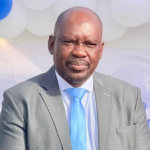
WASCO Credit Control Manager Tselane Mohapi said the amnesty programme reflects the company’s commitment to providing customers with a “fair opportunity to rectify past irregularities while strengthening the sustainability and integrity of water service delivery.”
“This amnesty programme is intended to encourage voluntary compliance and provide relief to customers facing challenges in settling overdue accounts. We urge all eligible customers to take advantage of this limited-time opportunity before stricter enforcement measures are implemented,” she said.
Despite extending a hand to defaulters, WASCO has previously complained that illegal connections remain one of the major hurdles in its efforts to provide an uninterrupted water supply. Vandalism of infrastructure and illegal connections have continued to undermine the utility’s progress.
The company reported that approximately M1.5 million had been spent each month since November 2019 on maintenance materials, transport, and overtime along the Metolong Downstream Conveyance System (DCS).
Vandalism has taken a number of forms, including water theft and tampering with sanitation facilities and equipment, leading to significant revenue losses.
Although vandalism of service infrastructure has occurred over the years, it spiked substantially towards the end of 2019, particularly along the DCS. This has had a direct and significant impact on the utility’s performance, with service reliability being negatively affected.
WASCO has promised that “strict enforcement” measures against illegal connections and unpaid accounts will commence immediately after the amnesty period concludes.
The utility warned that customers who fail to regularise their connections or make arrangements regarding their arrears will face penalties or other legally enforceable action in accordance with applicable laws and regulations.
Summary
- In a statement this week, the utility said the programme is designed to encourage customers to come forward and regularise their status.
- “The Water and Sewerage Company (WASCO) wishes to inform its valued customers and the public of a once-off Amnesty Programme aimed at encouraging the regularisation of illegal water connections and assisting customers with long-overdue outstanding balances,” the statement read.
- WASCO Credit Control Manager Tselane Mohapi said the amnesty programme reflects the company’s commitment to providing customers with a “fair opportunity to rectify past irregularities while strengthening the sustainability and integrity of water service delivery.
Thoboloko Ntšonyane is a dedicated journalist who has contributed to various publications. He reports on accountability, human rights, exposes corruption and wrong doing by those in power. He reports have exposed corruption, abuse of power, fraud, misconduct and negligence. He subscribes to evidence-based reporting. He reports on governance, parliament, courts, climate change, human rights, sexual and reproductive health rights (SRHR), health, business and agriculture. He gives a voice to the marginalised while also demanding accountability. His work inspires change, triggers dialogue and also promote transparency in a society.