
Lesotho’s bid to chair a key Southern African security body has stalled after this month’s Southern African Development Community (SADC) Summit failed to name a successor to the position, pushing a decision into an extraordinary summit expected around October 2026.
The position in question is Incoming Chairperson of the SADC’s Organ on Politics, Defence and Security Cooperation — a three-country rotating structure, often referred to simply as the SADC Troika, which gives political direction on peace and security matters across the 16-nation bloc.
Lesotho, according to the Minister of Foreign Affairs and International Relations, Limpho Tau, formally applied to take up the post, writing to the SADC Secretariat on March 4, 2026, to declare its intention.
Tau told Newsday last night that the Secretariat acknowledged receipt on 12 March. Angola is understood to be the other country in contention for the position.
Tau confirmed that no decision was reached at SADC’s 46th Ordinary Summit, held in Durban on August 17, and that the matter has instead been deferred to the extraordinary summit in October. He said government is continuing to lobby other member states for support ahead of that meeting.
What happened in Durban
At the August summit, SADC did fill the top Organ position. King Mswati III of Eswatini was elected Organ Chairperson, taking over from Malawi. But the summit named no Incoming Chairperson to sit alongside him, the seat Lesotho is competing for.
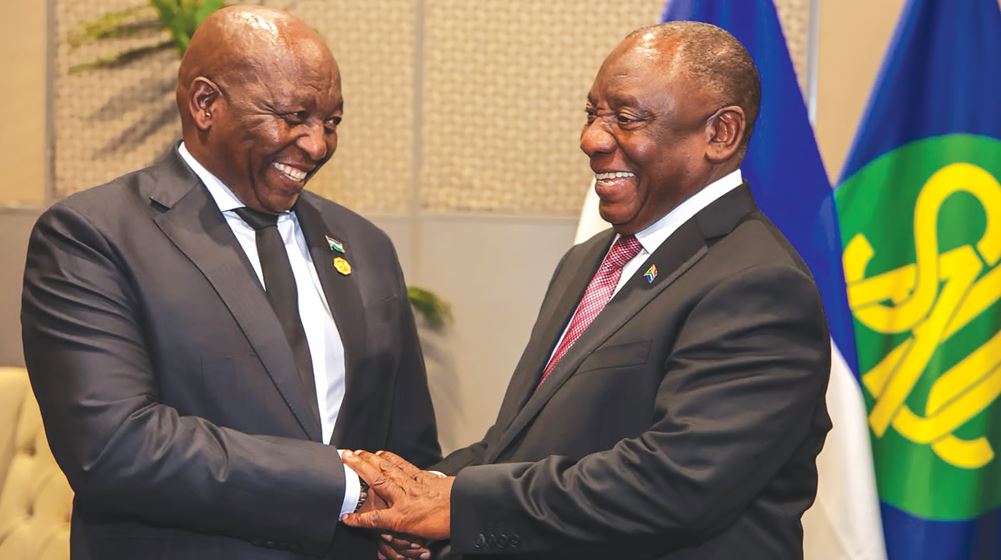
By contrast, SADC’s main leadership positions were filled in full at the same summit, with South Africa’s Cyril Ramaphosa named overall SADC Chairperson and Zambia named Incoming Chairperson.
Tau said Lesotho’s case for the position rests on the principle that SADC leadership posts should rotate among member states. Because SADC generally decides such matters by consensus rather than by vote, the absence of agreement in August effectively pushed the decision to October rather than settling it against Lesotho.
The bid has stalled, in other words, according to Tau, not failed. Lesotho still has a chance to secure it when the extraordinary summit convenes.
A history that runs deeper than one bid
Lesotho has held the Organ chairmanship before. At the SADC Summit In Dar es Salaam in August 2003, the Heads of State and Government elected Lesotho’s then Prime Minister, Pakalitha Mosisili, as the chairperson, with South Africa’s president Thabo Mbeki as Incoming Chairperson. Mosisili succeeded Mozambique’s president Joaquim Chissano.
As outgoing chair the following year, Mosisili launched the Strategic Indicative Plan for the Organ (SIPO) and reported on regional peace and stability.
In 2014, Lesotho was next in the rotation after Namibia but was passed over for South Africa due to its domestic political instability.
Lesotho also last held the rotating SADC chairpersonship from August 2006 to August 2007. It followed Botswana and was succeeded by Zambia.
In September 2017, Lesotho Defence Force (LDF) commander Lieutenant-General Khoantle Motšomotšo was assassinated by fellow officers at his barracks outside Maseru.
Angola held the Organ chair at the time, and its then foreign minister, Georges Chikoti, led SADC’s fact-finding mission into the killing. Within days, a SADC standby force drawing troops from South Africa, Angola and Mozambique had deployed into Lesotho to stabilise the country.
That history adds weight, and sensitivity, to Lesotho’s current bid. The country is now angling for a leadership role in the very regional structure that has, at several points over two decades, had to step in and manage instability inside its own borders.
Why the position matters
Whoever eventually becomes Incoming Chairperson will take over the Organ’s leadership from 2027, with responsibility for steering the region’s response to ongoing security concerns, including the conflict in the eastern Democratic Republic of Congo, the political crisis in Madagascar, the SADC Mission in the DRC (SAMIDRC), and counter-terrorism operations in Mozambique’s Cabo Delgado province.
Lesotho’s own standing with SADC
The stalled bid comes at a pointed moment for Lesotho’s relationship with the bloc. SADC removed Lesotho from the Organ’s own watch-list agenda in August 2025, closing a chapter of more than a decade during which the bloc repeatedly had to intervene in the country’s domestic political and security crises.
Lesotho’s government has described that removal as restoring its standing as an equal partner within SADC, rather than a state under regional monitoring, which is what makes the current setback sting. Barely a year after being trusted to manage its own affairs without oversight, Lesotho has yet to be trusted with a hand in managing the region’s.
Summary
- The position in question is Incoming Chairperson of the SADC’s Organ on Politics, Defence and Security Cooperation — a three-country rotating structure, often referred to simply as the SADC Troika, which gives political direction on peace and security matters across the 16-nation bloc.
- At the SADC Summit In Dar es Salaam in August 2003, the Heads of State and Government elected Lesotho’s then Prime Minister, Pakalitha Mosisili, as the chairperson, with South Africa’s president Thabo Mbeki as Incoming Chairperson.
- Whoever eventually becomes Incoming Chairperson will take over the Organ’s leadership from 2027, with responsibility for steering the region’s response to ongoing security concerns, including the conflict in the eastern Democratic Republic of Congo, the political crisis in Madagascar, the SADC Mission in the DRC (SAMIDRC), and counter-terrorism operations in Mozambique’s Cabo Delgado province.
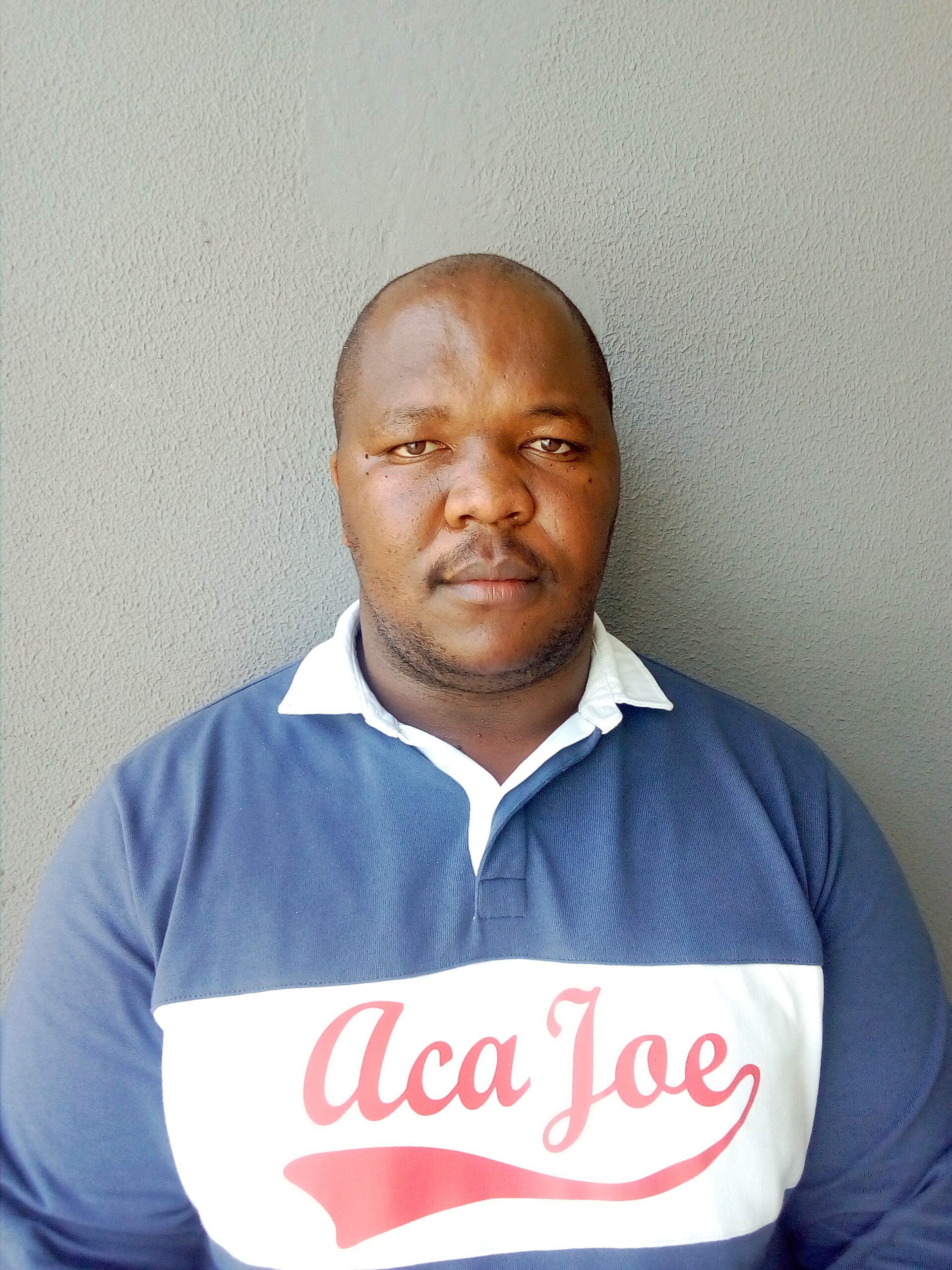
Thoboloko Ntšonyane is a dedicated journalist who has contributed to various publications. He reports on accountability, human rights, exposes corruption and wrong doing by those in power. He reports have exposed corruption, abuse of power, fraud, misconduct and negligence. He subscribes to evidence-based reporting. He reports on governance, parliament, courts, climate change, human rights, sexual and reproductive health rights (SRHR), health, business and agriculture. He gives a voice to the marginalised while also demanding accountability. His work inspires change, triggers dialogue and also promote transparency in a society.